

Search…

St Martin: a Good Choice for your Winter and Spring Holidays

Whether it’s watching jumbo jets land just a few feet overhead on Maho Beach, or having some of the best French food ever in the beach town of Grand Case, both the French and Dutch sides of St, Martin have plenty to love… CONTINUE READING >>

Saint Martin has long been one of our favorite places for a Caribbean winter getaway or spring fling. We went for the first time almost twenty years ago. It was in January to celebrate our twenty-fifth anniversary, and we have been back several times since.

One thing that the island is famous for is its split personality. We say that because this little place is governed by both France and the Netherlands, making it the smallest island in the world to be occupied by two countries. Enjoying the differences between the two sides is one of our favorite things to do on St. Martin.

The Dutch side has a more night-life and active fun vibe, while the French area is a bit more laid back and well, French. But whether it’s watching jumbo jets land just a few feet overhead on Maho Beach, or having some of the best French food we ever ate in the quiet little beach town of Grand Case, both sides have plenty to love.

Now we’re thinking that it might just be time for another visit. The last time we were there we discovered that perhaps the perfect way to explore all sides of Saint Martin is from a catamaran out on the sea. So we looked again and this time found that PyratZ has just what we were looking for, ready and waiting to sail out on an adventure.

Just to be clear though, these aren’t party boats, but you will have a blast. They are private or shared boat charters with a luxury touch. Choose a sunset cruise, a half or full day, or even a week onboard and you will be pampered with amazing activities, cool cocktails, gourmet dining, and unbelievable views of the Leeward Islands. This is all a part of their three key pillars: Gastronomy, Discovery, and Sustainability.

Let’s take a closer look:

Gastronomy

Your authentic private dining experience onboard any PyratZ charter features a menu that expertly combines French and Caribbean flavors. Savor the flavors of French Cheeses and Charcuterie, Mushrooms Velouté with fresh local mushrooms, a tantalizing Tropical Salad, and top it off with a sizzling steak or grilled local lobster. It will be a meal to remember.

Discovery

We think the very best thing to discover around Saint Martin is the incredible world just below the surface of the sea. Perfect, because all PyratZ charters have top quality snorkels, masks, and fins on board and waiting for whenever you are ready to dive in and explore the undersea world of reefs and exotic sea life.

Each boat also has paddle boards and kayaks for those of us who might want to check out what’s going on above the waves. Or we think just a relaxing drift on a noodle or a floating mat is a pretty good way to spend an afternoon in the Caribbean too. Of course, all of this is done with an eye on safety and Responsible Tourism. Your captain will instruct everyone on the ins and outs of responsible yachting and respect for marine life and the coastal eco systems and communities. Which brings us to the third pillar:

Sustainability

PyratZ was started with the direct intention of supporting sustainable tourism and strives to minimize their footprint as much as possible. This can be seen in the fuel efficient fleet, their commitment to eliminate single-use plastics onboard and collaborate with local eco-friendly and ethically sourced businesses, artisans, and suppliers. They are also involved in partnerships with organizations dedicated to marine cleanup initiatives, and in keeping safe and fair working conditions, and career opportunities for the crews and staff. We are more than happy to be onboard with all of that.

We should certainly point out that all of these fantastic features are not only available on Saint Martin. No, there are many nearby islands worth discovering. We found that anguilla yacht charters is a great place to start any of those adventures if the British Virgin Islands, or maybe Saint Barths are calling out to you.

Of course you will find the same attention to detail and exceptional service as on Saint Martin.

So ahoy matey, let’s cast off for a vacation with memories that will last a lifetime.

David & Veronica, GypsyNester.com

First Setting Eyes on Île Tintamarre

It’s not often that we find a place completely unknown to us, but Île Tintamarre is one we found hiding in plain sight. Join us as we explore the quirky history of this intriguing little land just off the Northeast coast of of Saint Martin… CONTINUE READING >> 

We have been to Saint Martin several times over the past fifteen years or so, but when we visited with Dream Yacht Charters last November we were surprised by something totally unexpected… an entire island that we had never heard of.

Hiding in plain sight, just off the Northeast coast of the French side of the main island, we discovered, or more correctly our exceptional captain Serge brought us to, the uninhabited yet indubitably captivating Île Tintamarre.

Our limited fluency in French linguistics led us to speculate on the name had something to do with the color of the sea, but we were way off. For no apparent reason the island seems to have been named for an old Acadian French word concerning making loud noise.

After going ashore, we learned that was only one of several oddities about this island.

Being so close to one of the Caribbean’s most modern islands meant that we had flawless cell service, so we could whip out our phones and Google on the go while exploring… so Google we did.

After some brief spelunking in a seaside cave on the beach where we made landfall, and an encounter with several of the island’s seemingly infinite population of hermit crabs, we made our way inland to see if we could find some traces of the stories we had found online.

The island’s history could best be described as quirky, which pairs perfectly with its topographic peculiarities. Unlike its much larger and mountainous nearby neighbor, Tintamarre is virtually flat. This feature influenced two unusual periods in the island’s past.

The first began in 1902 when Diederik Christian, a Dutch noble who owned the island, came to establish a plantation.  Although his main motivation seems to have been to escape taxation, he did manage to build an operation that included some 150 workers and had some success growing cotton and raising livestock.

We found a few ruins left behind from the farming activity, mainly a gate and stone fences, but there are still the remnants of a few buildings too.

He also might have been a little loco, because before long he established his own currency and ruled the island as a self- appointed monarch. Either imperial ruling, or perhaps the seclusion, must not have agreed with him, because by 1931 he sold the island to L. C. Fleming and returned to his estate on Saint Martin.

Guess he figured paying the taxes was worth it.

At this point France reclaimed the territory, which led to another unusual occurrence. Since the French Caribbean islands fell under control of the Vichy government during World War II, Tintamarre became a safe haven for Nazi submarines.

Seems the U-boats would rest on the shallow bottom just off shore while recharging their batteries and stocking up on fuel and provisions.

Not long after the war the second flat land inspired era began. An eccentric aviator by the name of Remy de Haenen rented the island and created an air traffic hub of sorts. He also may or may not have been involved with selling supplies to the German subs.

Once again the level ground contributed to the project by making the clearing of an airstrip an easy undertaking. After picking up some surplus military planes and a flying boat from PanAm, by 1946 Remy had his airline, Compagnie Aerienne Antillaise, up and flying.

Unfortunately, the pioneering flight service encountered three severe accidents in 1947, setting it back drastically. Then a huge hurricane in 1950 did it in once and for all.

While nearly no trace remains of the airport, we had very little trouble visualizing the runway cutting through the overgrown island bush as we walked across the Western end of the strip.

There is one last oddity that Île Tintamarre has been known for, mud baths. Somehow rumors spread that the messy muck along the southern shore had healing powers and folks began to flock to it. Adding to its fame was the fact that most chose to shed all of their clothing for the experience.

However, a few years ago the French authorities proclaimed the goop poisonous and banned the public from partaking in its dubious health benefits. While many ignore the directive, we chose to heed the warning and head back to the boat.

We felt quite confident that an evening aboard would be every bit, if not more beneficial than wallowing in the mud.

That, and dinner was waiting.

David & Veronica, GypsyNester.com

Read more about our sailing adventure across the Caribbean here:

Look out below! Holding Our Breath Beneath the BVI
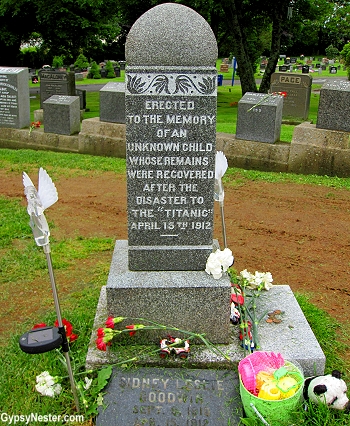
The British Isles… Virgin That Is

Catamaran Cruising the Caribbean 

A big thank you to Dream Yacht Charter for providing this adventure. As always, all opinions are our own.

Run Grunion Run

Believe me, you won’t believe this phenomenal phenomenon until you see it for yourself…
CONTINUE READING >> 

The old phrase “like a fish out of water” takes on a new meaning on the nights when the grunion run. Thousands of these little swimmers take to the land in a bizarre mating ritual that must be seen to be believed.

I had heard stories, but always thought they were tall tales. A legend local Californians told to the visitors and newcomers about the waves of fish coming ashore in the middle of the night.

It seemed that my dear wife was also in on the conspiracy. I guess as a native Southern Californian she kind of had to be.

So I was truly shocked when I ventured down to the beach around midnight and saw the truth. It really does happen. Not only that, it is happening now.

Don’t believe me? Here’s a handy guide that tells all of the nights when the grunion will be running along the beaches of Southern California through the spring and in to summer.

Check it out and you will see that there are plenty of opportunities to see this phenomenal phenomenon for yourself.

Then you will know that this is not just some fish story.

David & Veronica, GypsyNester.com

Doing Dublin in Double Time

We didn’t have a pot full o’ time to discover Dublin, we had but a day to discover her charms. 

But we made the most of this fair city – we learned how to pour a perfect pint at the Guinness Academy, stormed her castle, ate native food, made a daring escape, and took a peek at Molly Malone (where exactly was David looking?)… CONTINUE READING >>

Dublin, Ireland

We didn’t have a pot full o’ time to discover Dublin, we had but a day to discover her charms after landing at the airport and before making our way to Dingle and the Wild Atlantic Way.

So we mapped out a plan to hit the highlights in one lucky jaunt around the town.

One thing we knew for certain, we had to start our outing at the city’s top attraction, the Guinness Brewery.

The grounds of the Guinness Brewery in Dublin is so big it's like a city!

No need for the luck of the Irish when seeking Ireland’s most famous brew, a trolley and our feet did the job just fine.

The venerable old brewery at the St. James Gate has occupied the same space in Dublin since 1759, so it was not hard to find – it’s like a city on its own.

Of course it has grown over the years, but the end result remains the same, the world’s most popular stout.

The grounds of the Guinness Brewery in Dublin is so big it's like a city!

Our mission was to learn all about it at the Guinness Storehouse, the seven story former fermentation plant that serves as part brewery tour, part museum, and best of all, part pub.

We began in the tour area, learning about the methods and ingredients that go into creating the celebrated dark ale.

As with all beers water, hops, and yeast are required, but the most important factor is the specially roasted barley that gives the potion its distinctive color.

The water exhibit inside Guinness Storehouse in Dublin
The water exhibit is as bright as the exterior of the buildings are stark.

Exhibit in the Guinness Storehouse of Dublin, Ireland

We continued with the story of the founder, Arthur Guinness, and the nine-thousand year lease he signed on the brewery property.

His fame as a brewer led to his nickname throughout Dublin – Uncle Arthur.

Upstairs we found exhibits featuring the advertising behind the brand.

Many of the eclectic, iconic Guinness posters and signs are on display; including the toucan and the famous slogans Guinness is Good for You, Guinness for Strength, Lovely Day for a Guinness, and Guinness Makes You Strong.

Train exhibit at the Guinness Brewery in Dublin, Ireland
David the Train nut found himself a Guinness train!
Wait. What? It’s the same Guinness?
Arthur Guinness founder of the Guinness Brewery in Dublin, Ireland
“Uncle” Arthur Guinness

The first Guinness Book of World Records was released in August 1954 after the company’s managing director, Sir Hugh Beaver, got in an argument over the fastest game bird in Europe.

That gave him the idea to compile a comprehensive list of the world’s fastest, longest, strongest and best.

The resulting book became an incredibly popular resource for satisfying bar bets around the globe, as well as a unique marketing tool for beer.

Pouring the Perfect Pint

On the fourth floor we got schooled at the Guinness Academy’s Perfect Pint Bar.

The Perfect Pint Bar at Guinness Academy were we got school in the art of pouring a flawless glass of Guinness
Our classroom!

The Perfect Pint Bar at Guinness Academy were we got school in the art of pouring a flawless glass of Guinness

Maybe it should be considered an art institute, since the art of pouring flawless glass of Guinness takes a master’s touch.

After our instruction, we were certified by the Academy to step in if we encounter a bartending emergency or an incapacitated barkeep at some point in the future.

We stand ready to pour should the need arise.


What a View!

Gravity Bar at the Guinness Storehouse Brewery in Dublin, Ireland

We did much more pub crawling… check it out!

St. Patrick's Tower in Dublin, Ireland
St. Patrick’s Tower was built in 1805 to grind grain, St. Patrick can be seen on top holding a cross.

With plenty of well-trained backup bartenders available in the Perfect Pint, we felt safe leaving the pub patrons behind and making our way up to the seventh floor Gravity Bar to enjoy our pints while taking in panoramic views of Dublin.

When seen from the outside, the windows form the head on a giant pint of Guinness, but from inside they capped off a bubbly visit.

We hated to leave, but with so much more to see we needed to step it up.

Panoramic view of Dublin from Guinness Storehouse's Gravity Bar.

Stormin’ the City

Saint Patrick's Cathedral in Dublin, Ireland

Foregoing the trams and busses for our return trip, we decided to walk back through town and take in the sights along the way.

First on our list, the one and only Saint Patrick’s Cathedral, dedicated to the patron saint of the Emerald Isle.

This is THE church in Ireland, so here there be no debate as to whether the tales and legends about St. Paddy are accurate or not.

Oddly, it does not serve as the cathedral for the diocese of Dublin, the nearby Christ Church Cathedral holds that honor.

While that name may not be as famous, this church dates back nearly a thousand years and remains one of the city’s main medieval landmarks.

Christ Church Cathedral in Dublin, Ireland
Christ Church Cathedral
A Daring (and Disgusting) Escape

Continuing on toward the old city center, we came to another of those landmarks, Dublin Castle. The fortification was built as part of the defensive wall around the old Norman city. Centuries later, it became a royal residence and more ornate touches were added, such as Bedford Tower.

Trinity College in Dublin, Ireland
Bedford Tower
The Record Tower is the last intact medieval tower in Dublin, Ireland
The Record Tower is the only intact medieval tower in Dublin has a famous toilet chute!

Little remains from the original ramparts, but we did spot the only surviving turret from the castle’s early days, the Record Tower, across the courtyard.

We found an interesting plaque on tower, which served as Ireland’s maximum security prison, explaining the castle’s only successful escape.

After Hugh O’Donnell led a rebellion against the occupying English government back in 1593, he and two companions, Art and Henry O’Neill, were tossed in the tower.

The trio managed to make a getaway by climbing out of a toilet into the River Poddle. One might say they proceeded down the privy to the Poddle.

Pub Grub

Corned beef at O'Neill in Dublin, Ireland

If we were going to get everything in before dark we needed to get a move on, but first a pit stop for a late lunch.

Just off the campus we found a perfect spot for a little pub grub, O’Neill’s. (Perhaps an ancestor of the escapees?)

Any Irish pub worth its salt also serves hearty fare so we ordered lamb stew and a slab of corned beef. Oh, and of course, a couple o’ pints.

Picking our poison was no easy task since there were 45 different brews on tap.

Lamb stew at O'Neill in Dublin, Ireland

We did much more pub crawling… check it out!

Filled and quenched we were ready to make our way back to our accommodations at the Morrison Hotel. The route took us right through Dublin’s premier shopping district. Grafton Street, named for Henry FitzRoy, 1st Duke of Grafton, has become the epicenter of upscale stores and tourism for the town.

The Tart with the Cart

For a while it was also home to one of the most famous citizens, Molly Malone.

The statue of Molly Malone in Dublin, Ireland
David SAYS he was looking at what Molly had in her baskets, but it sure doesn’t look like it!

The Irish love a song, or a tale, and Molly fills both bills by starring as a fishmonger by day and a street walker by night in the ballad bearing her name.

This has led to her nickname among Dubliners, The Tart with the Cart.

It is quite possible that Molly’s reputation has been unduly sullied, since the lyrics of the song make no mention of her nocturnal activities.

Whatever her moral character, the fictional figure was captured in bronze and unveiled on Grafton Street by Lord Mayor Ben Briscoe in 1988. On our visit we found her pushing a wagon full of cockles on Suffolk Street, where she is residing temporarily due to construction.

Bridging the Gap

Temple Bar in Dublin, Ireland

We tore ourselves away from Molly’s statuesque statue and headed toward the River Liffey.

When we reached the south bank we found ourselves smack in the middle of Temple Bar.

While this is definitely the place for pubs and nightlife, it is not named for that kind of bar.

The name refers to a strip of reclaimed land along the riverside, sort of like a sand bar, that was settled by the Temple family.

The Ha'penny Bridge over the River Liffey in Dublin, Ireland
Why not use the famous Ha’penny Bridge?

Our last landmark of the day was one that proved quite functional, since we had to get across the River Liffey one way or another.

Two hundred years ago ferries were the only way to cross, but then the Wellington Bridge was built in honor of the Duke of Wellington.

In order to keep the ferry operators from being driven out of business, a tariff of half a penny was charged to use the span.

The Ha'penny Bridge over the River Liffey in Dublin, Ireland

Later the name was officially changed to the Liffey Bridge, but by that time everybody called it the Ha’penny Bridge, because of the toll.

Of course, as time went by many more bridges were built to carry vehicles from one side of the river to the other, leaving the good old cast iron Ha’penny to serve only pedestrian traffic.

Crossing the bridge completed our day, and in doing so we also crossed off almost all of Dublin’s don’t miss sights. There was still one little place, or perhaps we should say people left to see, leprechauns, and Irish luck was with us, because we would take care of that top o’ the next morning at the National Leprechaun Museum.

That would make us lucky – and charmed.

David & Veronica, GypsyNester.com

Where we stayed: The uber-sleek and in-the-thick-of-it-all Morrison Hotel!The Morrison Hotel in Dublin, Ireland

See all of our adventures in Ireland!

A big thank you to Ireland.com for providing this lucky adventure. As always, all opinions are our own.

YOUR TURN: Where would be your first stop in Dublin? What did we miss that we should see the next time we go?

12 Questions to Ask Before You Hire a Caregiver in San Diego

Hiring caregivers can be life-changing, but it should not be a leap of faith. The best way to protect your loved one and your peace of mind is to ask the questions that reveal what happens after the first impression… CONTINUE READING >>

If you are reading this, you have probably had that quiet “oh no” moment. Your parent calls, and you brace yourself. Maybe it was a fall. Maybe it was a missed medication. Or maybe it is the growing realization that you cannot be everywhere at once.

This is where many adult kids end up. What starts as helping a little quickly becomes a second job. At that point, the real question is not whether your parent needs support. It is whether you can find the right support, someone safe, steady, and respectful in the home.

Hiring caregivers in San Diego can be life-changing, but it should not be a leap of faith. The best way to protect your loved one and your peace of mind is to ask the questions that reveal what happens after the first impression.

Below are 12 questions to ask before you hire, whether you are working with 24 Hour Caregivers or considering independent help.

1) Are you an employee of an agency, or an independent caregiver?

This is not about judging anyone’s path. It is about clarity and accountability.

If you hire independently, you may be responsible for payroll setup, taxes, coverage gaps, and what happens if someone cancels last minute. With an agency, you are typically getting a system, including oversight, scheduling support, and backup coverage if there is an emergency.

For example, 24 Hour Caregivers staffs care with in-house W-2 caregivers rather than independent contractors, which helps families avoid surprises around liability and consistency.

2) What background checks do you run, and what do they include?

Do not settle for “We do background checks.” Ask what that actually means.

You want specifics, such as identity verification, criminal screenings, and reference checks. If the answer is vague, rushed, or defensive, treat that as information.

3) How do you screen caregivers before they are ever placed with a client?

This is different from background checks. Screening is about judgment, professionalism, and temperament.

Ask what they look for beyond experience. How do they evaluate communication style? What does a caregiver do if a client refuses a shower? How do they respond to confusion, frustration, or anxiety? A caregiver can be technically capable and still be the wrong fit for your home.

4) What training do caregivers receive, especially for common senior-care challenges?

Training matters because real life does not come with a script. If you are interviewing an agency, ask how training is updated and reinforced over time. If you are interviewing independently, ask what they have done recently to keep skills sharp.

5) Who supervises the caregiver, and how is quality monitored?

This question separates “someone who shows up” from “a care plan that is being managed.”

Ask who checks in on performance, how concerns are handled, and what happens if you want to adjust the plan. A strong provider will not take it personally when you ask about supervision. They will welcome it.

6) What services will you provide in our home, and what will you not do?

This prevents misunderstandings that can become stressful later.

A caregiver can be a wonderful support for daily living, including meals, bathing assistance, mobility help, companionship, and keeping the home safe. Some tasks cross into medical care and require different credentials. A professional should be able to draw clear boundaries without making you feel silly for asking.

7) How do you handle medication support?

This one matters because medication errors can be serious.

Ask exactly what “medication help” means. Many families need reminders, routine support, and help coordinating refills or pickups. More complex situations may require a higher level of oversight and coordination through appropriate channels.

24 Hour Caregivers distinguishes support like medication reminders as part of daily care routines and includes more structured medication support within their home health and chronic condition care approach.

8) What experience do you have with my parent’s specific situation?

This is where you get practical.

Instead of asking, “Have you worked with dementia?” ask, “Have you supported someone who wakes up confused at night?” Ask what they would do if your parent refuses to eat. Ask how they handle transfers from bed to walker. The goal is to hear how they think, not just what they have done.

9) What does a typical shift look like in a home like ours?

A great caregiver does not just sit in the home. They create rhythm and stability.

Ask what a normal day includes. Will they support morning hygiene and dressing, meals and hydration, safe mobility, light housekeeping tied to safety, and companionship that actually engages your parent?

If your parent has appointments around San Diego, also ask how transportation, timing, and handoffs are handled.

10) How do you match caregivers to clients?

Ask what they consider when matching a caregiver to your parent. The best providers look beyond availability and focus on fit, including personality, communication style, language preferences, and comfort with personal care. They should also consider experience with mobility challenges or memory changes. When the match is right, care feels more natural, routines go smoother, and your loved one is more likely to accept support without tension.

11) What happens if the caregiver is sick, late, or cannot make it?

Care does not pause when someone gets the flu.

This is one of the biggest differences between agency care and informal arrangements. Families often choose agencies because they can provide coverage and adjust schedules without leaving you scrambling.

For around-the-clock needs, reliability becomes even more critical. Many “24-hour care” setups are staffed in rotating shifts, often two 12-hour shifts or three 8-hour shifts, so coverage stays alert and consistent.

12) How do you communicate with the family, and how often?

If you are coordinating care from across town or across the country, communication is everything.

Ask whether you will get updates after each shift, whether they keep notes or a care log, how incidents are reported, and how quickly you will be notified if something changes. A professional caregiver should understand that family communication is part of the job, not an annoyance.

A Few Red Flags Worth Paying Attention To

You do not need to interrogate anyone, but you do want to notice patterns.

      • They get irritated by basic safety questions
      • They are vague about background checks, training, or boundaries
      • There is no plan for coverage if they cancel
      • They overpromise what they can do medically
      • They talk more about “needing work” than caring for the person in front of them

Where 24 Hour Caregivers Fits in for San Diego Families

If you are comparing options in San Diego and want more than a name on a calendar, 24 Hour Caregivers is built for families who need dependable, professional care at home. Their caregivers support daily living needs like personal care, meal preparation, mobility assistance, companionship, and safety-focused routines, so your loved one can stay safe and comfortable at home in San Diego.

When care needs increase after a hospitalization, during dementia progression, or when nights become unsafe, having a coordinated team and a clear plan helps San Diego families reduce stress and prevent gaps in care.

Talk to 24 Hour Caregivers About Care Options in San Diego

If you are feeling overwhelmed, start with one conversation and use these 12 questions as your checklist.

Reach out to 24 Hour Caregivers to talk through what level of in-home care in San Diego fits your parent’s needs, whether that is a few hours a week, overnight supervision, or true 24-hour coverage. Your parent deserves care that protects their dignity. You deserve support you can count on.

Finding Cheap Family Vacations that Don’t Feel Cheap

Even though our kids have flown the nest, we still remember how important affordable family vacations can be for making lasting memories, enjoying each other’s company, learning new things, and just plain relaxing and recharging… CONTINUE READING >>

You probably know the old saying about how the only thing certain is death and taxes, well we think that there is one more thing in life that is certain, traveling costs money. But just how much we spend is most definitely not certain.

There are so many possibilities, from the very low budget to the lap of luxury, and everywhere in between. However, when traveling with a family those high-end luxury excursions are almost never a viable option, but if you look around you can find a bargain on fantastic and affordable family vacations.

That said, we do understand that even the lower cost trips can be pretty pricey these days, so we got to thinking, and while running back through our old memory banks we came up with some of our favorite places that can still be enjoyed at a reasonable price. And even though we don’t travel as a family much anymore, we still remember how to look for family vacations on a budget.

Driving to Save Dollars

A big part of how much it costs to go somewhere depends on how you want to get there. The lowest cost is almost always going by car and staying at family friendly budget hotels and motels. These usually have swimming pools, and in our experience both kids and adults love a pool. So that’s a good start.

We highly recommend that you choose a destination fairly close to home for this type of vacation, that way the trip doesn’t become all about the driving. This is sometimes called a stay-cation, or as we like to call it, Gypsynesting in your own backyard, but we do feel like expanding the area is also acceptable.

So if you live in the Midwest, maybe the Wisconsin Dells, or a nearby theme park like Six Flags would be a good idea. Or further out west, several National Parks such as Grand Canyon, Yosemite, or Yellowstone are wonderful choices. They are all bucket list items that we are thrilled to have ticked off our list. Down south, a beach getaway is never too far away along the Gulf Coast or in Florida.

We have had a couple amazing visits to Washington, D.C. too. And our kids, who were teens at the time, had a great time as well. One good idea for saving some money on these types of trips is to stay outside the main part of town because hotel rates can be half or even less of the downtown prices. That goes for the restaurant prices too.

And you can save even more on any adventure like this by camping. There are obviously campgrounds at and around the National Parks, but guess what? There are private campgrounds almost everywhere, including near any city you might want to see. Whether in a tent, a trailer, or a big, fancy motorhome, this is always cheaper than staying in a hotel, and camp cooked meals are an added bonus.

Traveling by car is still one of our favorite ways to get around because we really like the freedom to go wherever and whenever we want. It’s great because if we see something interesting or fun along the way we can just pull off the road and make a quick itinerary change.

Let’s Fly Away

When traveling farther from home, flying becomes more attractive and can actually save some money. When you add up the cost of fuel, wear and tear on the vehicle, hotel rooms, and meals for all of the extra time driving takes, then at some point flying becomes the better bargain. Plus, sometimes it is simply impractical or impossible to drive.

For example, once our kids were a little older they were into history and ancient ruins, so we looked at the Riviera Maya on the Yucatan Peninsula and found it to be just about the prefect destination for a big family trip. Cancun, Mexico makes for a great base camp for enjoying the turquoise waters and white sand beaches it is famous for, and also offers much more as a destination for both relaxation and adventure.

But there was no way we were going to drive there, so we figuring out how to keep it affordable even though we had to fly. In fact, we found we didn’t even need a car once we got there. We saved a bunch by staying in the town of Cancun instead of at the beachfront resorts, and by using our feet, Uber, or cabs to get around town, then taking busses for our longer excursions.

The Mayan ruins at Tulum and Chichen Itzá are both an easy escape for a day trip or longer. And we discovered an incredible experience near Playa del Carmen at an underground river called Rio Secreto. This is way more than just a cave, it is truly a river below the surface. We floated downstream for quite a distance and got to “see” the darkest dark ever. Absolutely no light whatsoever. It made us feel like we were floating in space.

We totally understand how flying has become more and more stressful and expensive, but if you are able to be a little bit flexible on your travel dates, you can still find some good deals and maybe even avoid some of the crowds by traveling on weekdays and in the lower seasons. It is always worth it to avoid the big holiday weekends and busiest times of year. Your budget will thank you.

Making an Affordable Family Vacation Even More Affordable

As we just mentioned, when you choose to travel can make a huge difference in how much it costs. But we have come across a few other ways to stretch our travel dollars. Perhaps the best one is free stuff. That’s right, there is a whole bunch of free stuff out there just waiting to be scooped up by savvy travelers.

Many cities have free guided tours available, just check online when you arrive. We have used these in several places and found them to be really great. They are usually led by volunteers who are local and quite knowledgeable about their hometown. The tours can be a clever way to not only learn about a new city, but to get some real inside information on the best restaurants, attractions, and local events. Bonus point, the guides usually know where the best deals are too.

There are also tons of free hiking and biking trails just about everywhere we’ve been. Our favorites are the rail trails, where old train tracks have been converted into bike paths. The best thing about them is that trains can’t go up steep hills so the trails are fairly level and easy. We have found amazing trails that are easy to ride even in very hilly areas, but we really like the ones that follow along a river or the beach.

Now, even though our kids have flown the nest, we still remember how important affordable family vacations can be for making lasting memories, enjoying each other’s company, learning new things, and just plain relaxing and recharging.

So let’s get going…

David & Veronica, GypsyNester.com

Sir, Yes Sur! Driving the California Coast


The images look unbelievable, but they are real and they are spectacular. This is Big Sur. Waves crashing against the craggy coast, mist drifting up mountains that rise abruptly from the sea, and bridges impossibly clinging to cliffs made for a perfect day trip ending with elephant seals… CONTINUE READING >> 

We drove the coast highway through Big Sur a few years ago and it is truly spectacular! So, let’s take a look back at one of the world’s most beautiful drives.

Waves crashing against the craggy coast, mist drifting up mountains that rise abruptly from the sea, bridges impossibly clinging to cliffs — we’d seen the iconic photos of the California shore along the Pacific Coast Highway.

The images look unbelievable, but they are real and they are spectacular.

This is Big Sur.

The name Big Sur dates back to the Spanish explorers who dubbed this area El Sur Grande” meaning The Big South.

Sounds a little like a college football conference but really, this land IS big, sir.

This region has no official borders but is loosely considered the column of coast flanked by mountaintops and ocean that meanders between Carmel and San Simeon.

Running about ninety miles, it seems custom-made for a great day’s drive. Easy, even when including stops for sightseeing and sustenance.

For most of the trip we were within sight of the ocean and often looking straight down on it.

It can make a body queasy.

The Pacific Coast Highway, California State Highway 1, is a remarkable piece of road, and  it is a good idea to keep your vehicle in top condition.

Thirty-three bridges connect one wickedly winding section of cliff-clinging roadway to the next.

It’s slow going and imperative to keep the old eyeballs glued to the blacktop — hard to do considering the magnificent vista viewing opportunities.

More than once Veronica gave me a gentle reminder that certain death may be impending if I didn’t focus…

OK, some not so gentle, depending on how many wheels were hanging over the edge of the cliff.

Construction of the road through Big Sur was completed in 1937 after eighteen years of work. Prior to that this was one of America’s most inaccessible areas — even now only about a thousand people live in the region.

The surprising lack of development is due not only to the difficult terrain, but also the incessant efforts of the inhabitants fighting to preserve this pristine place.

Monterey County has banned billboards along Highway 1 and has adopted some of the strictest land use policies in America — disallowing any new construction within view of the highway.

Believe me, the unobstructed view makes a huge difference.

These policies have kept Big Sur remarkably rustic.

There are no high-rise hotels, no fast food franchises, no supermarkets — or even towns to speak of — and only three gas stations along the way.

Most of the few lodging and dining options available are in Big Sur River Valley, where the road leaves the coast and enters a redwood forest for a bit.

When we stopped for a bite and a break we discovered that Big Sur is partially inhabited by a species I hadn’t encountered since my days in the Colorado Rockies back in the seventies.

Back woods, off the grid — part Grizzly Adams, part hippy, completely fascinating. Very friendly, very groovy and unafraid to train a wolf or half-wolf as a pet. Back in the day we called them mountain goats, not sure what they’re called in these parts, perhaps “Big Sirs.”

Whatever they go by, it was wonderful to make the reacquaintance.

About halfway down is Julia Pfeiffer Burns State Park.

We parked next to McWay Creek and took the short hike to McWay Cove where the creek drops eighty feet over the edge into the ocean as McWay Falls.

We quickly learned why the trail to the falls was called Overlook Trail — the untouched little cove is wisely protected from large, clumsy tourist feet and we had to be satisfied with looking down upon it.

Nevertheless, this is a must-see spot along the McWay.

As we wound our way south, the scenery became slightly less spectacular and more and more surfer-dude-in-search-of-the-gnarly-wave.

Little did we know, we were in for a BIG surprise.

We rounded a corner and out of the blue were saw hundreds — if not thousands — of ginormous elephant seals lazily lounging in the afternoon sun.

Piles upon piles of blubbered bodies basking on the beach by Piedras Blancas.

We slammed on the brakes and wheeled off the highway into the parking area for a closer look.

The elephant seal had all but disappeared by the early 1900s due to excessive hunting.

Then, all of the sudden, in November of 1990 about twenty of the giants unexpectedly showed up in this small cove.

We’re ba-ack!

The population dramatically grew and by 1996 this beach became the birthing place, or rookery, for over a thousand new pups.

Through the efforts of The Friends of the Seals Central Coast, parking and viewing areas were constructed for the safety of both the seals and the spectators.

Members of The Friends man the viewing area to answer questions and make sure that nobody does anything profoundly stupid like go in for a close up look at a five thousand pound bull.

Different seasons bring different activities for the seals.

In the winter the females birth the pups, wean them and prepare themselves for breeding.

Meanwhile, the males stake out territory for their harems, defending or invading with extraordinary jousting battles.

It’s quite a spectacle, with a dose of gross.

Proboscises and slobber fly as the giant bulls bash their calloused necks against each other in an effort to drive away their rivals.

These bad boys really know how to throw their weight around. The winner gets the babes, the loser tries another foe or gives up and has to watch the procreation from afar.

Pretty strong motivation to win.

When springtime arrives, the adults skedaddle and the pups are left to fend for themselves.

No boomerang pups in elephant seal land. The pups seem quite adept at learning to swim on their own when the time comes to go off into the big wide world.

Watch: A one day-old baby seal hangs with his mommy, while the big boys fight for territory!

Over the summer, everybody returns to molt before heading back out to sea to stuff their faces and make more blubber.

The fall brings the juveniles, too young to breed, in for a rest before they have to clear the beach for the next round of birthing, battling and baby-making.

We were lucky enough on our visit to see the first pup of the season — just a few hours old.

Veronica’s mommy instinct kicked into high gear and proclaimed him “tiny and cute.” I suppose he was tiny compared to his blubbery beach mates, but he already weighed in at about seventy pounds.

Cute, I’ll give him — all babies are cute. It’s a survival mechanism, this way you love them even when they keep you up all night.

Have to say, it works like a charm.

As daylight waned, we completed our journey through Big Sur by making our way to Morro Bay, the nearest town of any size, in search of a place to sleep for the night.

The city is dominated by a 581-foot ginormous volcanic plug perched out in the bay… ladies and gentlemen, let’s hear it for the Gibraltar of the Pacific… Morro Rock!

Named and charted by the Portuguese explorer Juan Rodriguez Cabrillo in 1542, stories vary on whether he meant morro, a crown shaped rock or moro, a Moor’s head when he dubbed the protrusion.

Noggin or knob, it still made a bodacious backdrop for the sunset of an exhilarating day through Big Sur.

David & Veronica, GypsyNester.com

See all of our adventures in California!