If you are reading this, you have probably had that quiet “oh no” moment. Your parent calls, and you brace yourself. Maybe it was a fall. Maybe it was a missed medication. Or maybe it is the growing realization that you cannot be everywhere at once.
This is where many adult kids end up. What starts as helping a little quickly becomes a second job. At that point, the real question is not whether your parent needs support. It is whether you can find the right support, someone safe, steady, and respectful in the home.
Hiring caregivers in San Diego can be life-changing, but it should not be a leap of faith. The best way to protect your loved one and your peace of mind is to ask the questions that reveal what happens after the first impression.
Below are 12 questions to ask before you hire, whether you are working with 24 Hour Caregivers or considering independent help.
1) Are you an employee of an agency, or an independent caregiver?
This is not about judging anyone’s path. It is about clarity and accountability.
If you hire independently, you may be responsible for payroll setup, taxes, coverage gaps, and what happens if someone cancels last minute. With an agency, you are typically getting a system, including oversight, scheduling support, and backup coverage if there is an emergency.
For example, 24 Hour Caregivers staffs care with in-house W-2 caregivers rather than independent contractors, which helps families avoid surprises around liability and consistency.
2) What background checks do you run, and what do they include?
Do not settle for “We do background checks.” Ask what that actually means.
You want specifics, such as identity verification, criminal screenings, and reference checks. If the answer is vague, rushed, or defensive, treat that as information.
3) How do you screen caregivers before they are ever placed with a client?
This is different from background checks. Screening is about judgment, professionalism, and temperament.
Ask what they look for beyond experience. How do they evaluate communication style? What does a caregiver do if a client refuses a shower? How do they respond to confusion, frustration, or anxiety? A caregiver can be technically capable and still be the wrong fit for your home.
4) What training do caregivers receive, especially for common senior-care challenges?
Training matters because real life does not come with a script. If you are interviewing an agency, ask how training is updated and reinforced over time. If you are interviewing independently, ask what they have done recently to keep skills sharp.
5) Who supervises the caregiver, and how is quality monitored?
This question separates “someone who shows up” from “a care plan that is being managed.”
Ask who checks in on performance, how concerns are handled, and what happens if you want to adjust the plan. A strong provider will not take it personally when you ask about supervision. They will welcome it.
6) What services will you provide in our home, and what will you not do?
This prevents misunderstandings that can become stressful later.
A caregiver can be a wonderful support for daily living, including meals, bathing assistance, mobility help, companionship, and keeping the home safe. Some tasks cross into medical care and require different credentials. A professional should be able to draw clear boundaries without making you feel silly for asking.
7) How do you handle medication support?
This one matters because medication errors can be serious.
Ask exactly what “medication help” means. Many families need reminders, routine support, and help coordinating refills or pickups. More complex situations may require a higher level of oversight and coordination through appropriate channels.
24 Hour Caregivers distinguishes support like medication reminders as part of daily care routines and includes more structured medication support within their home health and chronic condition care approach.
8) What experience do you have with my parent’s specific situation?
This is where you get practical.
Instead of asking, “Have you worked with dementia?” ask, “Have you supported someone who wakes up confused at night?” Ask what they would do if your parent refuses to eat. Ask how they handle transfers from bed to walker. The goal is to hear how they think, not just what they have done.
9) What does a typical shift look like in a home like ours?
A great caregiver does not just sit in the home. They create rhythm and stability.
Ask what a normal day includes. Will they support morning hygiene and dressing, meals and hydration, safe mobility, light housekeeping tied to safety, and companionship that actually engages your parent?
If your parent has appointments around San Diego, also ask how transportation, timing, and handoffs are handled.
10) How do you match caregivers to clients?
Ask what they consider when matching a caregiver to your parent. The best providers look beyond availability and focus on fit, including personality, communication style, language preferences, and comfort with personal care. They should also consider experience with mobility challenges or memory changes. When the match is right, care feels more natural, routines go smoother, and your loved one is more likely to accept support without tension.
11) What happens if the caregiver is sick, late, or cannot make it?
Care does not pause when someone gets the flu.
This is one of the biggest differences between agency care and informal arrangements. Families often choose agencies because they can provide coverage and adjust schedules without leaving you scrambling.
For around-the-clock needs, reliability becomes even more critical. Many “24-hour care” setups are staffed in rotating shifts, often two 12-hour shifts or three 8-hour shifts, so coverage stays alert and consistent.
12) How do you communicate with the family, and how often?
If you are coordinating care from across town or across the country, communication is everything.
Ask whether you will get updates after each shift, whether they keep notes or a care log, how incidents are reported, and how quickly you will be notified if something changes. A professional caregiver should understand that family communication is part of the job, not an annoyance.
A Few Red Flags Worth Paying Attention To
You do not need to interrogate anyone, but you do want to notice patterns.
-
-
- They get irritated by basic safety questions
- They are vague about background checks, training, or boundaries
- There is no plan for coverage if they cancel
- They overpromise what they can do medically
- They talk more about “needing work” than caring for the person in front of them
Where 24 Hour Caregivers Fits in for San Diego Families
If you are comparing options in San Diego and want more than a name on a calendar, 24 Hour Caregivers is built for families who need dependable, professional care at home. Their caregivers support daily living needs like personal care, meal preparation, mobility assistance, companionship, and safety-focused routines, so your loved one can stay safe and comfortable at home in San Diego.
When care needs increase after a hospitalization, during dementia progression, or when nights become unsafe, having a coordinated team and a clear plan helps San Diego families reduce stress and prevent gaps in care.
Talk to 24 Hour Caregivers About Care Options in San Diego
If you are feeling overwhelmed, start with one conversation and use these 12 questions as your checklist.
Reach out to 24 Hour Caregivers to talk through what level of in-home care in San Diego fits your parent’s needs, whether that is a few hours a week, overnight supervision, or true 24-hour coverage. Your parent deserves care that protects their dignity. You deserve support you can count on.
























 The ground floor still has dried fish hanging from the rafters, but we have no doubt that the aroma is nothing more than a hint of the reeking olfactory assault that took place back in the heyday of Bryggen.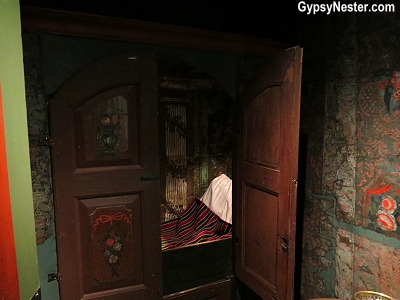

















 Google on the go while exploring… so Google we did.
 We found a few ruins left behind from the farming activity, mainly a gate and stone fences, but there are still the remnants of a few buildings too.
 At this point
 While nearly no trace remains of the airport, we had very little trouble visualizing the runway cutting through the overgrown island bush as we walked across the Western end of the strip.










 was released in August 1954 after the company’s managing director, Sir Hugh Beaver, got in an argument over the fastest game bird in Europe.