
Search…

Seeking the Seeds of Civilization on Crete

Beginning nearly five thousand years ago a society formed on Crete and over time became a precursor in art, architecture, and language to what we now know as Hellenistic culture.
Minoan civilization was based here and without them, along with the Mycenaean Greeks on the mainland, Greece would certainly be a very different place…
CONTINUE READING >> 

Thanks to Road Scholar for providing this lifelong learning adventure through the Greek Isles! As always, all opinions are our own.

Even though it wasn’t the first stop on our Great Global Get-Together cruise through the Greek Isles, we begin our stories about the voyage on the island of Crete because ancient Greece might not have even existed without it.

No, that’s not an exaggeration, the Minoan civilization was based here and without them, along with the Mycenaean Greeks on the mainland, Greece would certainly be a very different place.

Beginning nearly five thousand years ago a society formed on Crete and over time became a precursor in art, architecture, and language to what we now know as Hellenistic culture.

We began our exploration at the ruins of the palace of Knossos, and discovered just how influential Crete really was. As Europe’s oldest city and the mythological home of Minos, the first King of Crete and son of Zeus and Europa, this was instrumental in giving the entire continent its name.

At one time it is thought that up to one hundred thousand people lived here, which would have made Knossos one of the world’s great cities.

Our first stop was the throne room, where kings of this vast city-state sat to rule. At least that was the original theory. Now scholars believe that this may have been strictly ceremonial and meant as a tribute to a mythological goddess.

Another character from mythology was most certainly believed to live here because the Labyrinth at the palace was the legendary home of the Minotaur, a half man half bull. The monster was born to Pasiphaë, Minos’s wife, after Poseidon made her fall in love with a bull.

An actual labyrinth has never been found, leading some historians to speculate that the myth might have been simply a story to explain the horrifying noises coming from underground due to the many earthquakes in the region.

We won’t weigh in on that debate, but do lean toward the idea that no man with a bull’s head was running around here a few thousand years ago. We did find several non-mythological wonders at the palace though.

Such as, the entire complex had a water and sewer system that would rival similar designs elsewhere in the world that didn’t become common until thousands of years later.

Also the builders created structures with several floors, at least up to four, with ventilation airways built in, which was certainly unique for the time.

The art was equally impressive, with colorful columns on almost every building, huge frescoes adorning many walls, and highly decorated pottery giving a glimpse into their ancient lifestyle.

Although, depending on who you ask, many feel that the English archaeologist Sir Arthur Evans who excavated and restored much of the complex may have taken a few too many liberties with his restorations of the colors and artwork.

The site was discovered in 1878 by Minos Kalokairinos, but it was Evans who did most of the work beginning in 1900 and continuing for 35 years. Some archeologists think his recreations went off track into the realm of unfounded speculations.

For a more academic view of the history, and a much better look at some of the artifacts, we made the Herakleion Archaeological Museum our next stop.

Widely considered to be one of the most significant museums in all of Europe, it holds relics from Cretan prehistory and history, covering a span of over five thousand years.

Much of the art includes various forms of sea life, which obviously was an important part of Minoan life. Frescoes, pottery, jewelry, and statues all feature octopus, dolphins, fish, and shells as decoration.

Many more featured bulls, which certainly seemed less logical. Perhaps some of the reason goes back to the Minotaur, but for whatever reason bulls were very important to the Minoans and maybe even worshiped.

One theme we saw repeatedly was bull leaping. Yup, men would take a running leap over a charging bull as part of a ceremony. Was this a part of their religion? Maybe, but no matter the reason for the crazy feat, the scene is immortalized in both sculptures and pictures.

Much of the art was ceramic, some functional such as pots of all sizes from tiny to giant, but a great deal was also simply decorative, such as figures and statues.

One of the more interesting displays had numerous larnakes, or clay coffins. Since these are only about three feet long, we first thought that the Minoans must have been very small. It turns out that the remains were either cremated or bent to fit into the terracotta chests.

Perhaps the most significant piece in the museum is also one of the smallest, the Phaistos Disc. Discovered in palace of Phaistos, about twenty miles south of Knossos, this circular clay tablet is about six inches across and covered with symbols and characters thought to be from an alphabet or logograms.

The 45 distinct signs appear 241 times in what might be some sort of story, but researchers have so far been unable to decipher the meaning. What is known is that this is one of the earliest examples of type setting ever as the symbols were pressed into the clay before firing.

Another thing we knew was that after all of this investigating, we were ready to eat.

A trip to Arolithos Village, a near perfect replica of a traditional Cretan village would solve that, and provide us with some fun. Our entire group was treated to an old fashioned Greek meal, but before the food was served we worked up even more of an appetite with some music and dancing.

If ever there was the proper time to exclaim “Opa!” this was it.

David & Veronica, GypsyNester.com

See all of our previous adventures in Greece!

Thanks to Road Scholar for providing this lifelong learning adventure through the Greek Isles! As always, all opinions are our own.

The Seven Essentials for Every Day Hike

Hiking is fun and comes with a lot of health benefits. However, you have to be careful when choosing a hiking trail and the equipment that you will take with you…
CONTINUE READING >> 

Going for your first hike anytime soon? Hiking is fun and comes with a lot of health benefits. However, you have to be careful when choosing a hiking trail and the equipment that you will take with you. This is more important when you are going with kids or family. Following are some of the most important stuff that you will need.

Hiking bag/Rucksack

You will need a backpack to hold all the essentials that you’re carrying throughout the hike. The backpack shouldn’t be too big or too small. The right size will depend on the duration of hiking trip and the stuff you need to carry. Keep that in mind when buying the bag.

Footwear and Clothing

Going for a hike definitely means trekking on uneven Terrains. Hiking trails are rough and at times, dangerous too. Using proper hiking boots is crucial in keeping your feet safe from injury. Hiking shoes have a hard sole which protects the feet. Right clothing is equally important. Nature is harsh at times and a nice sunny day can turn into a rain storm or heavy winds. Know the weather and take precautions.

Nutrition and Hydration

At times, hiking trip will turn out to be longer than expected. Having abundant food and water has to be a top priority. It does not matter how small the hike is, you can never expect the unexpected. Food should be healthy and heavy in calories to keep your energy levels up. MRE (Meal Ready to Eat), canned food could be an ideal choice, Always keep extra reserves for food and water.

Safety Equipment and Emergency

Safety is the first priority so be sure to include a first aid kit with a tourniquet and quikclot gauze. The terrain can be quite rocky. In some instances you will need nylon rope(s), Carabiners and other climbing equipment. Carry pocket-size tools such as Swiss army knife or survival bracelets as well.

Hygiene and Health

You will not have access to proper washrooms or necessities in some cases. But you need to take care of proper hygiene. Carry medication and items like soaps or sanitization.

Navigation Equipment

A map and a compass with the knowledge to understand navigation is vital. It will help you stay on track. Always carry a standard compass. The military-grade compass is better than those smart phone compasses, because then you will be at the mercy of the battery.

For hiking topographic map of the targeted hiking destination is great. The map will help understand your nearby surroundings.

GPS device are also great. They can help keep you updated with your location. They can also guide you using a digital map with coordinates. GPS devices are waterproof and rugged. Carry spare batteries and conserve battery when not needed.

Altimeter watch is another great item that can tell you the altitude of your latest location (height above sea level). It shows you the hiking progress as you proceed with the hike.

Repair Hardware, Tools and Important Extras

A knife (with multi-tools) is one of the most important tools that you can carry. It is a huge problem-solver with all the utilities. Swiss army knife is quite commonly used. Carrying stronger knives like Kbar can be handy too. Equally valuable is a bushcraft knife, known for its versatility and essential role in tasks such as survival preparedness, first aid, food preparation, and navigation. Its lightweight, multi-purpose design not only ensures safety and convenience but also enhances the connection with nature and aids in skill development.

Your hike could last longer than expected. Always carry a light source even if you are planning to come back before night. Flashlight, Headlamps (for keeping your hands free) can be ideal. You will also need to carry extra batteries just in case.

Carrying a small, portable and waterproof shelter can help you provide some shelter for a while if circumstances change.

Although you can find dry wood, you might want to carry tools such as a magnesium fire starter. These tools make it easy for you to set fire to stay warm, dry your clothes or even cook something.

You might need sunglasses or a hat if you are starting your hike early morning.  It will aid you during the afternoon when the sun is hottest.

Other extra but useful items can be the binoculars, radios for communication, camera, extra batteries, food, and water reserves.

We are happy to present this collaborative post to offer valuable information to our readers.
Best Weekend Getaways from Delhi

The national capital of India is situated in a perfect location where you have plenty of weekend getaway options under 300 km away. This makes it ideal to simply rent a car or take your own and get away…
CONTINUE READING >> 

The national capital of the country is situated in a perfect location where you have plenty of weekend getaway options under 300 km away. This makes it ideal to simply rent a car or take your own and get away for the weekend. The distance is perfect for bike trips from Delhi as well. Did you just rent a house in Delhi and are new in town? Here are a few options for your first getaway from the busy city.

Manesar: Distance of 57 km

The industrial town of Manesar is perfect for a small bike trip from Delhi. It offers a relaxed and rustic experience of greenery and panoramic views. Heritage Transport Museum, Sultanpur National Park, and Aravali Hills are popular tourist attractions. The town has numerous resorts and spas, making it perfect for a mini vacation from the busy city life of Delhi.

Damdama Lake: Distance of 63 km

Another great option for a bike trip is the Damdama Lake that offers a 360-view of the Aravali Hills. It is ideal for boating, camping, and picnics. So, if you’re looking for a little nature’s retreat, Damdama Lake is a great option for you. It is also known for bird watching with close to 200 species of birds flying around including the kingfisher, fowls, and cranes.

Agra: Distance of 230 km

Agra is known as the City of Love and houses one of the most famous tourist attractions of India – the Taj Mahal. It is also one of the oldest cities in the country. It sees tourists from across the world as it also served as the capital of the former Mughal Empire. Don’t forget to visit the Agra Fort while you’re there. You can also extend your trip to Fatehpur Sikri.

Rishikesh: Distance of 240 km

Rishikesh is one of the most popular tourist destinations in North India. You will find a number of yoga ashrams here, including the Beatles Ashram, made by one of the most iconic bands in the world, The Beatles.

Situated in the foothills of Himalayas, you will see many temples here. It has also gone on to become a hub for adventure sports such as river rafting. You can also go bungee jumping and trekking here.

Dehradun: Distance of 254 km

Dehradun is often called one of the best weekend getaways from Delhi because of the vivid landscapes you find here. It is situated between the foothills of the Himalayas and the Doon Valley. It is also considered a romantic getaway due to its pleasant weather conditions. You will find streams, rivers, mountains, valleys, and more. You can also partake in adventure sports such as paragliding and skiing here. While here, you could consider visiting the Clock Tower and Malsi Deer Park.

Other popular getaways from Delhi include Haridwar (distance of 220 km), Nainital (distance of 300 km), and Shimla (distance of 342 km). So, pack your bags, get on your bike or in your car, and off you go for a wonderful mini-vacation!

We are happy to present this collaborative post to offer valuable information to our readers.

6 Tips To Abide By When Travelling To India For The First Time

Diverse, Beautiful, Exotic, Culturally Rich, Overwhelming, Crowded, Bamboozling. India is all of these combined and a lot more. Help make your trip smooth and comfortable by enhancing your knowledge a bit about the country…
CONTINUE READING >> 

So, you finally took the plunge to travel to India! (Yayy!)

Diverse, Beautiful, Exotic, Culturally Rich, Overwhelming, Crowded, Bamboozling… The country is all of these combined and a lot more.

Are you thrilled already? Great!

We just thought we’d help make your trip smooth and comfortable by enhancing your knowledge a bit about the country and its happenings.

Let’s get started already.

1. Prefer taxis over autos

Okay, here’s the first tip.

In India, always prefer taxis over autos whenever possible.

Here comes the harsh truth… Because most auto drivers there shall easily con you into paying more than the ideal cost of the trip.

Go for taxis as they usually have a fixed rate and are far more comfortable. Plus, you’ll be saved from the dust and pollution of the city you’re in!

P.S. There are Uber taxis available in a few parts of the country, usually the metropolitans. Do some research about this and the prices too before you head there and you’ll be good to go.

2. Loose clothing for the summer months and nothing else

We mean it.

The temperature in most parts of the country, especially North India and South India, reaches at least 45 degrees Celcius. And, not to forget the humidity too. It’s literally insane!

So, make sure you carry comfortable cotton clothing and nothing else. Avoid any other fabrics, especially polyester. It’s your enemy in the scorching heat!

However, if you are travelling to either Uttarakhand or Himachal Pradesh, you can expect pleasant weather. Do carry a warm piece of clothing along as it gets chilly during the nighttime there.

P.S. DO NOT forget the sunscreen. It is imperative if you want to prevent any unnecessary tans.

3. Maintain distance from animals and never feed them

Well, there are two main animals that you’ll come across roaming freely in the streets, and these are cows and dogs.

If you’re tempted to click a picture or two of it, please go ahead. But, refrain from being those obnoxious tourists who get too close to the animals and disturb them in any way.

This is especially true in the case of cows in India. Please bear in mind that they are harmless and are considered to be holy so, no unpleasant behaviour against them shall be tolerated.

On the other hand, you need to maintain distance from the dogs too, because not all of them are friendly. So, skip the idea of feeding them anything in case it crosses your mind.

4. Carry basic toiletries

When in India, it’s always for your own best to have basic toiletries like paper soap, toilet paper, and hand sanitizer in handy. The public toilets in some places are treacherous so keep yourself safe.

Prevention is better than cure, right?

5. Dressing modestly is the key

With modestly, we mean to wear clothes that cover your shoulders and legs. Because the people in India are conservative and expect women to dress inappropriately. This is mainly considered to be offensive on religious places like temples and gurudwaras.

However, when in your hotel room, you may dress as you please.

6. Rent accommodation

Did you know the practice of renting a property for vacation is widely common across various parts of the world? Especially, if we look at Europe, there is an extensive range of beautiful villas and apartments for holiday in countries like Spain, the island of Ibiza (known for its amazing nightlife scene), Portugal, Italy to name a few.

The good news: It is popular in India too. You can get your hands on some premium, well-maintained, luxurious villas (if budget’s not an issue for you) both in the mountainous and coastal regions.

So, book a sought-after accommodation a month or two prior to visiting India especially if you are travelling in the peak season. Chances are, they might already be booked!

These are some of the most important things to be taken care of when visiting this culturally rich land. Follow them, and you’ll be assured of one of the most memorable experiences. Happy travelling!

We are happy to present this collaborative post to offer valuable information to our readers.

5 Ways to Stay Safe in a New City

When you visit a new city – even if you’re a seasoned traveller, you’re still vulnerable and it may take a day or two before you get your bearings and have a good level of confidence.The last thing anyone wants is to have their trip cut short due to an injury or an accident… CONTINUE READING >> 

When you get to enjoy the privilege of travelling, it’s pretty easy to get swept up in the wonderment of it all, to quickly fall in love with new destinations and the people who live there. Sure, there’s nothing wrong with that, after all it’s one of the reasons we love travelling so much. But staying safe whilst you’re travelling should always be your number one priority. When you visit a new city – even if you’re a seasoned traveller, you’re still vulnerable and it may take a day or two before you get your bearings and have a good level of confidence.

The last thing anyone wants is to have their trip cut short due to an injury, an accident or a slip and fall – you can find a long island personal injury attorney by clicking this link. So, what is there to know about personal safety in a new destination? Read on for 5 ways to stay safe in a new city.

Do a little research

It might seem like you’re sucking the fun out of travel and missing out on exploring and discovering these things for yourself, but you can still conduct a little research into your new destination and still enjoy a level of spontaneity. The kind of research you need to do isn’t really something you want to find out by accident, so check out things like, popular scams in the area or the tricks that pickpockets are infamous for. Find out if there are any areas not recommended for tourists and if going out at night is recommended.

Stick to public places

You’re being beckoned down an alleyway by someone asking for help or promising you cheap tickets to an attraction – be smart and only stick to public places. It’s a sad fact there are some people who will try to take advantage of your limited knowledge of the area, even if they seem wonderfully friendly. Stay where you can be seen.

Trust your gut

Simply put, if something doesn’t feel right, walk away. Similarly, if something seems too good to be true, it probably is! If you’re in a situation and you feel uncomfortable then leave at the earliest opportunity, be mindful of the body language of others and trust your instincts – they’re usually right.

Be mindful of your bag at all times

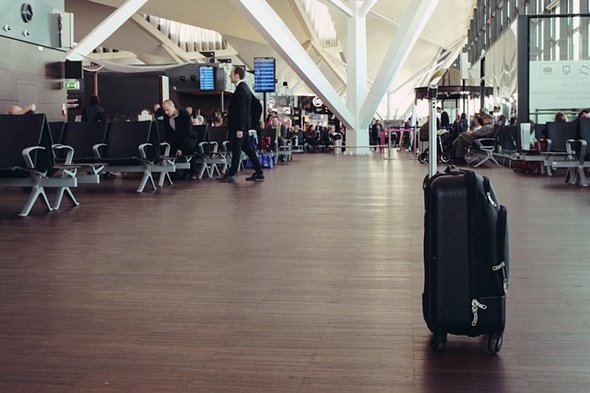
Sometimes travelling with bags is inevitable, especially if you’ve just landed or you’re heading back to the airport. If you’re on public transport always ensure your bag is on your knee or strapped to your front. Not on the seat next to you or on the floor. Consider investing in a theft-proof bag to take with you on your travels.

Dress like a local

The last thing you want is to draw unwanted attention to yourself and this is where dressing like a local can come in handy. If you’re visiting an area that is particularly conservative or expects a certain dress code, then it’s imperative that you follow it, despite your own opinions. Again, conduct a little research into how you’re expected to dress and that includes walking around day-to-day, entering temples or visiting certain areas.

We are happy to present this collaborative post to offer valuable information to our readers.

Five Tips for Living in the USA

No matter where you originally hail from there are probably quite a few differences between your home country and the USA. Everything from language to food, work schedules, and even how you greet someone is probably different. While this can cause some anxiety, it’s also one of the most exciting parts of moving to a new country… CONTINUE READING >> 

No matter where you originally hail from, there are probably quite a few substantial differences in culture between your home country and the USA. For most new residents in the US, these differences can be a major shock to the system.

Everything from language to food, work schedules, and even how you greet someone is probably different than what you grew up with. While this can cause some serious anxiety for new immigrants, it’s also one of the most exciting parts of moving to a new country.

Information about living in the USA isn’t hard to come by, but a lot of the time it doesn’t account for those minute cultural differences. Below are five of the very best tips to maximize your time in the USA, adjust to the local culture, and start acting like a native.

1.    Each State is Different

One of the most common misconceptions about the US is that it’s the same everywhere (when in reality this couldn’t be any further from the truth). New York is not the same as Massachusetts, and California is certainly not the same as Alaska.

There are so many regional differences in culture, language, food, etc., which may come as a surprise to some. Not only do cultures differ between states, but landscapes are also dramatically different. The American Southwest, for example, is drastically different than the Northeast (i.e. New England). Likewise, Montana is virtually a different country when compared to somewhere like Florida, or New Jersey.

Where you choose to live in the US will play a large role in how easy you find the assimilation process. Larger cities are more diverse, and contain a lot more immigrants than in rural areas. However, there are also a lot of immigrants throughout the entire country.

Before you choose a specific city or region to move to, it’s recommended to do some in-depth research about that area’s culture, tastes, weather, etc. to see if it’s a good fit (or not). One thing that you can’t fault the US for is its incredible amount of diversity.

2.    Tipping Culture is Real

Unlike a lot of the world, tipping is expected in nearly all restaurants in the US. Not only is it expected in restaurants, but it’s also expected with certain services as well. For example, if you’re staying at a hotel, and the bellman helps you take your luggage to your room, they would expect a tip for that.

Anywhere from 15% to 20% is a normal (and expected) tip amount. Anything below that, and you might not get the best service in the future. When dining at a restaurant, it’s considered incredibly rude to not leave a tip (borderline asinine, actually).

3.    Work-Life Balance

Europeans are known for taking month long vacations (sometimes even longer), and having a relatively balanced work-life relationship. Americans, on the other hand, are known for being incredibly work-centric (more so than most other countries in the world). There is definitely a culture here that appreciates (and rewards) hard work. That’s what the American dream is about after all, right? Work hard, and your dreams will come true.

The point that we want to make here though, is that most employers are only required to give you a certain amount of time off per year. Actually, America is one of the only countries in the entire world where employers aren’t legally obligated to give their employees any paid time off.

Keep this in mind when selecting jobs to apply to (and subsequently work at). Some employers treat their employees better than others, and choosing the right employer can make all the difference in your quality of life.

4.    You Need to Pay for Healthcare

One of the most overlooked aspects of living in America is its healthcare system. Unlike a lot of countries in the world, America has a private healthcare system. This means that unless your employer provides you with a healthcare plan (which many do), you will be required to pay for your own insurance.

This means paying a monthly premium, as well as a certain percentage of any medical care costs (with the remainder being covered by insurance). The one advantage of this system, is that America is known for having some of the very best hospitals and medical research facilities in the world.

5.    Learn to Appreciate Differences

There are undoubtedly massive cultural differences across all of the various regions, states, and cities in America. It’s important that you learn to appreciate them for their differences, and perhaps explore them.

Understanding American culture won’t take a few months, rather it will take a few years until you really start to understand the US way of life.

We are happy to present this collaborative post to offer valuable information to our readers.

How to Prepare for a Long Flight

Whether you’re heading off on a business trip or a vacation, long haul flights can be exhausting. Well here are a few useful tips on how to best prepare yourself…
CONTINUE READING >> 

Whether you’re heading off on a business trip or a vacation, long haul flights can be exhausting. While there are tons of benefits that are linked with traveling, many people dread the journey of getting from A to B. If you’re a nervous flyer or you want to make sure you’re well rested before, during, and after your flight, here are a few useful tips on how to best prepare yourself for a long-haul flight.

Get a Good Night’s Sleep

If a long-haul flight awaits you, it’s important that you’re well rested and in the right frame of mind before stepping onto the plane. For those who struggle to drift off on board, make sure that you give yourself plenty of time beforehand to get some much-needed sleep. If you struggle with getting to sleep, you can find memory foam mattresses on Amazon that are known to promote better sleep. Once you pull up at the airport, knowing you’ve had a good sleep the night before can help you feel more relaxed on the plane.

Plan in Advance

If you aren’t the most organized of people, it’s likely that you will leave things until the last minute. When it comes to preparing for a long-haul flight, it’s important that you make a plan well in advance to ensure everything runs smoothly; the last thing you want is to rock up to the airport with minutes to spare! To reduce stress levels and ensure you’re fully prepared for your journey, creating a detailed plan of when your flight is, what time you need to be at the airport, as well as what to pack for your trip can make all the difference.

Choose Your Airline Wisely

Being up in the air for a long time can take its toll on your health and wellbeing, so it’s crucial that you pick an airline that has your best interests at heart. No matter where you’re flying to, you will want to make sure that the food, entertainment, and seating is suited to your needs. Whether you’re flying economy, business, or first class, we all expect a good level of service, so for the picky eaters, it’s best to conduct some research into the meal offerings that the airlines provide.

Travel in Comfort

Getting from A to B can be exhausting if you aren’t dressed in the correct attire. No matter where you’re off to in the world, it’s always best to choose comfortable clothes when flying. Long-haul flights can feel 10 times as long if you’re wearing clothing that itches or tugs at your skin, therefore, finding an outfit that provides you with maximum comfort is important. You also need to factor in footwear to help protect your feet when on your travels.

Keeping Yourself Entertained

There are many hours to kill on a long-haul flight. If you’re the type of person that gets bored easily, your traveling experience may get off to a bad start. To help speed up time, you may want to bring a few books that you can read. While there may be films and podcasts that you can watch and listen to that are already provided by the airline, bringing your own games and sources of entertainment will mean you have something to focus on that you enjoy. Long-haul flights can feel like they’re never ending, so equipping yourself with plenty of entertainment resources can help ensure you arrive at your destination in the best mood possible.

If you don’t take long-haul flights frequently, everything about the experience can be daunting and intimidating. Whether it’s the long hours, sketchy choice of seats, or the types of food and entertainment available, doing your research and making use of all the tips featured can help prepare you for your journey ahead.

We are happy to present this collaborative post to offer valuable information to our readers.