

Search…

HOW TO SURVIVE BEING LOST IN THE FOREST

If you conceive that yourself is lost in the forest, you have to stay cool and do your best to reconsider your steps and find your route to go out. If you want to survive in the forest, you will require shelter, fire, flood, and water.
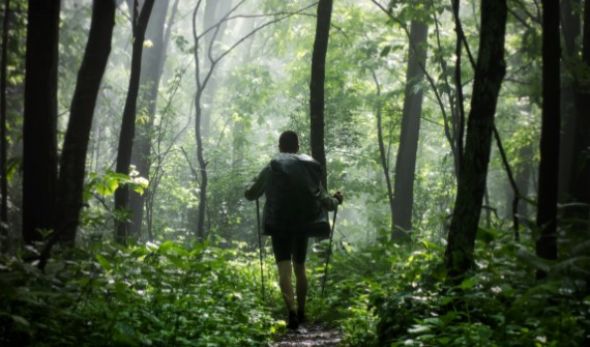
The forest will give you some essential materials that you need to make a makeshift tent and start a fire, which will hold you warm and protect you. Your body will only be capable of surviving without drinking water for some days, but you can get some with the proper care and concentration.

You can also search for food to eat to hold yourself going. There are various methods through which you can survive yourself if you are lost in the forest.

However, the forest is a beautiful environment, which is why different people go camping every year. It is good to be prepared and know the forest’s critical survival skills before you go camping.

The way, if you get lost, you will know exactly what to do. Here we will give you some survival tips on this article, mainly used for informational purposes only. This article will provide you with some information about how you can survive if you are lost in the forest. Here are some ways:

    1. Stop and Think.
    2. Retrace Your Steps.
    3. Leave Marks as You Go
    4. Try to bring Attention by Calling Out Loud
    5. Make your shelter visible.
    6. Find a Water Source.
    7. Forage for Food

Stop and Think

The critical step is to stop and think it means to stay calm. Do the Boy Scouts mnemonic device of “STOP,” which stands for “Stop, Think, Examine, and Plan.”

You have just invented that you are lost in the forest. You are not sure whether or not rescue will be arriving. Here we represent time in the work that is a list of what you should be doing.

    • Retrace your steps.
    • Find a source of drinking water
    • Create a fire
    • Find or build a shelter before nightfall
    • Fashion is a weapon you can use for self-defence
    • Obtain a source of food
    • Travel in one direction during daylight

Retrace Your Steps

The next thing that is done to survive is to retrace your steps. To stay in the woods, the first thing to do is see if it is possible to reconsider your steps to the current known way.

Don’t take tension, chances to get out of forests are higher, one tone your mind is clear. In the absence of a map or a compass, you should use orienting techniques if you are aware of them.

Do not rush into the depth of the forest. You have to Think twice before you select the direction to follow.

Leave Marks as You Go

If you need to search the way out and not get lost in the forest’s unknown terrain, usually marking the trajectory as you walk can assist you in surviving.

Leave some apparent items on your way so that you could quickly go back without the requirement to use a compass and when your phone’s battery is relatively low. We will suppose that you could not backtrack for the rest of these instructions, information and that you are officially lost.

Try to Bring Attention by Calling Out Loud

There probably are a group of tourists that are walking nearby without you knowing about it. You Call out loud to get others’ attention toward you.

Make yourself heard at a considerable distance. Repeat it in various locations. Call out something such as ‘Do you hear me?’ or ‘Hello! Help me!’ etc.

Repeat it at different times.

If you have anything that can make a sound, use it and combine it with calling out loud to double the effect and raise your chances for wilderness survival.

Make Your Shelter Visible

Try to Do your best to draw attention to your location by laying out any bright products that you have, preferably over tree branches, so they are high. Hold a fire burning, which makes your shelter visible at night. However, To make your fire visible during the day, throw fresh grass or leaves on it to make it more. Smoky.

Find a Water Source

However, you brought a lot of water and food on this forest adventure, but if not, or if your supplies are decreasing, it is essential to search for food and water.

If you can make a fire and have a container, then boil water from a stream, river, or puddle for at least three minutes before drinking.

But, if you cannot start a fire, begin gathering rainwater or drinking the dew off of leaves. Drinking right from a river without purification should be reserved for emergencies only, as it probably makes you extremely sick.

Forage for Food

If you are worried about running out of food, begin searching for foods from your environment, such as acorns, walnuts, pine needles, wild onion, and garlic.

So, If you are not entirely sure that the food is edible, don’t eat it. It is frequently wise to avoid berries and mushrooms since there are many look-alikes of edible and poisonous varieties.

If you cannot exist on plant focus, you can bake insects or little game over the fire. Hunt by throwing a fine stick at the animal to stun it before killing it, if you have a rifle you can use it to hunt animals, or try spear-fishing with a post. To hunt by rifle your aim should be solid, and for this you can use weaver kaspa 3-9×40 Above all, when it comes to searching for food, it is greater to be hungry than weak. Avoid eating anything unsafe for as long as possible.

Conclusion:

The best tip you can get for surviving in a forest is, be prepared and take your survival kit with you. You can never know when and where you will get lost, but it probably will save your life if you follow simple rules before going on a trip to the forest.

You must Take the things that probably come in handy if you get off track and get lost, such as a first aid kit, matches, anything sharp to serve as a weapon or a device, water disinfection tablets.

Take a rain-coat if your thing rains and something to hold warm if there is snow in the forecast. Cold can produce muscle cramps and interfere in your pursuit to search the way out effectively. In this article above, we discuss all of the essential steps you can take to survive when lost in the forest.


Five Tips for Breastfeeding

Breastfeeding is different for each mother and child, but there are some universal tips that can help you improve your experience while making sure that your infant bonds with you while they’re nurtured… CONTINUE READING >> 

Breastfeeding is different for each mother and child, but there are some universal tips that can help you improve your experience while making sure that your infant bonds with you while they’re nurtured. The process can be uncomfortable, painful even, but there are ways to mitigate this while ensuring that your child gets the milk they need. Read below for five tips to make breastfeeding more enjoyable, efficient, and pleasant.

Breastfeed or Pump Frequently

Not only does breastfeeding frequently form the earliest bond between mother and child, it alleviates pain that can be caused from the milk that builds up. If you don’t have the time later or simply want to prepare for your baby’s next feeding, you can also pump milk and feed them with a bottle. While it is important to cultivate this relationship by breastfeeding frequently, you don’t have to do it every time. Pumping occasionally can provide a nice balance.

Use Lactation Bars

On the other hand, if you have the opposite problem and need to produce more milk, you should try lactation bars. These bars provide the nutrients necessary to increase the amount of lactation. These superfoods boost the amount of milk that is produced in the breasts and will even increase the quantities of specific nutrients that your baby receives from nursing. Bars aren’t the only product, there are also gummies and other nutritional supplements from Lovemajka.com to increase milk production and quality

Avoid Teats & Dummies

You and your baby are both learning to nurse, so you should avoid teats and dummies because they can confuse your baby. If they are given a teat or dummy, they will breastfeed less. This is especially true if your child is getting fluids other than breast milk. Your milk supply will decrease. Your baby should be able to nurse without being restricted, which will ensure that your baby is satisfied and that your milk supply meets their needs.

Only Give them Breast Milk for Six Months

Infants don’t need anything else beyond breast milk for about six months. In fact, you should keep them on a strict breast milk diet so that they create a nutritional foundation with it. You’ll be confident that your baby is receiving enough breast milk in the early weeks. Furthermore, if your baby is having at least one bowel movement per day and settles after they nurse, these are both good signs.

Make Sure the Baby Latches

To avoid any unnecessary pain from nursing too long, you should make sure that your baby latches on to your breast. The breasts are still soft for a while after birth, breast milk changes and the breasts get harder. It is important for your baby to learn how to attach themselves to your breast. If they aren’t latched on properly it will take longer for them to feed, which may cause some unnecessary pain. Not only will ensuring a good latch alleviate discomfort, it will fill your breasts with milk on a consistent basis.

The above tips will help you breastfeed more effectively and pleasantly. Not only should you nurse frequently, you can use lactation bars, avoid teats, make sure your baby latches, and only feed them breast milk for the first six months of their life. While breastfeeding varies for every mother and child, it is quite important to keep up nursing for the health and bonding of the relationship.

However you feel about breastfeeding, it is an integral and necessary part of the growth of your baby. It can be uncomfortable and time-consuming, but when you make the effort to nurse your child and produce the most high-quality milk possible you will be able to start your baby’s life off on the right foot.

Nursing frequently will alleviate the uncomfortable feeling that occurs when the breasts are full and there are nutritional bars and snacks when the mother needs to produce more milk for the child. When your baby feeds on breast milk, they will have a better chance of being healthy and starting a good life bonded with their mother. When your baby receives the care and nourishment that comes with breastfeeding, you will be able to provide the best life for them that you can.

We are happy to present this collaborative post to offer valuable information to our readers.

Balancing Self-Care And Motherhood

The best thing you can do is figure out how to incorporate self-care practices into your everyday life. Hopefully, the tips provided above give you a good headstart… CONTINUE READING >> 

“Care for yourself,” they say. “You can be an effective parent if you don’t prioritize your health and wellness,” they proclaim. Sure, these things may be accurate, but any woman that’s also a mother knows this is no easy feat. Whether you’re single or in a committed relationship, raising one child or multiple children, your needs never come first. You’re so busy trying to ensure that your kids get everything they need and want that there’s very little time or energy for self-love.

Of course, you maintain proper hygiene, tend to your skin and beauty routines, wear appropriate fashions, eat (when you can), and get sleep (far less than you need). Doing the bare minimum ensures that you look presentable in public (and maintain your sanity). Although you know it’s not enough, trying to fit health, wellness, and self-care practices into your day while juggling the responsibilities of motherhood feels like a mission impossible.

Consequences Of “Family First” Mentality

The idea of sacrificing yourself and your needs for the sake of your family seems noble. They mean so much to you that you’d go to any lengths to ensure they live happy, healthy, and fulfilling lives. Though nice in theory, the “family first” mentality comes with side effects. When you ignore your health, wellness, and happiness, it causes a decline in your life. You subject yourself to the risk of medical conditions and mental illness. You also lose your ability to be there for your loved ones.

Ultimately, prioritizing self-care is a must. If you’re having difficulty balancing your needs with your role as a mother, these tips should make things easier for you.

Get Up Earlier

Feeling like you don’t have enough time in the day to practice self-care? Perhaps it’s time you start getting up earlier in the morning. Waking up at least an hour or two before your kids gives you uninterrupted time to focus on yourself. You exercise, can take a shower, complete your skincare and beauty routines, get dressed, and have a well-balanced breakfast, and then wake the kids.

Quick And Healthy Meals

It’s not uncommon for moms to skip meals, eat scraps from the kid’s plates, or opt for takeout when it comes to eating. Unfortunately, continuing this habit causes you to miss out on nutrition your mind and body need to function correctly. While you may not have time to make nutritious gourmet meals seven days a week, there are some pretty good alternatives out there. You can find quick and easy recipes online to prep meals in under an hour that are good for you and your family. Lots of women swear by meal delivery kits for quick, diverse, and delicious meals.

Natural Wellness Products

There are several products on the market designed to enhance the well-being of women. These natural aids can help with everything from mental clarity and focus to low blood sugar and pain relief. There’s nothing wrong with trying a few of these products, like white label african mango capsules, if they’re going to help you look and feel your best.

Take CBN isolate, for instance. It’s a cannabidiol derived from the hemp plant. This chemical compound has been proven to help relieve pain, soothe stress and anxiety symptoms, and improve sleep. There are also products like herbal teas, supplements, and vitamins you can consider.

Another is probiotic supplements for women. Probiotic supplements help balance vaginal pH, improve digestion, and promote urinary tract health. Women encounter health issues that are unique to them. That is why women should take note of their specific needs and take special care of their bodies to live a long healthy life.

Create A Sleep Schedule

Sleeplessness is a problem that most moms complain about. Whether you’re tending to the needs of your newborn or up all hours of the night trying to finish other obligations, sleep evades you. As adequate sleep is essential for your health and wellness, creating a schedule and routine is recommended. Set a time you’ll go to bed. Before hitting the hay, wind down with a soothing shower and curl up with a good book. It gets your body in a routine that assists with getting better sleep.

As a mother, putting the needs of your children first seems to be the natural thing to do. Be that as it may, this practice can have significant consequences for you and your family. The best thing you can do is figure out how to incorporate self-care practices into your everyday life. Hopefully, the tips provided above give you a good headstart. For more guides on caring for your children visit LifeasMama.

We are happy to present this collaborative post to offer valuable information to our readers.

Not Ready to Take the Plunge? Small Steps Toward Gypsy Nesting

The toughest part of being a gypsy nester is actually making the decision to become one. For some, it’s too big a jump to make all at once. So they take a different path to the gypsy lifestyle—one that slopes gradually and doesn’t involve making quite so scary a leap…
CONTINUE READING >> 

By Susan Doktor

Many gypsy nesters relate a common experience: the toughest part of being a gypsy nester is actually making the decision to become one.

And that’s not surprising. No matter how much we may love to travel, most of us have always had someplace to come home to. Often, our very identities are tied up in our homes. We’ve spent umpteen hours planting the gardens that reward us each spring. Years building our dream kitchens. We’ve traveled miles and miles, collecting objects that reflect our spirits and experiences. We’re neighbors who sit on the boards of neighborhood associations and lend a hand to other neighbors. And we wonder, how exactly do we give all that up?

Well, countless gypsy nesters do and live happily ever after. But for others, it’s too big a jump to make all at once. So they take a different path to the gypsy lifestyle—one that slopes gradually and doesn’t involve making quite so scary a leap. Many make downsizing—trading a big, empty nest for a small one they visit periodically—part of their gypsy lifestyle plan. If you’re hesitant to commit completely to nomadic living, that’s a strategy that might work for you, too.

Downsizing: Everybody’s Doing It

For most people, the very phrase downsizing calls to mind empty nesters and people of retirement age. That’s not an unreasonable association. According to Forbes, baby boomers aged 65 to 73 made up the largest portion of home sellers in 2020. A study by Homes.com found that 23% of homeowners downsize once their children grow up and move on. For many gypsy nesters, their homes represent their largest financial asset—one they use to fund the years of travel they have ahead of them.
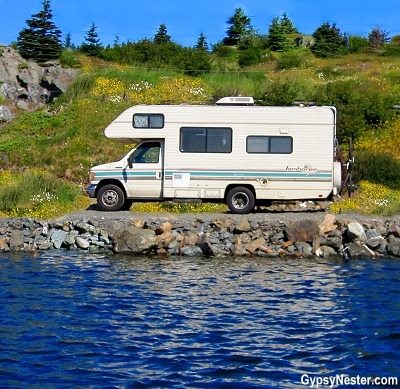
But other real estate industry statistics reveal that downsizing cuts across generations. That’s because the most common reason for downsizing is to save money—something people of all ages need to do at various times of their lives. And the decision works for most people who make it. Rent, utility, insurance, and tax savings are some of the benefits of downsizing. Over the past several decades, real estate prices have climbed steadily. In 2020 alone, they jumped 11%. Depending on how long you’ve owned your home, the amount of equity you’ve established might surprise you. Even if you take some of the profit you reaped by selling your home to buy another, your downsizing decision could go a long way toward paying your expenses as you travel the globe.

If you decide to downsize soon, you have another real estate market dynamic working in your favor. During the COVID-19 crisis, mortgage interest rates have plummeted, reaching record lows in the mid-2020s. They’re still below rates we’ve seen for a decade and economists predict that they’re likely to stay that way. That means the money you make from the sale of your large home will go farther when you make mortgage payments on your new, your smaller one. Shop around for the lowest mortgage rate you can find and crunch the numbers carefully to see how much you’ll stand to gain when you downsize.

You Have Options

Downsizing comes in many shapes and sizes. For some people, it can even look like upsizing. Swapping an expensive condo in the city for a rural ranch home with acreage is one way to downsize. And so might be trading a sprawling suburban home for a pied-à-terre in town that’s walking distance from restaurants and entertainment. Simply moving to a less expensive real estate market is another way to downsize. You can buy a six-bedroom home in Toledo, Ohio for less than half of what it would cost to buy a one-bedroom condo in Westchester County, New York. There are as many solutions to downsizing as there are empty nesters who want to pare down.

How Far Can Downsizing Take You?

We all choose our own ways to travel, of course. Some of us opt for top-notch accommodations and must try every Michelin-rated restaurant we come across. Others travel frugally—staying at hostels or cooking by a campfire. Travel experts estimate that the cost of traveling the world for an entire year typically runs between $15,000 and $25,000. Let’s say that after you downsize (in whatever way you choose), you walk away with $100,000 in your pocket. Depending on the travel choices you make, you could indulge your wanderlust for almost seven years. If you decide, like more and more people are doing nowadays, to live the life of a working, digital nomad, that travel budget will take you even further. And you’d still have somewhere to come home to.

How Far Can You Downsize?

That depends, in part, on how many of your possessions you’re willing to part with. As we’ve discussed, many gypsy nesters find letting go of their “stuff” one of the hardest parts of launching their new lifestyle. But if you’re willing to whittle it down to just the most practical plus a few precious items, you might be interested in the tiny house movement. This “living small” phenomenon began in Europe, but by the 1990s, also gained traction in the US. Today, you can purchase a ready-built tiny home for an average price of $45,000. Are you handy with power tools? You can save money by buying a tiny house DIY kit for around $20,000. You can even order one on Amazon. Tiny homes are tiny—they’re usually defined as having an area of less than 400 square feet. But they offer outsized financial benefits.

The Tiny House Society has done quite a bit of research into the advantages of tiny homeownership. It turns out that people who live in tiny houses are more financially secure than other Americans. Nearly 70% of tiny homeowners have no mortgage. Some 60% have no credit card debt whatsoever. And tiny homes are actually increasing in value at a higher rate than traditional homes, which may make them an even better investment than traditional homes.

Here’s another intriguing fact about tiny homes: many of them are portable! If seeing your kids and grandkids is one of the main reasons you’d want to take a break from the gypsy lifestyle, imagine being able to drive your home from one place to another at will. You can spend Christmas in your tiny home parked in your son’s backyard and Fourth of July at your daughter’s place. Many grown children find the notion of having their parents wander the world a little unsettling. Having mom or dad’s tiny home parked behind the garage could be reassuring to them and make the separation easier for them to abide emotionally.

Follow Your Dream and Your Instincts

One of the greatest gifts you get from gypsy nesting is freedom. Freedom to ditch the daily grind and make every day an adventure. The chance to choose where you want to wake up every morning and toggle between metropolitan and rural experiences. If you’ve been hesitating at the threshold between traditional, home-based life and a full-on gypsy experience, keep in mind that it’s not necessarily a binary decision. With a little bit of planning, you can have the best of both worlds. You cross through that doorway over and over again, in both directions. And the door won’t slam behind you.

Author Bio: Susan Doktor is a journalist, business strategist, and principal at Branddoktor. She writes on a wide range of topics, including finance, real estate, and travel. Follow her on Twitter @branddoktor.

Finding Opportunities In Crisis

We all hit a wall sometimes, and getting somebody else’s perspective is a good start to figuring out if there is a problem and whether you’re too close to the trees to see the forest…
CONTINUE READING >> 

As many of you readers already know, speaking with an expert is a great way to get clarity. It doesn’t matter the topic. If you need some clarity speaking to an expert will help you navigate the clutter of your mind and get better results quickly.

Often we get too caught up in the problem and can’t see a better solution when the reality is that there is nothing but better solutions if we only know where and how to look.

Every week I host a podcast dedicated to finding solutions to various problems I run into and that I think you, the reader, would be interested in.

The reality is that we all can use a little advice from time to time.

We all hit a wall sometimes, and getting somebody else’s perspective is a good start to figuring out if there is a problem and whether you’re too close to the trees to see the forest.

It doesn’t matter if you’re looking to talk to a vet online about a pet’s health issues or speaking with a fantastic business coach like Retha Nichole. Getting a perspective from a professional and not emotionally attached to the solution is a great way to view the problem better.

6 Ways To Resolve A Problem

The best advice is for you to follow these six tips to resolve a problem:

    1. Ask Yourself, Is This Really A Problem? Often we create the problem in our heads or make minor things into a significant issue. The idea of “mountains out of molehills” is accurate once we overanalyze the problem.
    2. Accept The Answer: It’s challenging to take a detached view as you assess things, but if you can get some outside perspective to let you know if you’re on track or off-base in your evaluation, the next step is to accept that the problem exists and set out a plan to move beyond it.
    3. Seek Help: The hard part is accepting an issue, but asking for help can be even more challenging. The reality is that once you know there’s an issue, you really should seek out to get professional help, whether it’s seeking professional coaching, a mentor, or a specialist that offers solutions to your unique problems.
    4. Break The Problem Down Into Small “Bites:” The concept here is “how do you eat a pizza?” One bite at a time. You can’t shove the whole pie into your mouth, so taking it one bite at a time is the best way to work through a problem.
    5. Use The Pomodoro Method Or The 80/20 Rule: The Pomodoro Method is a time management concept that stresses optimal performance is 80% output from 20% of our energy. For example, we’re more productive if we do a task for 20 minutes and take 5-minute break intervals.
      How to implement The Pomodoro Technique
      – Set a 20-minute timer and work with focus
      – Take a 5-minute break. Get up from your work, move around, anything unrelated to your job
      – Every four sets of the Pomodoro Technique, take a more extended break up to 15 or 20 minutes and repeat the process.
    6. Discover The Opportunities Hiding In The Problem: Every problem has a solution, even if it’s not directly related to the issue at hand. For example, losing a job is stressful but may also lead to a new career or entrepreneurial opportunities.

Post-Evaluate The Problem To Find HIdden Solutions

After you take a detached view of the problem and come up with a solution, ask yourself a) what did you learn about the problem and the solution, b) was something good the result, if not, why? c) was there anything you learned that had offered new opportunities?

The goal is to find a solution to your problem and examine it in such a way that will give you insights into future possibilities.

In business, you want to find opportunities from a crisis

involves four main tactics:

    • Care for your customers.
    • Meet the changing nature of your customer’s needs.
    • Engage your community regularly.
    • Find alternative ways to provide for your customers.

If you are dealing with a crisis, whether it’s in business or life, accept that you don’t have all the answers and seek out some professional guidance. You’ll get better insights and may even find some hidden opportunities that you weren’t aware existed.

We are happy to present this collaborative post to offer valuable information to our readers.

Comfort Food and Family Therapy

It’s no secret we love food, and cooking up comfort food is a sure-fire way to crank up the joy-meter in the family…
CONTINUE READING >> 

Let’s face it. Life gets crazy and maintaining a happy (and sane) family can be a challenge sometimes. That’s why we started thinking about tried-and-true ways to bring families together, nurture marriages and calm the crazy a bit. It’s no secret we love food, and cooking up comfort food is a sure-fire way to crank up the joy-meter in the family.

Fascinating Facts About Food and Comfort

Interestingly, there is scientific proof that certain comfort foods really do promote and stimulate feelings of satisfaction, joy, and calm. These studies further show that there are reasons we reach for comfort food like potato chips instead of a chunk of broccoli. Apparently, grabbing a doughnut or plowing into a bowl of mac n’ cheese is a knee-jerk response to coping with feelings of isolation, depression, or negativity.

There are also specific types of foods that are known to decrease feelings of distress or discomfort. Foods high in sugar, carbohydrates as well as fatty snacks are shown to trigger uplifting feelings and jack up psychological and physical levels. That’s why we tend to haul out Ben & Jerry’s ice cream after a monstrously stressful day. The bad news is, these comfort foods wreak havoc on our family’s health. The good news is there are healthy alternatives that have similar mood-boosting effects as a candy bar. Well, we admit, sometimes nothing beats a Snicker’s bar (remember their 1980s slogan? Snickers satisfies you!). Nevertheless, healthy substitutions are the best option for the long-term wellbeing of your family.

Combating Family Stress with (Healthy) Comfort Foods

If we gobbled up a chocolate brownie every time our toddler throws a tantrum in aisle four of the grocery store or our teenage daughter’s biting sarcasm sets our teeth on edge we’d all be chained to our treadmills to fight the battle of the bulge. Managing emotional family outbursts or handling stress in a marriage can be hard. Thankfully, there are healthy food options that are proven to reduce stress (and your waistline). So, when those hectic moments happen (and you know they will happen!) you can make better choices. Here are a few tasty, healthy foods for you and your family that trigger feelings of calm and comfort in times of stress.

Dark Chocolate: Believe it or not, you can have your chocolate and eat it too! Studies show that dark chocolate with at least 70% of cacao has an energizing effect on endorphin levels. Sure, it’s not the same as a bag of M&M’s, but dark chocolate is an excellent compromise for its power to ease emotional unrest and offer remarkable health benefits.

Salmon: Put away the fatty French fries, and opt for healthy fatty fish! Salmon is loaded with omega 3 fatty acids which are proven mood boosters. Not only does salmon elevate emotions for you and your family, but this nutrient-rich fish is also a powerhouse when it comes to cell regeneration. This means eating salmon can improve hair growth as well as give your skin a youthful glow. Vibrant skin and reduced stress sound like a no-brainer comfort food to us!

Quinoa: As it turns out, quinoa is more than just a culinary trend that’s grown in popularity recently.  There are nutritional studies that show this super whole grain can actually lift our moods. In fact, quinoa contains a flavonoid that serves up an impressive antidepressant effect. So the next time you whip up a family dinner, consider adding a portion of quinoa for extra stress-reducing comfort food!

Talking Around the Table

Consult any therapy site or, if you’re lucky, a graduate of an online MFT program, and you will learn that communication is a fundamental factor for a harmonic, healthy family and marriage. One of the best ways to get family members to open up and start sharing their feelings is gathering around a table of deeply comforting food. The best therapy for any family is coming together to talk about what’s going on in everybody’s lives. What better way to coax conversation than over a tasty, tantalizing meal? We know that schedules get bonkers and time gets twisty, but establishing one or a few nights per week when the whole family can sit down over a delicious (and healthy) meal will encourage happy talk around the table…and happy talk leads to a happy family!

We are happy to present this collaborative post to offer valuable information to our readers.

What to do in Greece on Vacation

So you’ve found yourself in Greece for a vacation and now you have no idea where to even start with the activities. The country of Greece is a beautiful and historic place. It’s full of natural wonders, amazing food, fantastic beaches, and vibrant cities. What you end up doing while you’re there purely depends on what your interests are.

Do you like being outdoors? There are plenty of places to hike, walk the coastlines, or take scenic drives. If you are looking for some relaxation after all that adventuring then head out to one of the gorgeous Greek islands where the sun shines year round and there is always something fun going on!

If instead you have more cultural pursuits in mind then worry not, there are great museums with ancient artefacts from every era as well as countless archaeological sites waiting to be explored by eager explorers. Greece has so much to offer, more than just ruins and historical sites, and if you would like to know what else there is to do in Greece if you are planning on heading there for your next vacation, here are a few things you can do.

Stay in a hotel or villa

Obviously if you are planning on vacationing in Greece you will need a place to stay. This could be a bed and breakfast, a hotel, a little cottage, or even a villa. There are so many boatful places to stay in Greece, and if you are planning on heading out to any of the islands, Mykonos in particular, you might want to look into staying in one of their luxury villas or suites. One suggestion that has received recurring great feedback is thekingofvillas.com, so you might want to check that out. These villas allow you to experience both comfort and luxury, and so much more, all for a really reasonable price. If you are looking to treat yourself on your vacation, these are definitely the types of places that you should be looking to stay at.

Go surfing

One of the most popular reasons for people to vacation in Greece is to be able to spend all day just relaxing and enjoying their beautiful white sandy beaches. Greece is known to have some of the most amazing beaches in the world and they have definitely take advantage of this fact. A lot of beaches will be fully laid out with chairs, umbrellas, bars, and more.

Not only can you go to the beach to relax and enjoy some time by the sae, or maybe go for a dip in the sea, but there are so many different water activities offered by businesses along the beach, one of them including surfing lessons. If you find yourself looking for a fun activity by the beach, surfing lessons might be just what you are looking for.

Climb mount Olympus

At some point or another in your lifetime, you have most likely heard a decent amount of Greek mythology and know that Zeus is the god of all Greek gods. It is said that Zeus had his throne set up right at the top of mount Olympus so that he could look over everything. If you are interested in Greek mythology this might be a fantastic adventure for you and your friends and you will be able to see what you have read all so much about. If you aren’t really so into the Greek mythology, but are still an avid hiker, it is still recommended to give this hike a go. It is one of the most beautiful and scenic hikes you will be able to do and has all different levels of difficulty.

Party it up

Greece is well known as one of those places that has incredible nightlife. If you are looking for a way to end off the day or just have a good time with great people, you might try hitting up some of the bars and clubs around the country. You can find yourself partying it up at various different festival or even just in the different cities on both the island and the mainland.

Try out the cuisine

Greek cuisine is so unique and absolutely delicious, and the best way to experience it is by having it in an authentic Greek restaurant in Greece. If you find yourself vacationing in Greece, these won’t be hard to find. Authentic local Greek food will possibly be some of the best and most delicious food you will ever eat, from tzatziki, to moussaka, and so much more.