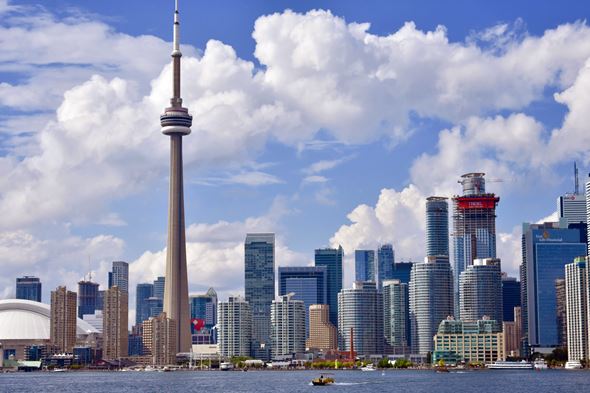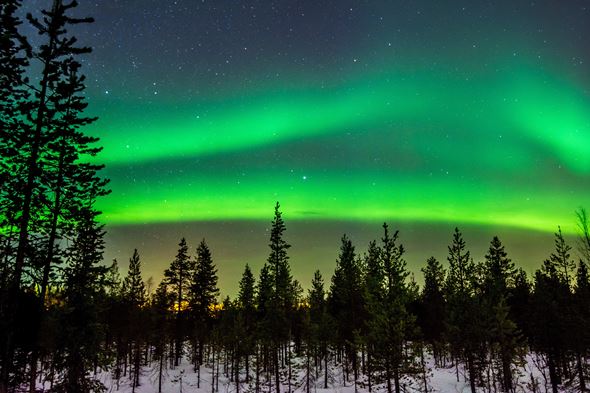

When we think about travel, we often think of travelling with our buddies or families. Travelling with others is rarely ever a bad idea, but going solo also has wonderful benefits and something to consider… CONTINUE READING >>
When we think about travel, we often think of travelling with our buddies or families. Travelling with others is rarely ever a bad idea, but going solo also has wonderful benefits and something to consider. Travelling alone doesn’t mean you’re a bore or a loner. But it does mean you’re independent and able to make decisions on your own.
The next time someone asks you, “Why do you want to travel alone?” here are some reasons you can give them.
I want maximum freedom
Travelling alone is a hands down decision if you cherish your freedom. You know the deal; someone wants to go sightseeing, another wants to go shopping and another wants to sleep the day off. From the time you wake up till you sleep again, it’s all your own decisions when alone. You do what you want, at the time you want and there’s no one to answer to.
If I wait for others, I’ll never travel
Many times we have enough trouble just making an appointment with a friend to grab a cup of coffee, let alone make travel plans. It’s a busy era, and people are often having to cancel plans due to circumstances. For a cup of coffee, that’s not a big deal, but when you’ve been planning for a trip for months and making arrangements and keeping your eyes open to get the best deals, it’s a bummer when a friend bails out. If they bail out by choice, it can actually ruin your friendship. Why wait for others when you’re as free as a bird and ready to go it alone?
I don’t like drama
We all have our own annoying habits as well as our pet peeves. Some of these habits or certain personality traits don’t show up until you live with a person and travelling together is a type of temporary living together arrangement. This can cause a strain on your friendship, not just during the trip but also after it. You can find yourselves erupting into arguments about the smallest matters to the biggest ones, and the drama just might be too much for you. If you feel you’re really not prepared for travel squabbles with your friends or family, save your relationship by travelling alone.
I feel empowered
Solo travelling is a great time to discover yourself and learn some things about yourself you maybe didn’t know before. You will have time to reflect on your life and better understand yourself. The mode of travel also defines the experience for you. If you choose to travel by train, for example, you’ll have plenty of time to reflect and also enjoy stunning scenery at the same time. And the best bit is, according to cheaptraintickets.info there are a couple of ways for you to get the cheapest train tickets with the best quality service too. And if that doesn’t give you the empowerment to enjoy your own company, not much else will! It gives you a chance to overcome some of your fears because you’ll be put in an unfamiliar environment which will teach you how to deal with new things, such as meeting new people, eating new food and appreciating new cultures and traditions.
Who said I’m alone? It’s extremely difficult to ever feel alone when travelling, even if solo. There are people all around you, and the assumption is that part of your reason for travelling is to meet new people and get involved in different things than you’re used to. In fact, when you’re alone, you’re more approachable by others. People are often less wary to help out or mingle with a single tourist than a rowdy bunch. You might even experience better service in cafes and restaurants.
Well, that’s one last reason we could end this post with. You will learn to enjoy your own company and you’ll find out that you’re capable of doing so much. It’s also a great time to catch up on other things, like finish that book you started. Travelling alone might not be for everyone. Some people just don’t like to be by themselves and that’s alright, but you won’t know if solo travelling suits you till you try it.
Your packing list should include the basics of first aid. This does not mean you can’t find these materials where you’ll be traveling, but having them on hand makes it easier for you to respond to emergency hastily… CONTINUE READING >>
Traveling is a risky business. You’re always up against uncertainty. Yet it’s also the gamble that makes it worth the take. So to make sure you get the positive end of the experience whenever you travel, you prepare right, and you anticipate any trouble that may come along your way. That makes packing emergency kits a must regardless of whether you’re going hiking or just traveling to a European city.
Your packing list should include the basics of first aid. This does not mean you can’t find these materials where you’ll be traveling, but having them on hand makes it easier for you to respond to emergency hastily.
You can also avoid the trouble of long pharmacy lines in some countries. You never know when a material that you normally take for granted can turn up in the rarities of where you’re going. So keep this list handy, and start packing right for your next sweet adventure.
Bandages or Plasters
A staple for every travel first aid kit, bandages help keep small wounds and scrapes adequately protected from infection. For small abrasions, pack small- to medium-size bandages. Reserve larger ones like self-stick elastic bandage rolls if you are going to participate in outdoor activities that are potentially dangerous to some extent.
Remember that the adhesives on bandages lose their effect the longer they are stored, so you may want to replenish your supply every now and then.
OTC Pain Strips or Medications
Pain medication may be hard to obtain in some places. Not to mention, there’s nothing more annoying than shopping for a single pill when your headache is in full swing.
Avoid the inconvenience by packing your usual pain medicine. This is helpful for curing hangovers after a night out in Bali or hiking the beautiful trails of Hawaii. Kinesiology tapes, for instance, are exquisite for managing pain noninvasively. they’re a great pain reliever if you want to engage in strenuous exercise while you’re on a holiday.
A Pair of Tweezers
The slightest pricks and thorns can be a major cause of pain and discomfort. Even more so when you fail over and over at manually trying to take out the invading object. Don’t sweat over it by securing a handy pair of tweezers in your travel kit. Aside from being a real savior for situations sticky situations, it can also serve a cosmetic purpose.
Small Scissors
Scissors usually come standard in most commercially available first aid boxes although you can always opt to buy one separately. Nothing is worse than not having anything to properly trim your gauze or bandages during a time of need. Have one handy. Airline security may have rules against carrying sharp-pointed scissors, so be mindful of what is allowed.
Water Purification Tablets
You never know how your internal biota will react to different food sources. Don’t risk your health if you’re going off the beaten track or traveling somewhere exotic. Water purification tablets help ensure that you get adequate hydration without harmful bacteria that can be detrimental to your digestive health.
Sunscreen
Don’t forget your skin-care necessities. The heat, especially in some tropical countries, can really take a toll on your skin. Have the proper protection wherever you are with a reliable sunscreen with sufficient SPF power to shield you from harmful UV rays.
Hemorrhoid Wipes
Hemorrhoid wipes are excellently designed to provide quick relief for burning, itching, or stinging sensations. This makes them a great first aid not only for the nominal purpose but also for cuts, scrapes, and insect bites.
OTC Diarrhea Medicine
Just imagine spending your vacation week in a state of constant exhaustion and dehydration after trying out the exotic food bars in some far-flung destination in Asia. Diarrhea can be fatal if not managed early. And even when you do, it can really mess up an otherwise-fascinating experience. Pack a good antimotility medicine, which you can easily purchase over the counter.
Cold Medications
Every person has his or her own way to combat cold virus. But while hot tea and some rest will work just fine for some, it’s not enough for others, especially when their vacation days are too short for long bed rests.
Be sure to have your own cold kit with you, whether that be first aid lozenges for a scratchy throat or an OTC medication for full-on colds.
Your Usual Medications
Of course, if you have a condition that requires maintain medication, don’t forget to buy enough supplies that can last your whole trip. That includes medication for allergies.
Final Thoughts
An emergency kit is one of the most important items on your packing list. Make sure you do it right using this checklist.
We are happy to present this collaborative post to offer valuable information to our readers.
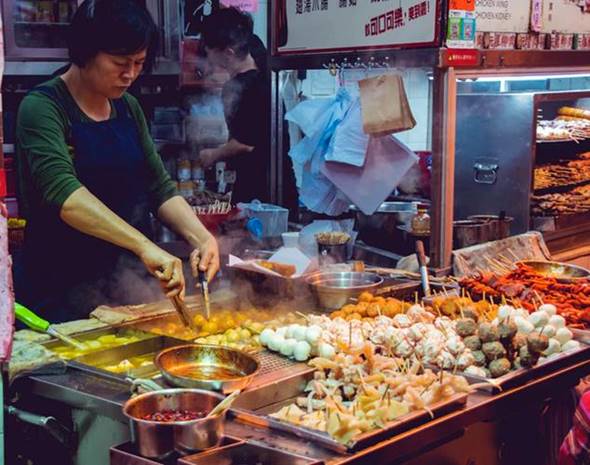
As a bike rider, you now have a choice to pick the right bicycle for your lifestyle and for the roads that frequently travel on. We’ll examine the types of bikes as we go along… CONTINUE READING >>
Bicycles or bikes are the healthy alternative to gas powered two-wheeled vehicles. They are great for nature trips, for leisurely trips, or for exercise. Bike designers have done a great job in planning and creating bikes that are made for a particular type of terrain. As a bike rider, you now have a choice to pick the right bicycle for your lifestyle and for the roads that frequently travel on. We’ll examine the types of bikes as we go along.
Road bikes
The road bike is the most common type of bike that you can see every day. This type of bike is made for traveling on the pavement. They can be great to have for suburban travels, for trips to the park, for exercise biking around the neighborhood or occasionally on paved trails. They have smooth, skinny tires and drop handlebars in case you want to pick up speed. This most suited for urban and suburban riders. Nowadays, an e-scooters are great alternative modes of transportation to get around the city.
Cyclocross bikes
This is a subcategory of road bikes is designed for mixed course travels (unpaved trails, pavement, gravel, grass). It has drop handlebars, but the tires are a bit wider than road bikes, which is great for off-road traction and stability. The brakes have been adjusted to prevent the buildup of mud in the frame. If you love nature trips and hiking, then it can be the right type of bicycle for you.
Adventure road bikes
Adventure road bicycles are one of the newest bicycle categories. Also called as all-road bikes, any-road bikes, or gravel bikes, this new type of bicycle is the most versatile subcategory of road bikes. Similar to the cyclocross bike, a gravel bike has drop handlebars and is capable of using wider tires for great handling on off-road and pavement terrains. The frame is longer and more upright to make it suitable for long rides, light touring and regular trail biking.
Touring bikes
These are bicycle variants that are tweaked to be suitable for long-distance bike tours. The have durable and lightweight frames and have installed mounting bolts for cargo racks. This bike type still follows the drop handlebar design, but the frame is designed for more comfort by letting the rider have a more upright posture while riding this bike. It also has a lower gear range compared to regular road bikes for a smooth and easy uphill ride. These features make it a great bike for carrying heavy loads and for riding long distances that could take more than a day.
Fitness bikes
These bikes feature great bicycle settings that combine easy maneuverability and terrain management. The frames are lightweight and durable and the wheels are relatively narrow, but can be adjusted to accommodate wider tires. This type of bike offers a flat or upright handlebar for upper-body comfort. It also has the features of tour bikes when it comes to cargo racks and fenders, which also make them good commuter bikes. This bike can be used for other purposes aside from exercise.
Mountain bikes
These bikes specifically designed to take on the rough off-road trails, most of them can be mountain trails. They have flat handlebars and very low gear range, suitable for conquering uphill and steep trails. These bikes are equipped with shock absorbers or suspension, which are placed at the front (hardtails) or placed on both the front and rear (full-suspension or duallies) for added stability for handling rough roads. The majority of people choose electric bikes for a seamless off-road experience. Electric bike fat tire is convenient for every weather and situation. There are also variants with no suspension at all (rigid). Their frames are designed to be durable and the braking systems are designed for off-road safety.
There are a lot of bike types to choose from according to people’s riding preference. Also, the terrain type has been taken into consideration in the bike designs to give riders better options. If you are biking alone around your neighborhood or the city, then a road bike is a good choice. If you wish to ride together with friends, you’ll need to choose the same type of bike as theirs. You’ll never run out of choices for bikes, as there is a bike for almost every type of rider. The important things to remember are comfort, durability and easy handling.
We are happy to present this collaborative post to offer valuable information to our readers.
A harrowing bus ride, brushes with llamas, and inexplicable happenings – and even when visiting a wonder of the world, your GypsyNesters can sniff out some weird regional food! CONTINUE READING >>
When we stepped off the Expedition Train at Aguas Calientes we wasted no time, proceeding directly to the busses for the ride up to Machu Picchu.
We did not stop to eat, did not check into our hotel, did not pass go, and did not collect two hundred dollars.
We just climbed aboard our carriage for the harrowing trip up the side of a crazy-sheer cliff.
A switchback on the jungle-y bus road up to Machu Picchu.
The road takes thirteen switchbacks to make it up the mountain, all while passing busses coming down hill on this somewhat-less-than-two-lane dirt road.
Several times we were clinging right on the edge… with no guard rails… not that they would stop a bus from going over the side.
But hey, they would’ve made us feel better.
However, as soon as we rounded the last switchback and saw the ruins spread out before us, all of that was forgotten.
Our super-guide Eddy would take us through the entire site, but first lunch and some delicious Goldfish Ceviche… we had no idea, hopefully a translation snafu and not actually the bowl-inhabiting pet.
Crazy name aside, it was tasty.
Machu Picchu (old mountain)
Over our Goldfish, Eddy explained that Machu Picchu is not really the name for the city – that name is lost forever. When Hiram Bingham came here in 1911, the locals told him of a place between Machu Picchu (old mountain) and Huayna Picchu (young mountain).
When Bingham told the world of his “discovery,” (how does one discover something that lots of people already knew about?) the name stuck.
Our tour began with Eddy showing us the very different styles of stone work, which implies that the building of Machu Picchu took place over several different times.
This goes against many of the guidebooks that claim the entire city was built, occupied, and abandoned within the span of about one hundred years.
Eddy most certainly doesn’t buy that theory, but as with so much about the Empire of the Incas, the facts remain unknown.
Another place where Eddy diverged from the books was when he said how he feels it is not the ruins themselves that are so mind blowing, but the location.
At first that sounded strange, but as we looked throughout the sight we had to agree.
Not to discount the remarkable structures and work involved, just to acknowledge that this spot is truly amazing above and beyond the ruins.
Theories abound as to the purpose of Machu Picchu… summer home for the Inca, agricultural testing site, hideout, fortress, or sacred city, but no single explanation seems to fit.
Perhaps the truth is some combination of these that will forever remain a mystery.
We moved on through the ruins and came upon a diamond shaped rock that was cut and placed to depict and align with The Southern Cross, then another incredibly carved boulder that is orientated with the sun called Intihuatana.
In the Quechua language inti means sun and watana (huatana in Spanish) means place to tie up, so this is often called the hitching post for the sun.
Next we entered a small building containing two carved stone pools that perfectly reflect the sky through a window, but only when the viewer is standing on the small rocks that mark the proper spot.
It is believed that these were used for star gazing… perhaps an Inca version of late night TV.
In one tiny entrance we noticed a strange doorway. A wall blocks direct access, forming a kind of S turn to get inside, so we asked Eddy about it.
He said this was a storage room and the extra wall was to keep the llamas out of the food supply. It seems that they can’t manage the tight turns, ingenious.
Llamas and tourists hike Machu Picchu together!
Speaking of llamas, these cousins of the camel pretty much have the run of the place.
The nimble buggers are everywhere, hiking side-by-side with visitors, stubbornly blocking paths and standing around looking pensive.
David attempts to sweet talk this guy out of our way.
When the site closed at five, we headed back down the crazy road to find our hotel and some food.
We checked into the very European feeling Hotel El Mapi, and toasted the day with a Pisco Sour.
Pisco is a distilled grape type of brandy and is considered the national drink of Peru.
Since we sampled the quintessential Peruvian drink, we figured we should set out in search of some cuy for dinner.
Cuy is guinea pig – yes just like the pets – and is traditionally eaten in the Andes highlands on special occasions. We decided an occasion couldn’t get much more special than celebrating our visit to Machu Picchu, so when we saw a place with cuy al horno (oven roasted guinea pig) on the menu, we sat right down.
The cuy came baked and quartered on a plate, head and all, with some potatoes on the side. Most disturbing were the tiny little feet and the two buck teeth. But we’d come this far, so we had to eat it.
Like the old cliché… it tasted like chicken. Only this time it was true. Like a chicken thigh, or closer to rabbit. It’s good, and yes, we ate the whole thing, which was really only a few forkfuls. Between the cuy dinner and the goldfish at lunch, we took to calling this the day we ate pets.
In keeping with the celebratory spirit of the occasion, we made plans for the next day’s return to Machu Picchu to visit the Temple of the Sun.
Two windows in the temple are aligned so that on each of the solstices the sun rises directly through them. Since we were less than a week away from the June solstice (winter here, summer in the northern hemisphere), we figured that alignment should be pretty darn close.
Just before daylight we once again made our way to the busses. Several sources mentioned long lines for the first bus to go up each morning, but once again Eddy steered us in the right direction and advised us to get to the bus just before 6am. At 5:55 we walked right on to the second bus.
With daylight breaking we scurried toward the temple, which stands in the center of the ruins, and found a spot where we could watch the sun come through the window.
Sunrise! The cosmic alignment was pretty darn close and the window lit up as advertised. We, and everyone around us, were feeling very in tune with the cosmos.
From the temple we climbed upward to the top of the ridge between the two peaks, Machu and Huayna Picchu, to get our first view of the back side of the ruins.
We were surprised by how much was back there. About half as big as the front side, but concentrated more on the terraces that were used for farming and, perhaps more important in this case, preventing erosion and landslides.
The backside of Machu Picchu
This was also where we could catch the famous Inca Trail. The trail runs for some fifty miles all the way to Cusco, and is a remnant from the expansive system of roads or trails that spanned Tawantinsuyu, the Quechua name for the Inca Empire.
But we would only be going a couple of those miles, up to the Sun Gate, or Inti Punku in the Quechua language.
In about an hour we climbed up another few hundred feet above sea level from the main part of Machu Picchu, taking us over 2,000 feet above the valley below. Inti Punku is the spot where the sunrise can be seen through the Sun Temple window on the solstice in December.
It is also where hikers that have walked four days along the Inca Trail from the Sacred Valley get their first view of Machu Picchu.
For the rest of the day we simply soaked it all in, until we needed to make our way back so we wouldn’t miss our train.
Missing the train would be a problem since it was our only way out of Aguas Calientes… unless we wanted to hoof it back to Ollanaytambo.
Heavy rain, cloudy skies and severe snowstorms are not something you’d want in your vacation.The solution is to make the absolute best out of the situation. Here are 10 things you can do to have a great time… CONTINUE READING >>
Heavy rain, cloudy skies and severe snowstorms are not something you’d want in your vacation, but we can’t always get what we want.
The solution is to turn that frown upside down and make the absolute best out of the situation. You won’t have to get stuck inside your room and wait the bad weather out. Here are 10 things you can do to have a great time.
1. Pamper Yourself
When was the last time you had your nails, feet or hair done?
Going for a spa treatment can make for time well spent even if there’s a storm raging outside. You can call up the desk and ask if there’s a professional or a place where you can relax and get a well-deserved treatment.
If not, use your smartphone and look up the nearest place that has good reviews. Prepare for some pampering and get a massage to melt the stress away.
2. Tour The Bars Around The City
Indoor events can be just as fun indoors. Adults, for example can set out and find the nearest pub, get a pint of beer or a glass of wine and snack on local fried goods.
Relax, unwind and enjoy each other’s company. From there, you can get bar-hopping until the weather clears or when the beach is all nice and sunny.
If you’re with kids or prefer caffeine, search for cafes and kiddie restaurants and sample specialties and smoothies. A food trip may just be what you need to forget about the rain and winds outside. I find these survivalist shows on NetFlix worth your time.
3. Play Games
Grab a pack of cards and play any of the available variants, depending on the number of people. You can play something as simple as Go Fish or have a mini Poker tournament, complete with prizes up for grabs.
There are multiplayer apps that the family or your partner can enjoy. Play trivia, a digital version of a board game, Sudoku or crosswords to while away the time. Or, you can get creative and come up with what’s appropriate at the moment.
4. Still Head To The Beach
There’s no rule that says you can’t go to the beach on a rainy day.
Remember to stay safe and bring a parka, an umbrella or just wing it and enjoy the moment. Grab a bucket and collect colorful shells or build a sand castle and take a photo to share with friends.
5. Have a Picnic
Go on a gastronomical journey and savor the simple joys of life with an indoor picnic. It makes for a memorable event and one that could stay with you for a long time.
Raid the local grocer and buy some snacks and dips. Then, buy some bread, meat and cheese and your favorite beverages. Get a blanket, spread it on the floor and gather everyone around. Eat, chat and enjoy each other’s company and tell stories on what you did when there’s inclement weather.
6. Use The Hotel Facilities
When your smartphone says strong winds and possible rain showers, call up the hotel desk and ask them what facilities they offer. Gather the troops and head to the reception for options.
Most hotels will have a number of things their inhabitants can do, including swimming in an indoor pool, watching a movie in HD in a private theater, play areas where the kids can have fun and expend their energy, a bowling alley, gym or a sports facility.
7. Explore The Town
Have a day’s worth of activities lined up but the weather ruined it? No worries. You can draw a circle on the places that seem interesting with the help of Google Maps or Apple Maps, then create an itinerary from scratch.
Depending on who you’re with and what you want to do, you can visit an art exhibit, a tech store, the mall, or find hidden treasures in a thrift shop or the flea market. Eat some ice cream, a smoothie or a pizza as you wait for the weather to clear.
8. Go For a Joyride
Make sure you have GPS on your phone via Waze or Google Maps before driving to the great unknown. Depending on the available time and preferences, you can choose to wander around or have a specific destination – a local souvenir shop, a park or a landmark where you can take a selfie and share on social media.
9. Visit a Kid’s Club
Most major cities will have a kid’s club where the young ones can play to their heart’s content. Find the nearest one and make sure you have snacks and water for when they get tired.
10. Let Them Play Their Gadgets
Everyone can use a “me time” every now and then. When nature is telling you to slow down, why not curl up with a good Kindle or catch up on your Netflix shows? Hand over your kid’s tablets and let them play or connect your teen’s Wi-Fi so he or she can talk to their friends on social media.
We are happy to present this collaborative post to offer valuable information to our readers.

New York City is a rule-based city to live in with various laws and regulations governing signs and notices. But building signs in NYC can be customized and still meet the required guidelines… CONTINUE READING >>
NYC is a rule-based city to live in with various laws and regulations governing signs and notices. The city is managed by the New York City Department of Housing Preservation and Development (HPD). Established in 1978, the HPD is the largest municipal housing preservation and development agency in the country. When it comes to housing, depending on the size of the building, the city and its dwellers are governed by a whole host of laws including the Housing Maintenance Code (part of the NYC Administrative Code), the Multiple Dwelling Law, and the Rules of the City of New York that establish standards and requirements for posting building signs and notices in NYC.
Building signs in NYC can be customized and still meet the required guidelines, say signage experts in New York Sign Group. Regulations also apply to commercial properties, and storefront signs in NYC typically need to be approved by the property owner before a permit can be issued.
Required Registrations, Signs and Notices in NYC
1. Annual Residential Property Registration – As per HPD, annual registrations are mandatory for property owners of residential multiple family dwellings or private dwellings where the owner or the owner’s immediate family don’t reside.
2. Safe Construction Bill of Rights – another HPD building sign requirement, this notice applies in the event of a major alteration or repair.
3. Certificate of Inspection Visits – the HPD inspector issues a 6″ x 9″ inspection visit card that needs to be framed and displayed prominently in the vestibule or entranceway of the building.
4. Other HPD building signs include notices for procedures to be followed in the event of a gas leak, information about interruption of services, weather emergencies, availability of a housing information guide, garbage collection, smoke detectors, carbon monoxide detectors, bedbug filing receipts and janitor details in a prominent and accessible area. When it comes to the building itself, signs for the boiler room (with details of contact person), floor numbers (on and pertaining to each floor), street number sign on the front of the building and serial number assigned to the building, have to be put up as specified. For hotels, signs are also required for maximum occupancy.
In New York City, tenants have many rights relating to the safety and quality of their housing and the HPD works hard to protect these rights by preventing harassment, displacement, and ensuring low-income tenants facing legal proceedings in housing Court have universal access to legal representation.
Owners of commercial property in NYC typically need to specify and approve the type, size, and even colors that are allowed for their tenant’s storefront signs. Once it is approved by the property owner, the tenant must then obtain a sign permit. City ordinance generally specifies the type, size, and number of signs that are allowed within the zoning area where the property is located.
For popular residential and commercial properties, a lot of the paperwork is made easy with right realtor. NYC realtors with proper real estate signs are typically more authentic since they have chosen to invest in their branding and reputation. Using realtors with proper real estate signs advertising open houses and new property listings and buildings with all the HPD signs displayed prominently are a good starting point for starting a life in NYC.
We are happy to present this collaborative post to offer valuable information to our readers.
If you’re planning a trip to the U.K. chances are you’re planning to rent a car. However, the last thing you want to do is put yourself in danger on foreign roads while traveling in new territory. These three tips are worth considering before booking a rental car and driving on U.K. roads… CONTINUE READING >>
If you’re planning a trip to the U.K. from abroad, chances are you’re planning to rent a car once you arrive. This is an ideal option for families eager to explore the entire region without the hassle of jumping from one train to another throughout the trip. With plenty of options for car rentals in each city for easy pick-up and drop-off, the entire rental process is quick and easy.
However, renting a car vs. relying on public transportation is still a hefty choice not to take lightly. The last thing you want to do is put yourself in danger on foreign roads just because you didn’t prepare enough for traveling in new territory.
The following three tips are worth considering before booking a rental car and driving on U.K. roads.
Carefully Choose the Car Provider
Finding a car rental service won’t be difficult, especially if you’re starting your trip in London. Once you retrieve your luggage at Heathrow or Gatwick, you’ll notice several kiosks ready to connect you with a service. The key is to plan your rental ahead of time with a company you’ve researched, not winging your transportation booking until you arrive.
You never know what car options you’ll end up with once you arrive, and there may be higher fees for a last-minute booking.
Through research ahead of time, you’re more likely to find an affordable service in the city with better vehicle choices. Make sure to learn extensively about the service ahead of time so that you’re choosing a reliable, high-quality provider. Otherwise, it’s possible to end up with a car that comes with problems.
The more you research ahead of time, the more you’ll know about what the company offers: Do they offer unlimited mileage? Are there additional fees? What are their rental insurance rates? Choose based on these factors, not by waiting until you arrive to assess your options.
Online car comparison search engines will connect you with rental providers not only throughout London but the entire U.K. as well. With over 1 million successful rentals, these search engines deliver you with a database of options at a great deal.
Know Your Insurance Options
You’re probably wondering if your car insurance will cover you in Europe or whether you are going to have multi car insurance. There are other options like car insurance inFL. Unfortunately, most personal auto policies will be rejected. You’ll be expected to buy your own renter’s insurance.
Of course, you will want collision and comprehensive so it’s worth calling your insurance agent to check whether you’ll receive coverage. It’s also possible your credit card will offer free or reduced rate coverage. Call an agent and ask them about their damage waiver coverage.
Other options include buying a standalone insurance policy for the trip only, or through the rental service that provides you with the car. This will be the most expensive option, but it is also the most convenient. You don’t have to jump through any hurdles to get insurance through the service.
Triple Check That You’re Up for the Drive
Driving through the English countryside is a remarkable experience. It’s a great way to stop and explore small villages and unique views along the way to your major destination. However, driving in England is different than driving in the U.S.
Everyone knows that the British drive on the opposite side of the road, but you’d be surprised how many people forget this. It’s not just the side of the road that’s switched either – the shifter, the driver’s side, the placement of the windshield wipers and the turn signals are all switched, too. There are many people who assume they can handle this adjustment, only to cause a major accident behind the wheel.
Even though it’s most convenient to rent a car, it’s better to take public transit if it’s not going to be relaxing. Traveling along Britain’s trains can be equally as pleasant as exploring by car. Window views lead to open pastures and quintessential towns – and you get to enjoy this from the comfort of the backseat.
We are happy to present this collaborative post to offer valuable information to our readers.