Search…

Embracing Off-Grid Tiny Living For Empty-Nesters in Australia

A Tiny Home In Australian Wilderness

As the nest empties and retirement beckons, many empty nesters find themselves yearning for adventure, freedom, and the opportunity to explore new horizons. What better way to satisfy that wanderlust than by embracing off-grid tiny living in the breathtaking landscapes of Australia?

In this blog post, we’re sharing the reasons why empty nesters will love embracing life on the road in a tiny home.

Discover Freedom

Imagine trading in the traditional confines of suburban living for the boundless freedom of the open road. With an off-grid tiny home as your vessel, the possibilities for exploration are limitless. From the rugged terrain of the outback to the pristine beaches of the coast, Australia’s diverse landscapes beckon you to embark on a nomadic adventure unlike any other.

Learn to Adapt

While the idea of travelling in a tiny home may seem daunting at first, rest assured that with careful planning and preparation, the journey can be both rewarding and fulfilling. From navigating unfamiliar roads to ensuring access to essential resources like water and energy, empty nesters embarking on an off-grid adventure will need to embrace a mindset of flexibility and adaptability.

Embracing Sustainable Travel

One of the greatest rewards of off-grid tiny living is the opportunity to live in harmony with the natural environment. By embracing sustainable travel practices such as conserving water, minimizing waste, and utilizing renewable energy sources like solar power, empty nesters can reduce their ecological footprint while immersing themselves in the beauty of Australia’s wilderness. Whether you’re staying in remote bushland or along the coast, every stop becomes an opportunity to reconnect with nature and leave a positive impact on the planet.

Build a Community

Despite the transient nature of life on the road, off-grid tiny living fosters a strong sense of community and connection among fellow travellers. From swapping stories around the campfire to sharing tips and resources, nomadic communities in Australia offer a support network that enriches the journey and enhances the overall experience. Whether attending gatherings or simply striking up conversations with fellow travellers along the way, empty nesters embarking on an off-grid adventure are sure to find camaraderie and friendship wherever they roam.

Live a Simpler Life

At its core, off-grid tiny living is about embracing a simpler, more intentional way of life—one that prioritizes experiences over possessions and freedom over conformity. For empty nesters seeking to travel, it offers the opportunity to write a new chapter in their lives, filled with adventure, exploration, and unforgettable memories. Whether chasing sunsets in the outback or waking up to the sound of waves crashing on the shore, life on the road in a tiny home

promises to be an exhilarating journey of self-discovery and transformation.

Final Thoughts

As the road stretches out before you, beckoning you to new adventures and undiscovered treasures, take a moment to savour the freedom and possibility that off-grid tiny living affords. Whether you’re embarking on a cross-country odyssey or simply seeking out new experiences closer to home, the journey is yours to enjoy.

So, why not take the leap and embrace the nomadic lifestyle in the vast and awe-inspiring landscapes of Australia? The road awaits, and the adventure of a lifetime awaits just beyond the horizon.

Essential Gear for Exploring America’s National Parks

Are you planning to explore America’s National Parks? Ensure that you pack the essential gear for your next adventure by checking out this list…
CONTINUE READING >>

America’s National Parks are a testament to the natural beauty and diverse landscapes that define our great nation.

From the serene lakes of Yosemite to the rugged peaks of the Rocky Mountains, each park offers a unique adventure that beckons the outdoor enthusiast.

However, the key to a truly unforgettable experience lies not just in the journey itself but in being adequately prepared for it.

The right gear can make the difference between a challenging misadventure and a REWARDING exploration.

For those gearing up for their next national park adventure, it is crucial to equip yourself with the essential outdoor gear for safety, comfort, and enjoyment. This is what we will be going over today.

12 Must-Have Gear for Exploring America’s National Parks

To truly embrace these wonders of the environment, one must be adequately prepared. The right gear enhances the enjoyment of your journey and ensures your safety amidst the unpredictable elements of nature.

We listed the must-have gear that addresses shelter, hydration, navigation, and comfort essentials.

Each piece is critical in preparing for the diverse challenges and experiences America’s National Parks offer.

1. Comfortable Footwear

The correct footwear is essential for navigating the varied terrain of national parks. Choose shoes that offer SUPPORT and TRACTION, designed for the specific conditions you will face, whether rocky ascents or muddy trails. This is where first-rate arch support insoles can make all the difference.

Quality insoles will add comfort, and can even help avoid injuries, while you hike. Then your hiking boots or shoes can protect your feet over long distances, ensuring that your focus remains on the beauty around you, not the discomfort below.

2. Tents and Shelter

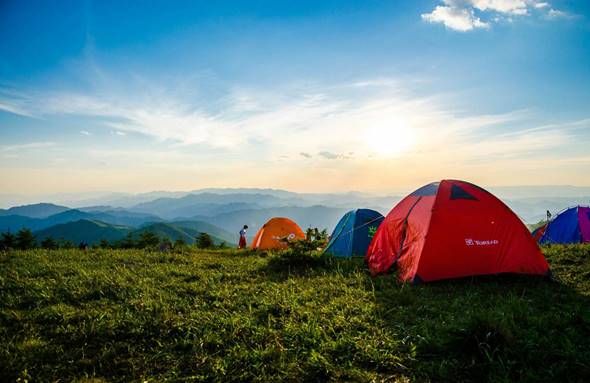
Choosing the right tent is pivotal for any outdoor journey. Aim for a shelter that strikes the perfect balance between being LIGHTWEIGHT for those long treks and DURABLE enough to stand up to the elements of nature.

Ideal tents protect against various conditions, from torrential downpours to high winds, while not weighing you down or being too cumbersome to install.

NOTE: You can visit Vargo Outdoors and shop for everything you need, from ultralight tents to reliable navigation tools, ensuring you are well-prepared for the diverse terrains and climates of America’s great outdoors.
3. Water Filtration and Bottles

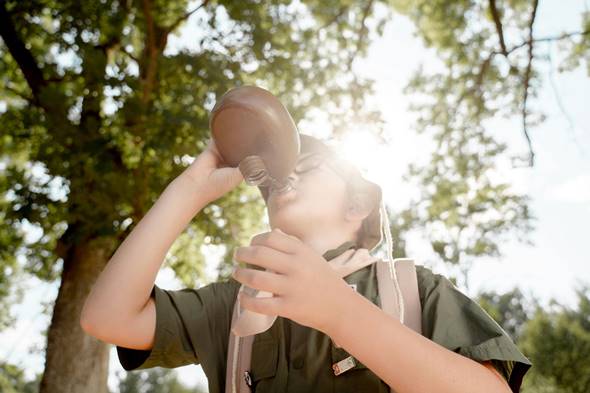
Hydration is critical in the great outdoors, making reliable water filtration and durable bottles essential for your survival.

Portable filtration systems allow you to convert natural water sources into safe drinking water. This becomes more CRUCIAL when exploring remote areas, as you may not have ready access to potable water.

Combine this with a sturdy water bottle designed for easy carry, and you ensure that you stay hydrated no matter where your adventures take you.

4. Durable Backpacks

A backpack is more than just a bag; it is your mobile base camp. The best backpacks merge water resistance and ergonomic design with ample storage, organized in a way that makes your essentials accessible and your load manageable.

Look for designs with adjustable straps, ample padding for comfort, and compartments that help keep gear dry and organized.

The right backpack becomes an extension of you, capable of carrying everything you need WITHOUT becoming a burden. It should be your shield against everything Mother Nature can throw at you.

5. Navigation Tools

In the expansive wilderness of national parks, reliable navigation tools are INDISPENSABLE.

Traditional maps and compasses, alongside modern GPS devices, offer a safety net for exploration. They ensure you can always find your way back, regardless of cell service or battery life.
Understanding how to use these tools effectively is just as important as having them, offering peace of mind as you venture into unfamiliar trails and make your way back to civilization.

6. Backup Batteries and Memory Cards

Amid nature’s splendor, every moment is an opportunity for a memorable photo.

Keeping your camera equipped with extra batteries and memory cards means you will NEVER have to miss out on being able to capture the beauty of a sunset or the majesty of wildlife you encounter.

These backups are especially crucial in remote areas where the opportunity to recharge or download images might be days away.

7. Appropriate Clothing

The secret to comfort in the outdoors is layering.

Start with moisture-wicking base layers that keep sweat away from your skin, add insulating layers to retain body heat, and top with waterproof outer layers to protect against rain and wind.

This approach allows you to adjust your outfit to the day’s conditions, ensuring you remain COMFORTABLE whether scaling a peak or navigating an established trail one chilly morning.

8. Sun Protection and Bug Spray

Protecting your skin from the sun’s harmful rays and insects is paramount for your overall enjoyment.

A high-SPF sunscreen should be applied and reapplied according to exposure, while an effective bug spray wards off mosquitoes, ticks, and other pests that can be not just annoying but also harmful to your health.

These precautions are simple but critical for avoiding discomfort and health issues on your trip.

9. Cash

While digital payments are increasingly common, many locations within national parks may still operate on a cash-only basis.

Having cash on hand is essential for covering park fees, purchasing goods from local vendors, or handling minor emergencies.

It ensures you are prepared for all transactions, focusing on the adventure rather than payment logistics.

10. Food and Water

The energy expended during hikes and explorations necessitates a steady intake of calories and hydration.

Packing NUTRIENT-DENSE snacks and meals provide the fuel your body needs to keep moving.

A sufficient supply of water, augmented by a portable filtration system, also guarantees access to safe drinking water, keeping you hydrated no matter how far off the beaten path you venture.
11. First Aid Kit and Medication

A comprehensive first aid kit is your first line of defense against minor injuries, insect bites, or health issues that can occur in the wilderness. It should include bandages, antiseptics, blister treatments, and personal medications.

Being prepared to handle common ailments ensures that minor issues DO NOT escalate into major emergencies.

12. Rain Gear

Weather in the national parks can change rapidly, and sudden rain storms are not uncommon.

Lightweight, packable rain gear, such as waterproof jackets and pants, can be easily carried and quickly donned to keep you DRY and COMFORTABLE.

This gear not only protects against getting wet but also helps prevent the drop in body temperature associated with damp clothing.

Packing for Your Adventure

Mastering the art of efficiently packing can TRANSFORM your outdoor adventure, ensuring that every piece of gear serves a purpose without weighing you down.

Here is how to pack smart for your journey into America’s National Parks:

    • Start with a List: Begin by making a comprehensive list of everything you need, tailored to the duration of your trip, the climate, and the activities planned. This list ensures nothing essential is forgotten and helps avoid the common pitfalls of overpacking.
    • Choose the Right Backpack: Selecting the right backpack is foundational. Consider the volume (in liters) needed for your gear and the fit on your body. A backpack with adjustable straps, a supportive waist belt, and multiple access points can make all the difference in comfort and convenience.
    • Organize with Compartments: Utilize the compartments and pockets in your backpack to organize gear. Keep items that you will need frequently or quickly—like water, snacks, a first-aid kit, and rain gear—in easily accessible spots. Use packing cubes or bags to compartmentalize clothes and equipment, which not only keeps things organized but also compresses items to save space.
    • Balance the Load: Distribute weight evenly to maintain balance and reduce strain on your body. Heavier items should be packed closer to your back and centered between your shoulders and hips. This placement helps maintain your natural center of gravity and makes carrying the load more manageable.
    • Prioritize Accessibility: Pack with the day’s journey in mind. Consider what items you will need access to throughout the day and place them toward the top of your pack or in your side pockets. This strategy minimizes disruptions and the need to unpack and repack your bag.
    • Test and Adjust: Once packed, try on your backpack and adjust the straps for a snug, comfortable fit. Walk around to ensure the weight feels balanced and the pack doesn’t shift uncomfortably. Making adjustments before you hit the trail can save you from discomfort or injury.
    • Leave Space for Extras: Finally, leave a little extra space for items you might pick up along the way, like souvenirs or extra water. Having a bit of flexibility in your pack means you can adapt to unexpected needs or opportunities.

Efficient packing is not just about fitting everything into your backpack; it is about strategic placement, accessibility, and maintaining comfort throughout your journey.

With a well-organized pack, you free yourself up to enjoy the beauty and adventure that await in America’s National Parks, knowing everything you need is right where it should be.

Special Considerations for the Hunting and Shooting Community

For enthusiasts in the hunting and shooting community embarking on adventures in America’s National Parks, preparing requires attention to specific details BEYOND the essential outdoor gear. Here is what to consider:

    • Camouflage and Concealment: Effective camouflage is essential for blending seamlessly into the natural environment, a critical factor in successful hunting. Choose camouflage that matches the specific terrain and vegetation of the park you are visiting, whether it is the dense green forests of the Appalachians or the arid brushlands of the Southwest. This not only aids in the hunt but also minimizes disturbance to wildlife.
    • Firearm Safety Equipment: Safety should always be the paramount concern, making firearm safety equipment non-negotiable. This includes secure, lockable gun cases, trigger locks, and safety gear such as ear protection and safety glasses. Always ensure that your firearms are transported and stored according to federal and state laws and park regulations.
    • Knowledge of Park Regulations: Understanding and adhering to park regulations regarding hunting is crucial. Not all national parks allow hunting, and those that do often have strict guidelines on seasons, permissible areas, and types of game you can hunt. Before planning your trip, research the specific regulations of the park you intend to visit. This might involve permits, hunting seasons, and specific rules about the use of firearms or bows.
    • Ethical Hunting Practices: Beyond legal requirements, ethical hunting practices ensure that hunting activities contribute to conservation efforts and respect the natural balance of the park’s ecosystems. This includes following the principles of fair chase, only taking shots that ensure a quick and humane kill, and respecting wildlife and other park visitors.

Understanding the Terrain and Climate of National Parks

Understanding the diverse terrains and climates of America’s National Parks is CRUCIAL for any adventurer.

With its extreme heat and cold, the stark, sun-baked expanses of the Grand Canyon demand gear that can protect and adapt.

Conversely, the Everglades’ swampy marshlands require equipment that can withstand moisture and facilitate easy movement through water-logged areas.

The unpredictability of weather and conditions across parks like Yosemite, with its sudden storms or the high-altitude challenges of Rocky Mountain National Park, underscores the importance of versatile, durable gear.

From selecting a tent that shields against harsh winds and heavy rainfall to choosing a backpack that balances weight and accessibility, every piece of equipment must be chosen with the environment in mind.

Understanding these diverse ecosystems and preparing accordingly is not just about ensuring comfort—it is a vital step in safeguarding your adventure against the unpredictable elements of nature.

Leave No Trace

Leave No Trace principles” are essential for anyone venturing into America’s National Parks. Their premise is about minimizing our impact on these pristine spaces through MINDFUL PRACTICES.

It involves staying on designated trails to avoid damaging native flora, camping in established sites to prevent soil erosion, and adequately managing waste by packing everything you bring in.

Equally important is the respectful observation of wildlife from a distance, without feeding or disturbing them, to MAINTAIN their natural behaviors and habitats.

Leave No Trace” also encompasses the responsible use of fires, recognizing that the scars left behind can last generations and disrupt the ecosystem.

When fires are permitted, use established fire rings and keep fires small. Ensure all flames are extinguished completely before leaving the site.

Being considerate of other visitors is a core aspect. Keeping noise levels down, yielding to other trail users, and preserving the sense of solitude and natural experience FOR EVERYONE speaks to the heart of this principle.

Conclusion

Exploring America’s National Parks is an adventure like no other. The key to a truly enriching experience lies in meticulous preparation and selecting the right gear tailored to the diverse terrains and climates you will encounter.

Each item plays a pivotal role in SAFEGUARDING your adventure, from the essential comfort of a well-chosen tent and backpack to the critical necessity of hydration, navigation tools, and appropriate attire.

Furthermore, sun protection and emergency preparedness, including a first aid kit and sufficient food and water supplies, ensure that your focus remains on the beauty and thrill of exploration.

For those in the hunting and shooting community, additional preparation in terms of camouflage, safety, and adherence to park regulations underscores the importance of an ethical approach to wildlife.

As you pack for your next national park adventure, remember that proper preparation ensures your SAFETY and COMFORT and deepens your connection with nature.


On-The-Go: Here’s 5 Tips to Improve Your Comfort During Travels

With a little preparation and some practical advice, you can ensure that every trip is pleasant and enjoyable…
CONTINUE READING >> 

Traveling can be daunting for some, but it doesn’t have to be an uncomfortable experience. You can make your journey as comfortable and enjoyable as possible with the right tips and tricks. Here are five essential tips to help improve your comfort on the go!

1. Wear Comfortable Clothes:

When traveling, comfort is an absolute must, that is why we feel that a quality pair of comfortable shoes with good arch support insoles is the most essential item to pack for your trip.  You will be glad you did when your feet feel healthy, hardy, and ready to go all day. By providing much-needed stability and cushioning you and your feet will be unstoppable while exploring wherever you go.

It is also a good idea to choose layered clothing that can easily be added to or taken off depending on the temperature. So avoid wearing anything too tight or restrictive, as it will make you feel uncomfortable for the duration of your journey.

2. Pack Light:

Lugging around a huge suitcase is annoying and can hinder your mobility while you’re away from home. Try to pack light by only bringing along the essentials such as clothing, toiletries, and any necessary electronics like laptops or phones. This way, you won’t have to worry about carrying around a heavy bag that takes up valuable space. Additionally, you can save money on baggage fees if your airline has a weight limit for checked bags.

3. Bring along Entertainment:

During long journeys, it’s important to have something to occupy your time with. Whether it be reading a book or watching movies on your laptop, having an activity to focus on helps the time pass more quickly and prevents boredom from setting in. As a bonus, you can also spend the time relaxing and de-stressing while away from home. Also, if you’re traveling with children, don’t forget to bring along some toys or activities to keep them entertained during the trip.

4. Stay Hydrated:

Traveling can often lead to dehydration, especially when you’re on a plane or in an unfamiliar environment. Make sure to drink plenty of fluids throughout the day and avoid consuming too much caffeine or alcohol as it can further dehydrate your body. Additionally, try to opt for healthier snacks such as fruits or nuts rather than processed foods high in sugar and other unhealthy additives.

5. Invest in the Right Gear:

Having the right gear can make all the difference in comfort. For example, Roam Often has a Case, a versatile and stylish item that can be used for leisure and business purposes. Its ergonomic design ensures that your laptop remains secure during transit and its adjustable straps allow you to adjust the bag size based on what items you need to carry with you.

Overall, following these tips will help improve your overall comfort while traveling. Taking time to plan will also ensure your journey is as stress-free as possible. With a little preparation and some practical advice, you can ensure that every trip is pleasant and enjoyable!

Eight Tips for The Best Vacation in Hua Hin

With its mix of natural beauty, rich culture, and vibrant nightlife, Hua Hin promises an unparalleled vacation experience…
CONTINUE READING >>

The allure of Hua Hin, Thailand, is hard to resist. With its stunning beaches, vibrant night markets, and a unique blend of traditional and modern attractions, Hua Hin is a destination that promises unforgettable memories.

Nestled in the Gulf of Thailand, this royal resort town has something for everyone – be it adventure seekers, families, or those simply looking to relax. As you plan your trip to this beautiful town, here are some essential tips to ensure you have the best experience.

1. Explore Hua Hin’s Beaches and Water Activities

The beaches of Hua Hin are undoubtedly its crowning jewels. Soft white sand, swaying palm trees, and the gentle waves of the Gulf make it a paradise for beach lovers. Spend your day sunbathing or a leisurely stroll along the shore during sunset.

But that’s not all. Dive into the array of water activities available. From jet skiing to banana boat rides, there’s no end to the fun you can have. If you’re a fan of water sports, kiteboarding is gaining traction in Hua Hin. For a more relaxed experience, consider hiring a traditional Thai boat and exploring the nearby islands.

2. Check into a Hotel

When in Hua Hin, having a comfortable place to rest is crucial. The town offers a range of accommodations, from luxury resorts to quaint guesthouses. They combine comfort with top-notch amenities, ensuring your stay is memorable.

Before booking, look up the best affordable hotels in Hua Hin on any popular search engine to find options near the beach, the town center, or more secluded areas.

3. Indulge in Local Cuisine at the Night Market

Thailand is a haven for foodies, and Hua Hin is no exception. Make your way to the bustling night market in the heart of the city. Here, you can savor an array of delectable Thai dishes. Feast on classics like “Pad Thai”, “Som Tum” (spicy papaya salad), and freshly grilled seafood.

As you navigate through the vibrant stalls, don’t forget to try the mango sticky rice, a sweet treat that will leave you craving more. Aside from the food, the night market is also an excellent place to shop for souvenirs and local handicrafts.

4. Visit Historical and Cultural Attractions

Hua Hin is not just about beaches and markets but also about history and culture. A visit to the Hua Hin Railway Station, with its royal waiting room, transports you back in time. This iconic landmark showcases beautiful Thai architecture and is one of the oldest railway stations in Thailand.

Another must-visit is Wat Huay Mongkol, home to the giant statue of the revered monk Luang Phor Thuad. For art enthusiasts, the Artist Village, with its galleries and studios, offers a glimpse into the town’s thriving arts scene.

5. Discover the Tranquility of Hua Hin’s Temples

Like the rest of Thailand, Hua Hin is dotted with serene temples (or ‘wats’) that offer a peaceful retreat from the bustling town. Wat Khao Takiap stands on a hill, giving visitors a panoramic view of Hua Hin and the ocean beyond.

The temple is also home to a large golden Buddha statue and many playful monkeys. Another noteworthy temple is Wat Ampharam. Located in the heart of the town, this temple provides insights into Thai Buddhist traditions and rituals.

Visiting these temples offers a spiritual experience and allows you to appreciate the stunning architecture and history of Hua Hin.

6. Embark on a Golfing Adventure in Hua Hin

Golf enthusiasts, rejoice! Hua Hin is often referred to as Thailand’s golfing capital. The town boasts some of Asia’s finest golf courses, each offering a unique playing experience amidst picturesque landscapes. The Black Mountain Golf Club and Banyan Golf Club are among the most celebrated courses, drawing both professionals and amateurs.

For those new to the sport, many golf clubs offer training sessions with seasoned instructors. After a day on the green, many courses also have clubhouses to enjoy a relaxing meal overlooking the sprawling lawns. Whether you’re a seasoned golfer or a beginner looking to start, Hua Hin offers the perfect golfing getaway.

7. Experience the Thrill of Hua Hin’s Water Parks

If you’re traveling with family, especially kids, the water parks in Hua Hin are a must-visit. Vana Nava Water Jungle is a favorite among visitors, known for its thrilling rides, slides, and pools.

There’s something for everyone, from adrenaline-pumping attractions like the Abyss to more relaxed ones like the Lazy River. Beyond the rides, these parks also provide cabanas for relaxation, restaurants for a quick bite, and other amenities ensuring a full day of fun.

So, slather on some sunscreen, grab your swimwear, and dive into a refreshing adventure!

8. Immerse Yourself in Hua Hin’s Wellness Retreats

Thailand is renowned worldwide for its spa and wellness centers; Hua Hin is no exception. The town has a plethora of wellness retreats and spa centers that promise relaxation and rejuvenation.

From traditional Thai massages that ease out every kink in your muscles to herbal treatments that refresh the skin, there’s a wide range of services on offer.

Many of these spas use natural ingredients like lemongrass, coconut, and turmeric, ensuring a holistic wellness experience.

After a long day of sightseeing, booking a session at one of these retreats is the perfect way to unwind and pamper yourself.

Conclusion

With its mix of natural beauty, rich culture, and vibrant nightlife, Hua Hin promises an unparalleled vacation experience. Follow these tips, soak in the town’s charm, and you’re sure to leave with memories that last a lifetime.

Whether you’re relaxing at one of the best affordable hotels in Hua Hin, indulging in mouthwatering Thai cuisine, or exploring historical sites, Hua Hin ensures every moment is special.

UK Travel Tips

The UK is renowned for its history, culture, and natural beauty, so it’s safe to say that travelers are provided with a diverse range of experiences. Whether you want to experience the bustling streets of London or the rugged coastline of Scotland, the UK has something to entertain everyone. That said, the UK travel scene can be intimidating to some travelers. The first step is to find the right accommodation, including those offered by Premier Cru Hotels, that’s situated near everything you’d like to experience. After this, you should keep to the following steps to ensure a smooth and unforgettable journey.

Weather Preparedness

Unpredictable weather is synonymous with the UK, so you need to be prepared for every eventuality. Even during the summertime, showers are common, so it’s a good idea to pack a thin waterproof jacket. Clothes that you can layer are the way forward, as you can take layers off if it gets too warm but pile them on if it’s too cold.

Public Transportation

The UK has a great public transport network, and it’s not too difficult to navigate. For instance, London has the Underground, as well as the red buses to help you navigate the capital. Similarly, the train network allows you to access the rest of the country. If you’re planning to use trains a lot, you might consider getting a rail pass or a rail card that entitles you to discounted fares. When using London’s public transport system, though, using your contactless card will provide you with the cheapest and easiest mode of travel.

Cultural Etiquette

Stereotypically, British people pride themselves on manners, and this stereotype isn’t too far from the truth. In the UK, it’s customary to say “please”, “thank you”, and “sorry” often. Similarly, it’s recommended that you avoid loud and boisterous behavior in public. Perhaps the most striking difference in etiquette between the US and the UK is that tipping isn’t expected in the UK. When dining out at restaurants, you may leave a 10-15% tip for good service; however, a service charge is often automatically applied. You can request to have this service charge taken off, but it’s customary to pay it.

Explore Beyond the Capital

There’s no escaping the fact that London is a must-visit location, but it’s not the only gem that the UK has to offer. Edinburgh, Bath, and York are just some of the most beautiful historic cities, while the Cotswolds and the Scottish Highlands provide stunning scenic views. The UK is so versatile in what it has to offer, and it’s not huge, so you should try to experience what you can.

Travel Off-Peak

In terms of flights, the peak times to travel are the few weeks surrounding the Christmas/New Year period, a week in February, the few weeks surrounding the Easter period, a week in May, six weeks from the latter end of July to the beginning of September, and a week in October. This is because this is when the school holidays fall in the UK.

In terms of public transport, such as trains and the London Underground, peak times are during rush hours with people commuting to and from work. Not only will it be cheaper to travel outside of these times, but it will also be less busy, making for a smoother journey.

Local Cuisine

Fish and chips, pie, mash and liquor, pasties, roast dinners, scones with jam and cream – the UK has so many culinary delights to indulge in. Many of these delectable eats are regional, so make sure to enjoy fish and chips by the coast, pie, mash and liquor in East London, pasties in Cornwall, and scones with jam and cream in Cornwall or Devon (depending on which order you build your scone). At least roast dinners can be enjoyed anywhere and everywhere!

Seeing the Caribbean on a Budget

From beaches filled with palm trees to crystal clear waters, it’s no wonder that the Caribbean is a dream destination for travelers everywhere. Despite this, it’s so often assumed that the Caribbean is an expensive location for tourists, which deters those on a budget. That said, all it takes is a bit of budget-savvy decision making to make getaways to the Caribbean that little bit more affordable and accessible for everyone. To that end, detailed below are just some tips and tricks for discovering the Caribbean without breaking the bank.

Flexible Accommodation Options

Luxury resorts are synonymous with the Caribbean, which is why the destination is perceived to be so expensive. Therefore, if you’re looking to cut costs where you can, then you should be flexible about your accommodation requirements. Alternative accommodation options include residential caravan parks, guesthouses, hostels, vacation rentals, and more. Airbnb, Vrbo, and other websites such as these provide various affordable options, some of which include private rooms and entire homes, allowing you to experience the local culture and save money in tandem.

Off-Peak Travel

The Caribbean has its peak seasons, much like other tourist destinations. The off-peak season tends to fall between May and November, so traveling during this time can help you cut costs significantly. Both flights and accommodation are likely to be cheaper during this time, meaning you’ll be able to stretch your budget further.

Island Hopping

Rather than staying in one location for the entirety of your trip, you can try island hopping. This is one of the best ways to truly experience the diversity of the Caribbean, and budget-friendly ferries and local airlines allow you to do so without breaking the bank. Along the way, you’ll find a number of different cultures, landscapes, and activities, making it a truly valuable experience. Among these islands, there are various affordable accommodation and dining options, which is why island hopping is such an exciting and cost-effective way of exploring the region.

Local Cuisine

As far as touristy areas are concerned, dining out in the Caribbean can be very costly. Therefore, it’s a good idea to embrace the local cuisine and eat at small, family-owned restaurants and street food stalls. Not only will this allow you to save money, but it’ll give you the true Caribbean dining experience. Jerk chicken, conch fritters, and fresh seafood caught straight from the ocean are just some of the staples that you can’t miss out on.

Public Transportation and Walking

Relying on taxis or even renting a car can quickly deplete your budget, which is why you might opt for walking or public transportation. Buses and shared vans are just some of the communal ways to get around the islands, and many even offer affordable scooter or bicycle rentals. With these, you have the golden opportunity to explore the region at your own pace. Alternatively, you can walk! The vast majority of beaches and tourist attractions will be within walking distance, and this way, you’ll be able to see everything that the island has to offer.

Free and Low-Cost Activities

There are a number of free and low-cost activities on offer in the Caribbean, allowing you to experience the island without depleting your funds. Whether you spend your time lounging on beaches or snorkeling in the beautiful waters, there’s so much to do for very little money. You can also hike through lush forests, visit historical sites, and engage in a number of activities that allow you to experience the culture for free! So, soak in the local culture and be savvy about the activities you engage in!

5 Tips For Keeping Pests Out Of Your Home

Follow these tips article if you want to successfully keep pests out of your home without needing to hire a pest control specialist…
CONTINUE READING >>

Pest control companies will do everything they can to help you keep your home as pest-free as possible. Fortunately, armed with a clean cloth and an efficient moth killer spray, it is possible to do this by yourself without the need for a professional.

We won’t sugarcoat things: it is pretty impossible to completely banish all types of pests from your home. Yet there are a couple of simple things you can do to limit the risks of an infestation occurring.

Here are our top 5 tips.

1. Keep Kitchen Counters Clear of Food

Arguably the easiest way of keeping pests out of your home is to throw out any old food that may be left out on your kitchen counters. Open food is one of the primary targets for pests such as skunks, so it is important to keep the counters clean at all times. However, if it’s too late for that and some outdoor critters have come inside then it’s time to call for skunk removal Dallas service (or one where you live) to get them out.

Pests aren’t interested in the type of wallpaper or paint color that you’re using in your kitchen. Instead, they’ll be sniffing around your counters, just waiting for the chance to consume anything edible.

Your job here is to make sure you don’t leave any scraps of food lying around for pests to grab hold of. This includes anything from rotten fruit you may have forgotten about to your leftovers from dinner. 

By doing this, you’re significantly reducing the risk of a pest entering your home.

2. Clean Every Surface

Realistically, you’ll hardly ever see a pest infestation in a clean home. This means that one of the best ways for you to keep your home completely pest-free is to keep the surfaces in your home as clean and tidy as possible.

Aim to do more than a standard vacuum and a quick wipe down of the counters in your home each week. Of course, keeping your counters sparkling clean is always a good idea, but there are other parts of your home that deserve some attention, too.

You should shift your focus to cleaning activities like mopping and wiping down every crevice of a room. You may even want to move furniture to collect the debris and dust that lay beneath it. 

Doing so will prevent pests from wanting to get anywhere near those hard-to-reach spaces.

3. Avoid Having Clutter In Attics and Garages

Have you got a couple of old boxes or bins that you’ve been meaning to clean, but haven’t quite gotten around to doing yet? If so, this may be another perfect location for pests to hide in your home.

These areas are relatively undisturbed compared to the rest of your home and can often become humid or damp. This is especially true if your items are stored in cardboard boxes in either of these spaces.

You can keep pests out of these areas by regularly cleaning them. We’d recommend setting aside some dedicated time a few times a month to make sure everything is clean and clear, but the frequency of your cleaning is up to you.

We’d recommend swapping your cardboard storage boxes for something a bit more durable and versatile such as plastic storage bins.

4. Store Dry Goods in Airtight Plastic Containers

Another way to keep pests out of your home is to keep all dried goods in airtight plastic containers. This will do wonders for preventing bugs from catching the scent of the food and being drawn toward it.

Apply this rule to any dry ingredient that is prone to spillages such as sugar, rice, or cereal. If the food accidentally ends up spread across the counter or floor of your kitchen, it may become a major source of attraction for all types of pests.

Using plastic containers will reduce the risk of spills occurring and will also help to make your food last a lot longer.

5. Check the Weather Stripping on Windows and Doors

Finally, the most effective way to keep pests out of your home is to not give them a way in!

Although it seems like a bit of a no-brainer considering you lock the windows and doors of your home at night, pests can sneak through even the smallest of gaps in your home. The weather stripping around your windows and doors is a common location for this.

Weather stripping wears out eventually but, fortunately, it is pretty inexpensive and easy to replace. Simply keep an eye out to see when it’s starting to look a bit worn down!

Summary

If you want to successfully keep pests out of your home without needing to hire a pest control specialist, you must follow all the tips in this article. These will also help you to stay up-to-date with your home cleaning.

Delve Deeper: Tags