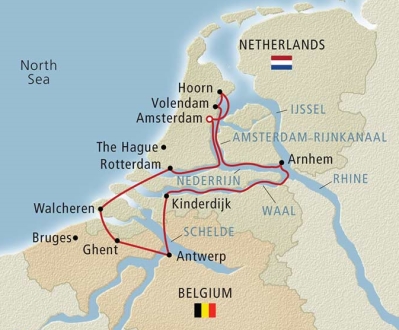
Written aboard the Longship Skadi on her voyage through Holland and Belgium with stops in Amsterdam, Kinderdijk, Antwerp, Bruges, Veere, Hoorn, and Arnhem. Thanks to Viking River Cruises for inviting us along and providing this adventure! As always, all opinions are our own.
Did you miss Dispatch One of this adventure? Click here to catch up!
Day Five: Bruges – Quaint Doesn’t Even Begin to Describe Her
Late Afternoon: A Steep Climb and a Giant Music Box
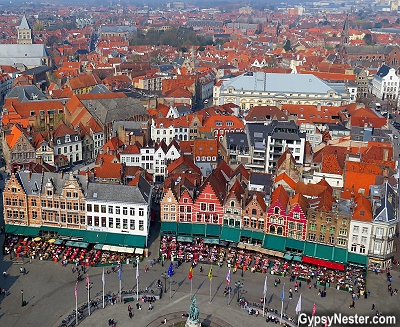
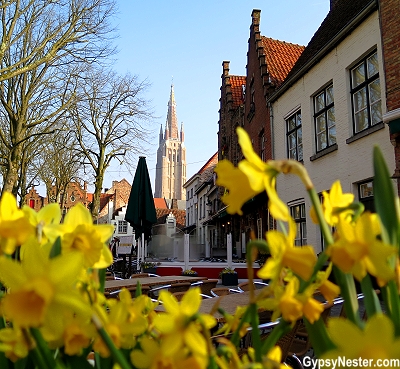
We can see where we had lunch from here!
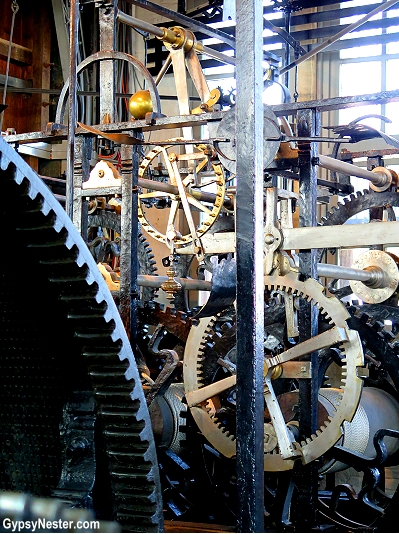
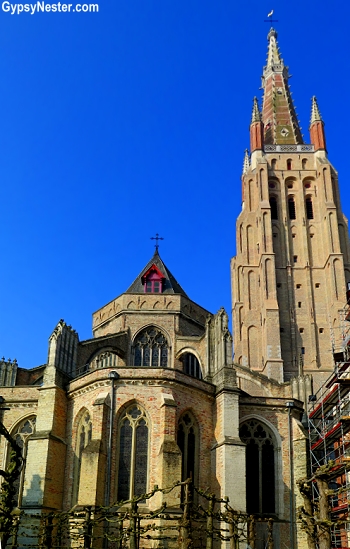
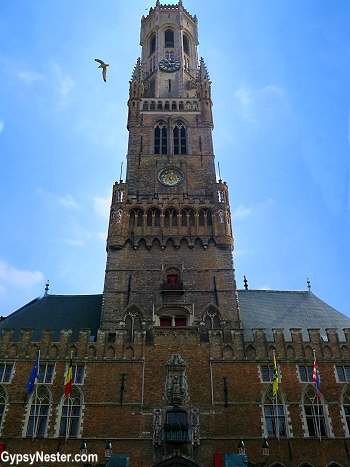
Strengthened by our repast, we are ready to ascend the tower and must say that seeing the clockworks, bells, and the carillon drum that controls the bells is well worth the sore legs we will have tomorrow.
Not to mention the view from the top.
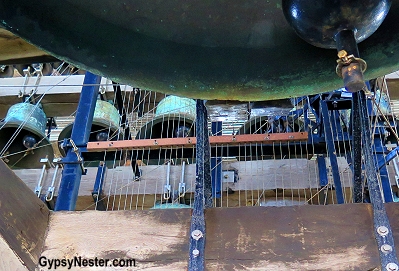
The forty seven bells of the carillon toll every fifteen minutes, so we make our first stop at the top and within a minute or two the bells are pealing.
It is certainly an eye, or more appropriately an ear, opening experience, but not as loud as we expected.
As the last of the bells reverberate, we take in the view from all angles before heading down one level to the drum room.
This is where the clockworks tick away, and soon the the nine-ton brass drum (the largest in the world!) that controls the ringing of the bells begins to turn.
The mechanics are like a giant music box.
The cylinder has more than 30,000 holes where pins are arraigned to operate the hammers that strike the carillon bells.
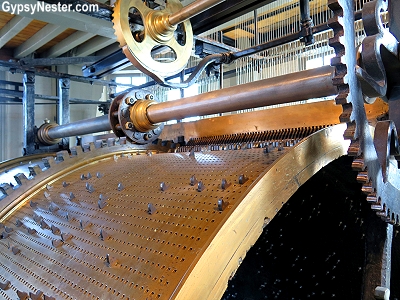
The huge wheel rotates as the bells ring out, but it only moves about a quarter of a turn.
Four songs are placed onto it, one for each quarter hour, and the pins can be moved and replaced to play different songs whenever it is desired.
We are simply fascinated, but time is running short. We need to scurry, but not too quickly, down the spiral staircase and catch the bus back to the good ship Skadi. Haste must be combined with care because if we started rolling down these stairs, we might never stop!
See more about our adventure in Bruges!
Evening: A Taste of Holland and Belgium
Back on board we are thrilled to discover that tonight’s dinner is a Taste of Holland and Belgium.
On each cruise, the chef prepares regional favorites from the area we have been sailing through.
On our past Viking excursions we have experienced a Taste of Austria while cruising the Danube, and a Taste of Germany while on the Rhine.
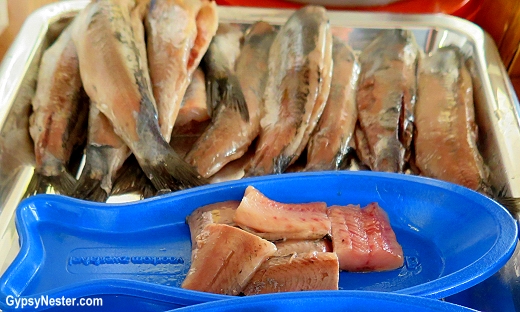
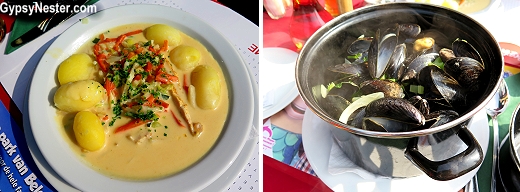
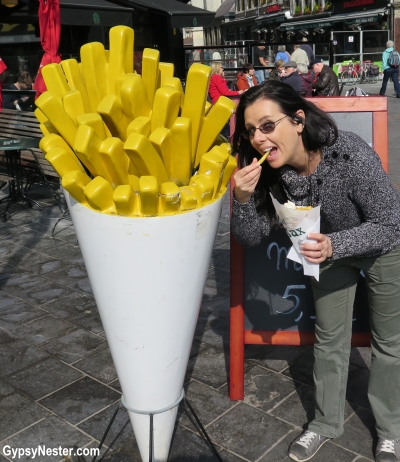
Tonight we sample several seafood dishes, including the typical Dutch herring, Dutch stew, meat & fish pies, Belgian fries, and even a bitterballen or two.
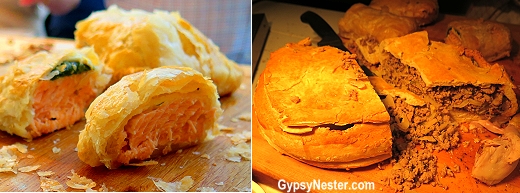
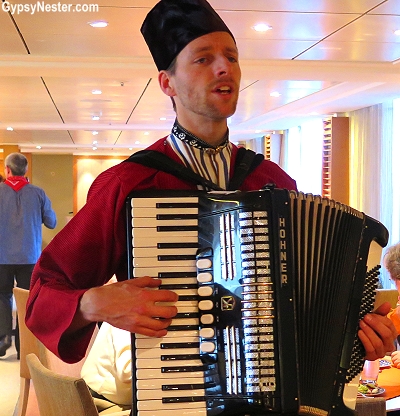
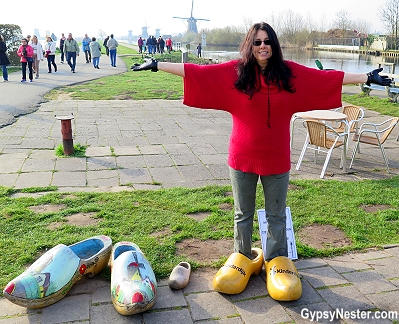
This is all accompanied by Belgian and Dutch beers, and traditional music from the Netherlands. We even spot wooden shoes on crew members!
Night: A Towel Animal! We LOVE Towel Animals!
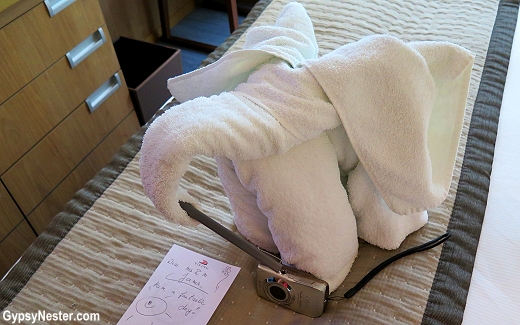
Hand made by our wonderful steward, Monika!
We’re not done yet! Continue along with us…
Day Six: Veering into Veere and How the Dutch Do Dry
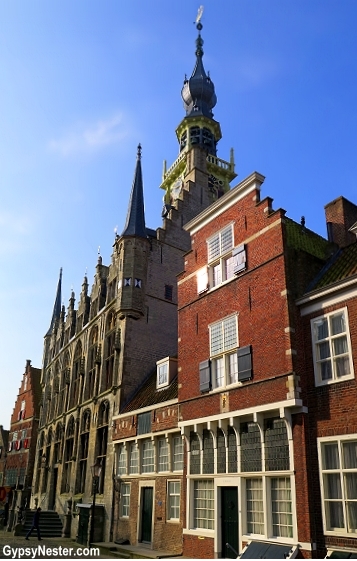
Morning: First, the Veer into Veere
Today our mission is to learn more about how the Dutch protect themselves against the ocean’s onslaught because over half of their homeland sits below sea level.
So we jump off the ship and on to the buses for a tour of the Delta Works, an ingenious system of enormous doors that hold the North Sea at bay.
But first we stop off for a quick look at the little village of Veere.
Once a prosperous fishing and trading port town, it is now a sleepy hamlet that can only be described as charming as all get out.
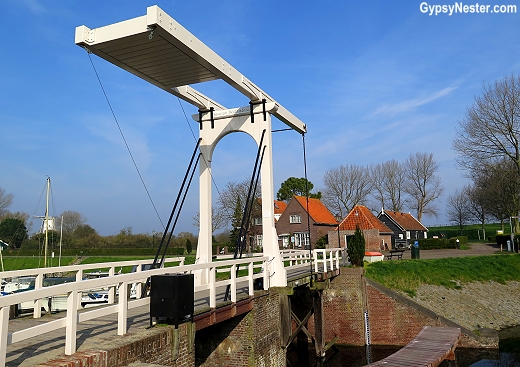
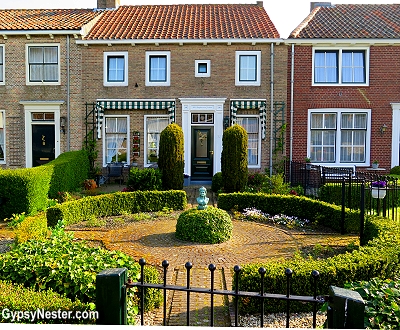
We are happy to simply stroll along the water by the marina that has replaced the old harbor, with a wonderful collection of private yachts and vessels on one side, and beautifully restored buildings on the other.
Many of these buildings housed small warehouses or guilds back in the old days, but have now been converted into stylish homes. These houses line the town square as well, and the whole hamlet is overseen by an ornate bell tower that would certainly do justice to a much larger community.
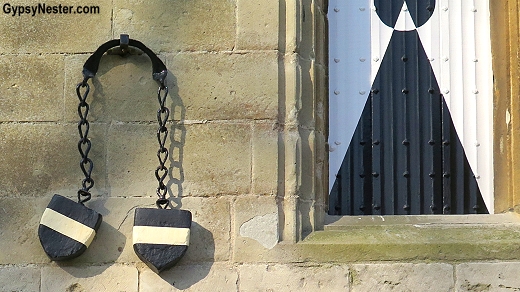
In the olden days – or days of yore – folks who misbehaved were made to walk around town with heavy-chained stones around their necks. Not wanting to be the guys that brought back the tradition, we are on our best behavior in Veere.
Afternoon: A Giant Project
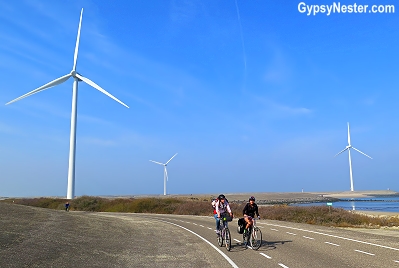
The Delta Works, or Deltawerken in Dutch, came about in response to a tragic flood throughout the Netherlands province of Zeeland in 1953.
The earthen dams and dikes protecting the islands and peninsulas gave way during an intense storm and over eighteen hundred people perished.
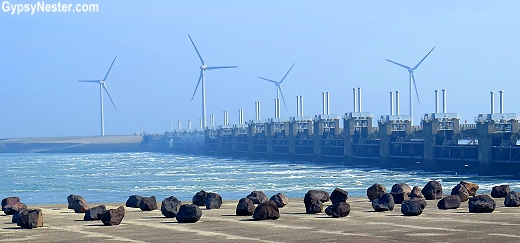
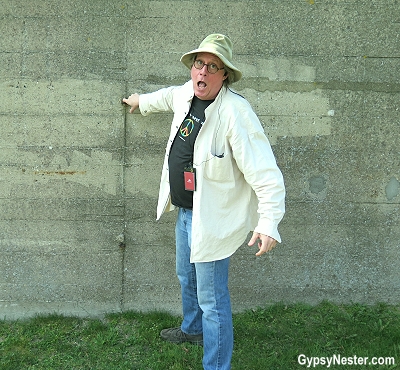
Huge hydraulic doors that can be closed when the weather turns nasty were built at three openings to the North Sea, preventing flooding tides from inundating the Lowlands.
The original idea was to simply dam the channels, cutting them off from the sea, but this would have destroyed the tidal ecology and ruined the shellfish industry that is vital to the area. By controlling the flow without stopping the tides, the mussels and oysters are thriving.
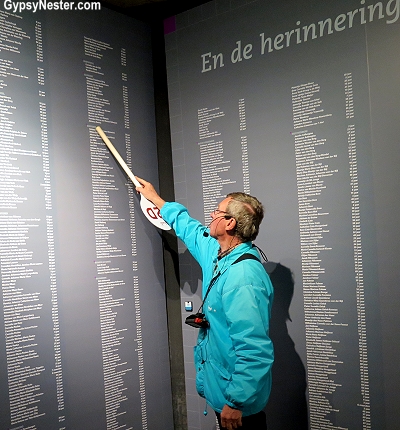
Jan shows us the people of his village who were lost
Near the giant sea doors, there is a museum about the history of the flood and solutions to the problems of keeping the seawater at bay.
We descend inside a caisson underneath one of the dikes, to get a truly inside look at the defenses built after the flood. In a stroke of amazing luck, and a rare, personal brush with history our guide, Jan, is a survivor of the disaster. Giving us a firsthand account, he described the night when he was eleven years old and the flood waters hit.
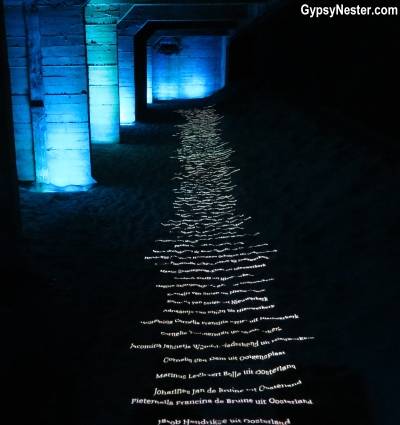
Beautiful memorial to the lost
Lucky for him, his family, and the entire town of Kortgene, his older brother and friends were up late celebrating a birthday and noticed the water rising.
Thinking fast, they saved almost all of the town’s residents by breaking into the church and ringing the bells to awaken them.
With the alarm sounded, people had a little time to climb to upper floors or roofs and survive. Across the low country many others were not so fortunate, as the water rose over ten feet in the middle of the night.
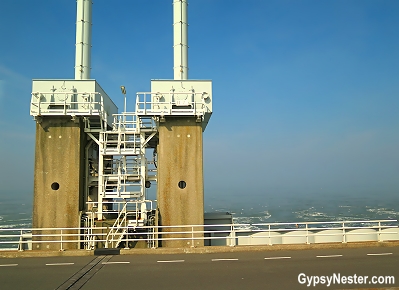
Driving along the top of the Delta Works
The tragedy gave birth to the huge Delta Works project, which was designed to withstand floods so severe that they are predicted to occur only once every four thousand years.
Hopefully those tolerances won’t be tested; so far the doors have only needed to be deployed a few times, other than the usual testing that is done four times a year. It is the largest storm barrier in the world and is the basis for several similar projects worldwide.
Evening: What do you do with a Drunken Sailor?
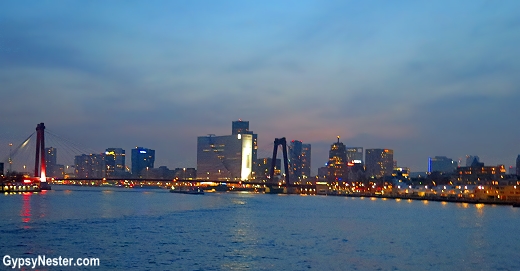
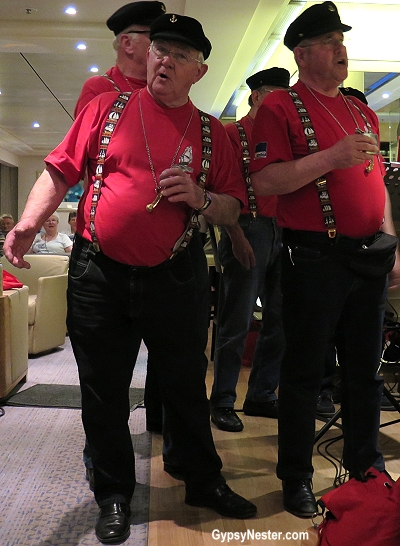
After dinner, the Skadi makes a stop in Rotterdam to pick up a little entertainment for the evening.
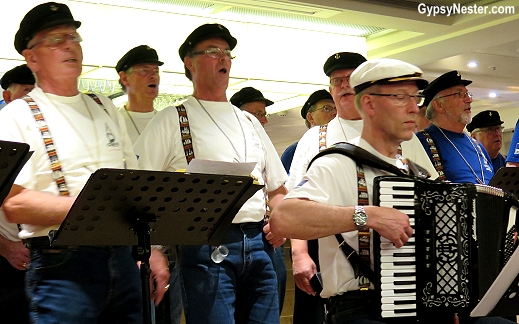
A Shanty Choir of about thirty seafaring mates sets up shop in the lounge and begins belting out a bevy of classic sailor songs, singing in multiple languages… sometimes it seems, all at the same time.
Just what does one do with a drunken sailor? They have plenty of ideas.
Day Seven: Opulence, Stroopwafels, and A Bridge Too Far
Morning: Market day and making stroopwafels
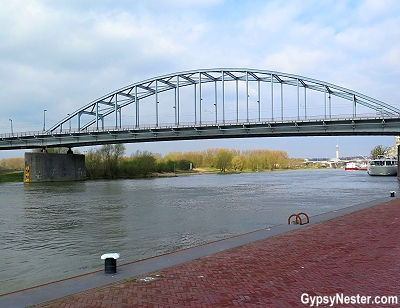
This morning we are docked below the bridge over the Rhine River at Arnhem.
The spot was the site of some of the fiercest fighting in the Netherlands during World War II. In September of 1944, Allied paratroopers were dropped into the occupied territory with the task of securing the bridge.
Many were off course and landed too far away to make it, but a small band succeeded in taking one side of the bridge. Without reinforcements, they could only hold it for a few days and ultimately had to surrender. The struggle was immortalized in the 1977 movie A Bridge Too Far.
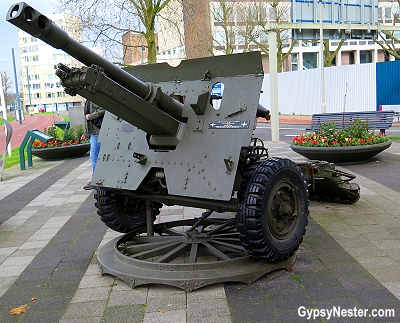
A few months later, the Allies returned to liberate the city and destroyed the bridge to keep the enemy from crossing the river. When it was rebuilt it was named the John Frost Bridge in honor of the commander of the paratroopers.
We walk under the bridge on our way into town and stop at The Jacob Groenewoud Park, named for the only Dutch officer involved in the operation, and linger for a few minutes over the photos and relics from the two separate attempts to free Arnhem.
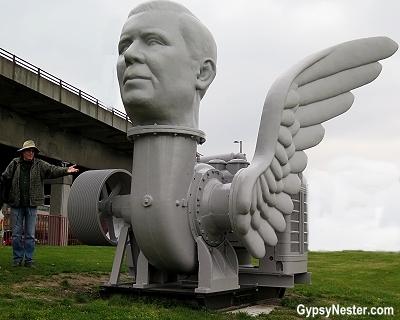
Near the park we spot Winged Diesel Man-Headed Turbo Chicken (not its proper name). We can only assume that the artist intended this as an metaphorical piece to represent something.
After asking numerous guides and failed Google attempts, we can only find out that it is very new.
A lot of speculation is bantered around on our walk into town. Is the the wing for paratroopers? The diesel engine for rebuilding? But why it was given a man’s head and put in the shape of a turbo chicken is beyond our comprehension. We love it when art prompts conversation.
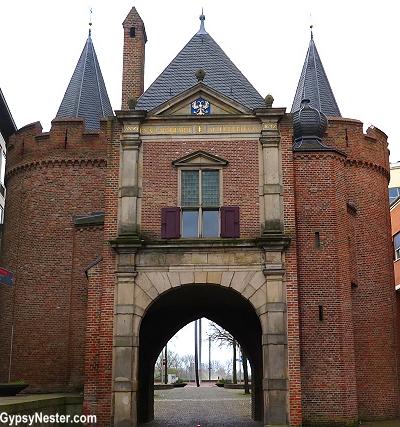
Continuing along the river, we come to the old city gate and hang a right into town.
This is the only one remaining of the four gates in the old walls, and it has been superbly restored. It feels like we are walking through a portal into the Middle Ages.
Unfortunately, very little is left in Arnhem from that era. Wars have ravaged the town, so most of the buildings are relatively modern.
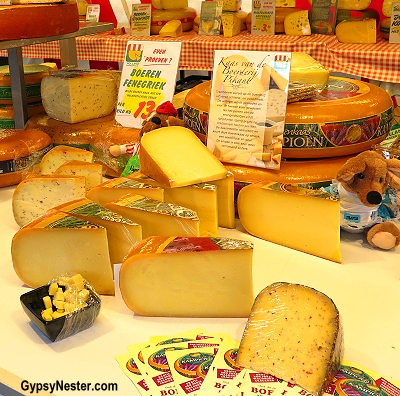
The square in front of the obscured Eusebiuskerk is buzzing with the weekly market in full swing.
As usual, within minutes we are wishing we had access to a kitchen so that we could cook up some of the fantastic looking meats, seafood, sausages, and vegetables offered at the dozens of booths.
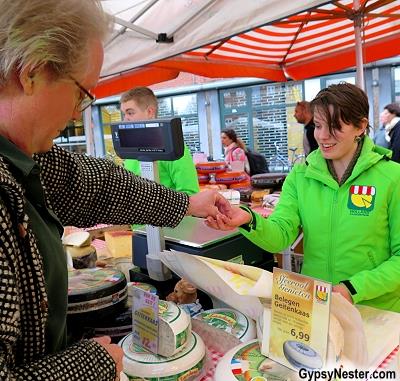
We have to settle for some cheese. Settle is probably not the right word, because the Dutch make some of the best cheese on the world.
We sample several varieties and choose an herb seasoned goat cheese and a classic Gouda, named for the nearby town.
As we wander deeper into the town we find a little shop with stroopwaffles being made in the front window. Our new friend and waffle master, is kind enough to demonstrate the process for us from start to finish. She begins with a small ball of dough, presses it in an iron, and in minutes creates a delicious treat.
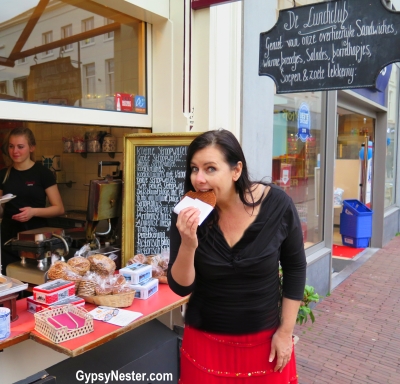
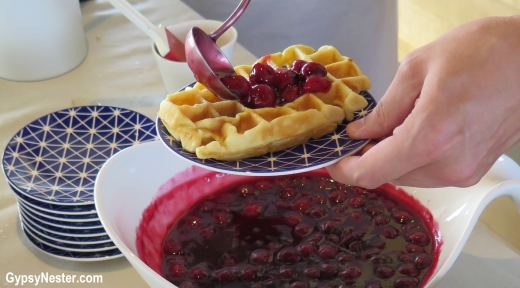
The final result is more of a cookie than a breakfast item, with caramel spread between two crispy waffle layers, that easily puts the average sandwich cookie to shame. Oreos won’t even dare to venture out of the bag in the presence of these babies.
Turns out that these amazing tongue ticklers originated in Gouda too, back in the 1800s, and that was the only place they were made for nearly one hundred years. Time was, when you wanted a stroopwafel, you had to go to Gouda.
Cheese and stroopwafels, Gouda must be Dutch for heaven.
Do you love cooking classes like we do? Click here to see our classes from around the world!
Afternoon: Into the Woods, but Hardly Roughin’ It
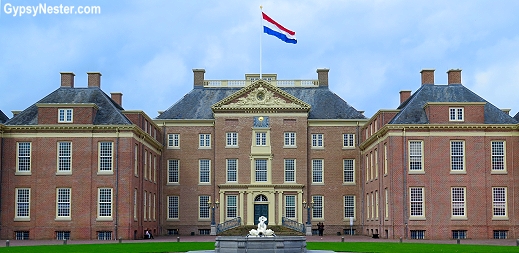
For the afternoon’s adventure we are heading inland a few miles to Paleis Het Loo, which means The Woods Palace. From 1684 until 1962 the House of Orange-Nassau, the Dutch royal family, used this as a residence and summer retreat. It is a museum now, but there are still official functions held from time to time.
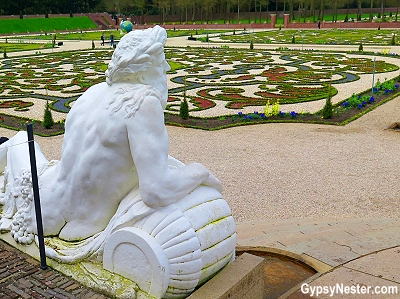
The design is classic European country palace, it certainly brings to mind Versailles, but on a smaller scale. Before going inside we walk around to the garden, which is also laid out in the typical royal residence style.
The main difference we immediately see is that the hedges forming the patterns are all very low. Our guide explains that a blight took a terrible toll on the plants, so they all had to be replaced.
The early spring weather we have enjoyed the past few days has given them a good start, but they still have a long way to go before anyone will be getting lost wandering among these hedgerows.
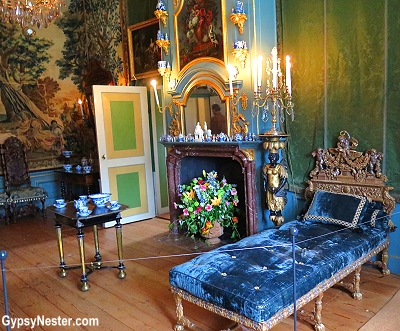
Inside the palace we find ourselves walking through what feels like a time capsule.
The rooms are perfectly preserved and, unlike Versailles, the furnishings were not destroyed or stolen away during a revolution, so opulent seventeenth century life is well represented.
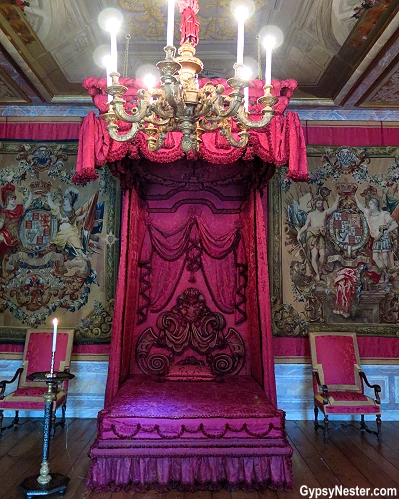
Many of the rooms show a working residence; the business of running the kingdom was addressed not only in studies and libraries, but even from the bedroom.
King Willhem III often suffered with ill health so he held meetings and did much of his ruling from his chamber.
As we proceed, we seem to be moving forward in time. The rooms start to show some modern conveniences, such as indoor plumbing with a shower and tub, and even heated towel holders in Queen Wilhelmina’s bathroom from 1904.
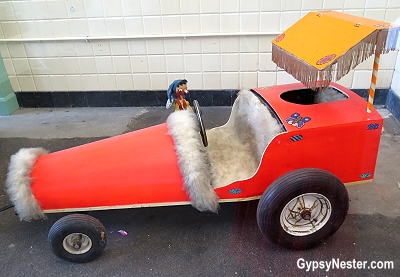
A little fur lined child’s car
We find some of the most interesting items of our tour in the old coach house next to the stables.
There are, of course, several very nice horse drawn carriages, including one that looks like Cinderella should be stepping out any second before it turns into a pumpkin, along with sleighs and automobiles.
The cars date back nearly a hundred years, but surprisingly they are very practical models. There’s not a fancy luxury car in the collection, mostly Fords, with a Fiat and Volvo or two.
We have heard many times on this trip how the folks from Holland are renowned for their thriftiness, and the family made efforts to connect with the populace, often seen riding their bicycles. What could be more Dutch?
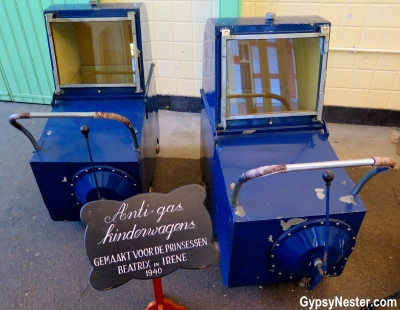
Right next to the cars we find a big surprise, two anti-gas kinderwagens.
The baby buggies were set up to protect child passengers in case of a gas attack. These were made during World War II because of the fear that gas would be used again, as it was in the first World War.
Happily, they were never put to the ultimate test.
Evening: The Way Things Work
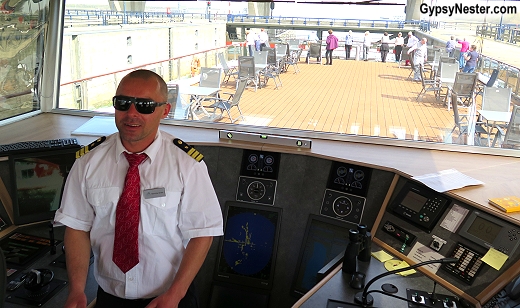
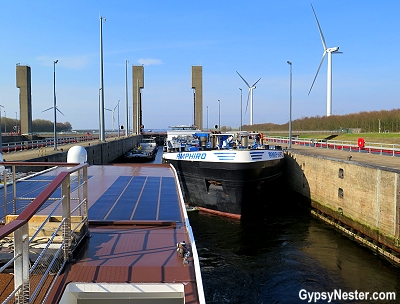
While we pass through a lock, we have a chance to check out the nerve center where all of the navigational functions of the Skadi are controlled.
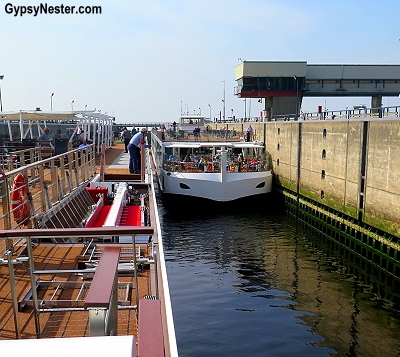
While the second officer skillfully pilots us through the narrow passage, the first officer walks us through all of the instruments.
Everything is computerized and state of the art. We can see the power applied to each of the ship’s four engines, and pinpoint our exact location on satellite GPS. The radar screen takes center stage to serve as the eyes of the ship in the dark of night or heavy fog.
We certainly feel that we are in good hands, and that is right in our wheelhouse.
Day Eight: Blowing our Hoorn, a Home Visit and Herring
Morning: Sunrise and dodging cannonballs
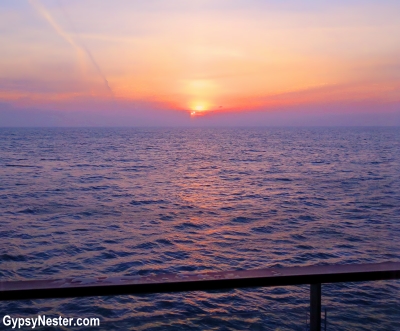
The view from our balcony
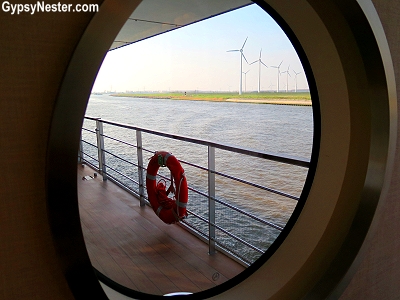
This morning we awake to a rare occurrence on a river cruise, there is no land in sight.
We are sailing across a former arm of the North Sea known as the Zuiderzee that is now a freshwater lake called IJsselmeer.
As part of their never ending battle against the water the Dutch dammed the bay in 1932 and within a few years water from the river Ijssel had replaced the saltwater.
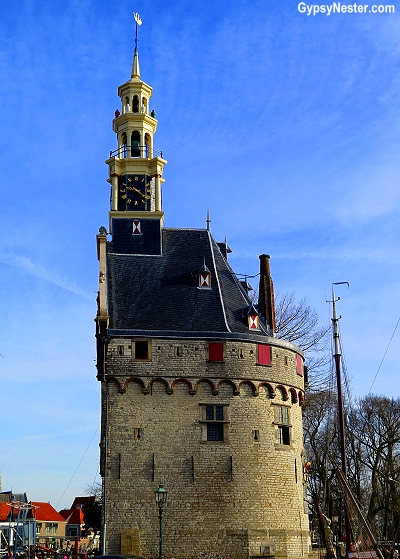
We dock at the town of Hoorn, which was a major port for the Dutch East India Company back when the sea was still accessible.
Now, instead of fishing boats and cargo vessels, the harbor is filled with cruise ships and private yachts.
The harbor is dominated by a defensive tower situated where any approaching enemy could easily be fired upon.
The stronghold and the side facing the water is curved into a semicircle to deny cannonballs a flat surface to crash into, and is covered with natural stone that is much better withstanding the sea. It has stood for centuries because it was ideally made so that both armaments and elements bounce off.
Afternoon: Pass the Herring Please
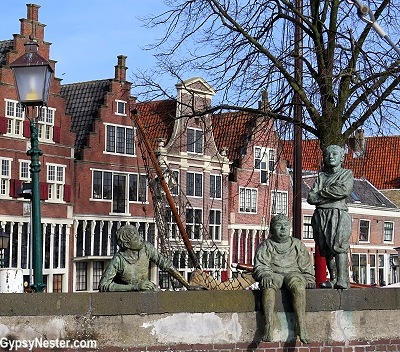
While Hoorn was a seaport herring was huge, and the salted fish has remained a staple of the Dutch diet for a long, long time.
We were willing to give it a try, so joining about a dozen of our shipmates we hit a little fish shop right on the harbor.
The shop had just about anything that comes from the sea available, but in order to get the full Dutch experience we would have to try the Dutch sushi… raw, salted herring.
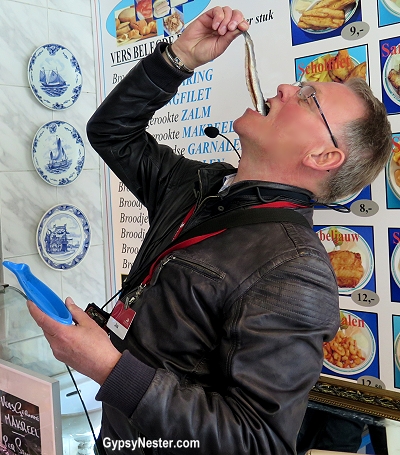
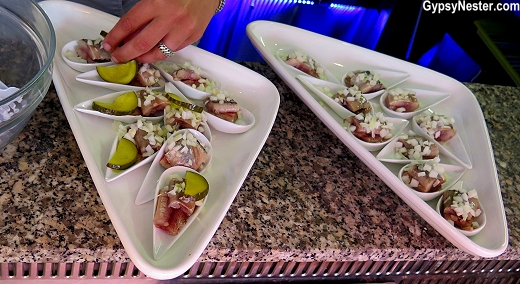
Traditionally, it is served with onion and pickle, which are we hoping will hide some of the fishy flavor, but the old salts will eat a whole fish with no accompaniments at all.
Our guide and former Hoorn mayor, Jos, shows us how it’s done by a true Dutchman.
Not feeling that brave, we opt for a couple of small pieces topped with pickle and heavy on the onion.
The fish is not that strong and is easily overpowered by the onion, but the texture, cold and raw, leaves a lot to be desired.
All in all we think we’ll stick with the stroopwafles!
See more about wonderful Hoorn!
Late Afternoon: Home and Punishment
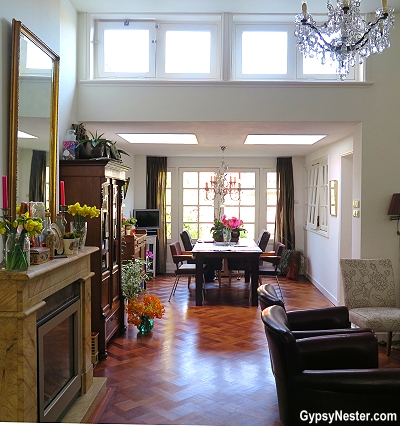
The folks at Viking have set up an interesting surprise for us today; the chance to visit a host family in their home.
This is an opportunity to see everyday Dutch life in a personal way, with people who are happy to meet travelers from around the world.
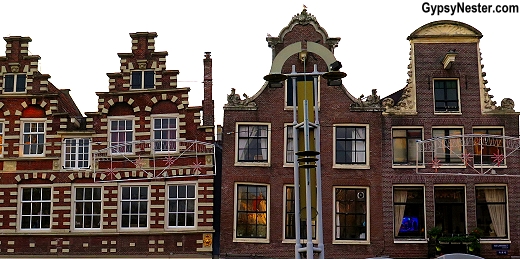
For us it was an exciting chance to see inside one of the skinny houses that have captured our attention all through Holland.
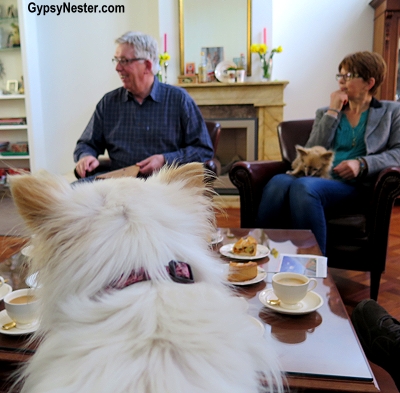
We are separated into small groups (can’t have the entire ship descending upon one house) and sent off to various houses.
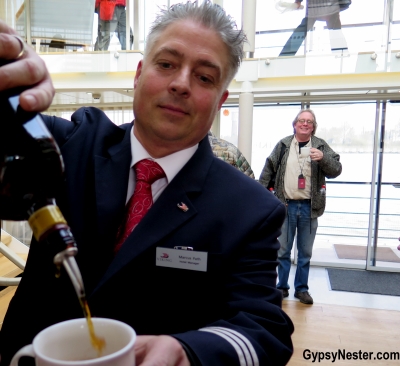
Our group is introduced to our hosts, Steef and Lia (Veronica thought about smuggling out her new buddy, Lola the lap dog, but then thought that it might be considered rude), and welcomed in to sit down for coffee, dog petting, apple pie, stroopwafels, and great conversation.
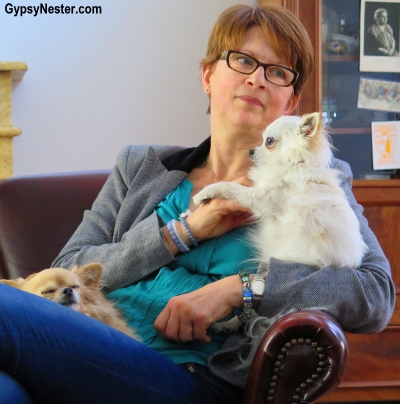
When we heard about this idea we were a little wary that this could be uncomfortable or seem forced, but within a few minutes we are all happily chatting about our families, travels, backgrounds, and even home improvements.
The two hundred year-old house is wonderfully remodeled, and Steef and Lia are pleased to show us their handiwork.
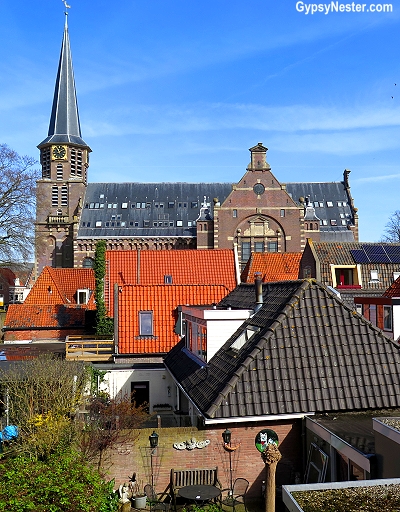
Time flies by and before we know it over an hour is passed and we need to clear out and let the couple enjoy the rest of their day.
Steef and Lia’s grandbaby will be coming by soon, so we say thank you and goodbye and go on our way with a much better understanding of what it is like to live in Hoorn.
See more about wonderful Hoorn!
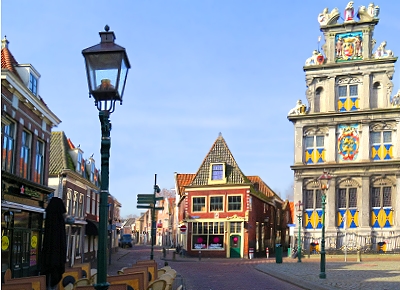
Hoping to continue that feeling, we walk over to the town’s main square, Roode Steen, to watch the afternoon activities and soak up some sun.
The name means red stone, as in blood red, because this was the site of public punishments for criminals.
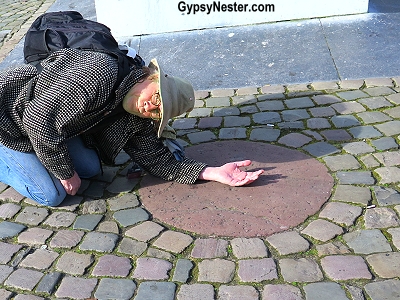
Often those judgments included removal of body parts, up to and including the head, and the stone took on the color of the spilled blood.
The round rock marking the spot today is a replica of the original, but that doesn’t stop David from mimicking a criminal about to lose his hand for thievery.
Veronica is too chicken to try, just in case the authorities have caught on as to how much she was coveting Lola the Lap Dog. It’s doubtful that justice is currently dispensed like this in Hoorn, but we’re not taking the chance.
See more about wonderful Hoorn!
Evening: Wooden Shoes are More Dangerous than we Imagined!
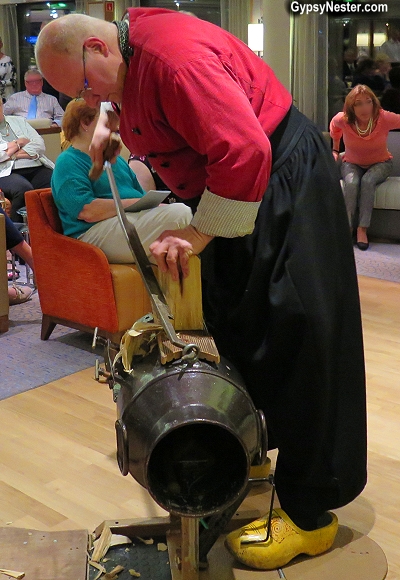
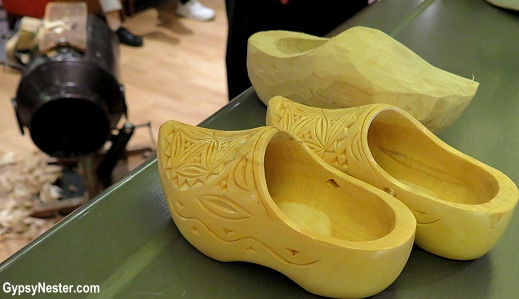
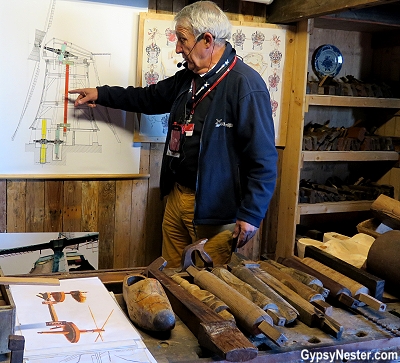
Back aboard the Skadi, we find a demonstration that looks as though it could easily include severed body parts as well – carving wooden shoes.
Very large, very sharp blades are involved, so we are glad to be interested observers but will stay at least an arm’s length away from the chopping.
In a surprisingly short time, a block of poplar takes the rough shape of a shoe.
Using various sized augers wood is removed to create a space for a foot, but as fast as the process is, it still would take a few hours to arrive at the finished product.
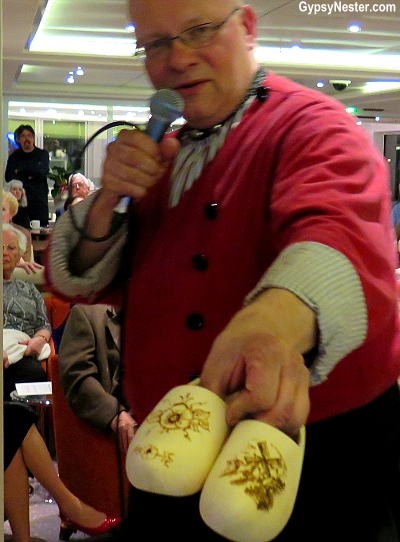
So using an old cooking show technique, a finished shoe magically appears from behind a counter. While we examine the shoes, we also learn more about wooden footwear.
In one form or another wood has been used as a shoemaking material for centuries.
There are several reasons for its popularity in Holland, it was much cheaper than leather, lasted longer, and proved to be better suited for the wet conditions.
Water can simply be poured out, and the shoe dries much faster. And everybody knows that dry feet are happy feet.
Dinner: A Happy Occasion
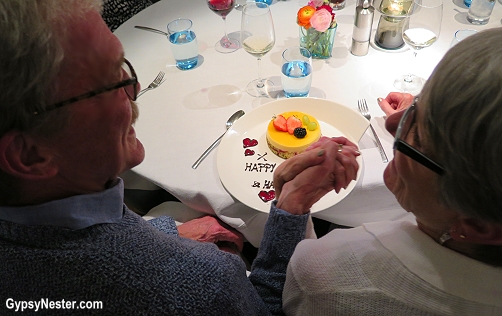
One of the best things that we’ve done on this sailing (so far) is to help celebrate this lovely couple’s 50th wedding anniversary!
Day Nine: Soooooo Many Flowers and a Farewell to Amsterdam
Morning: The Largest Flower Garden in the Europe
Today we are back in Amsterdam to finish our journey, but the bulk of our day will be spent just outside of town at the Keukenhof Gardens in Lisse.
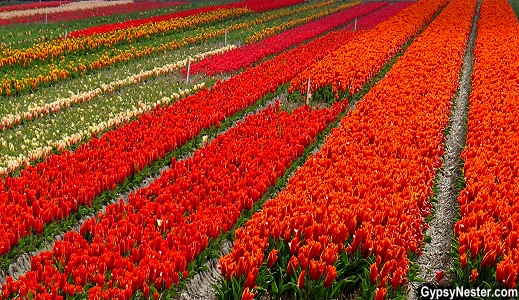
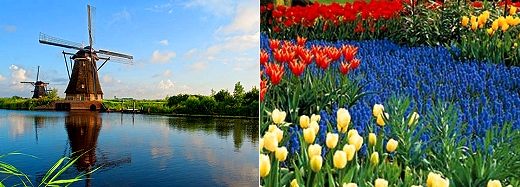
The area around the garden is filled with commercial bulb producers, so we were treated to fields of daffodils, hyacinth, and tulips as we ride in on the bus. The sun on the patchwork of scarlet, violet, and gold gives us a preview of what’s to come, but even they pale in comparison to the riot of color we find inside.
Keukenhof is Europe’s largest flower garden and each year millions of bulbs are donated by the local growers and arraigned in a theme.
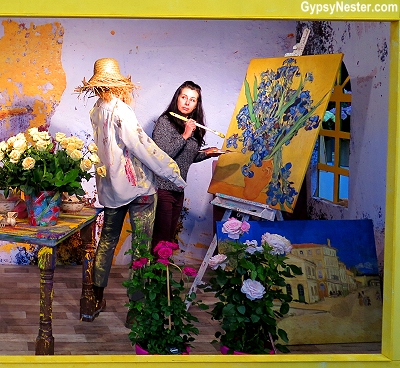
This year’s motif is Vincent van Gogh. Or as our guide pronounced it in the native tongue, van Gzchogqkthgh, she really puts the phlegm in Flemish.
Since bulbs bloom for a short time, the garden is only open to the public for eight weeks each spring, from mid-March to mid-May.
Once again our timing is impeccable, oh wait, perhaps Viking planned it this way. Yeah, that’s probably it.
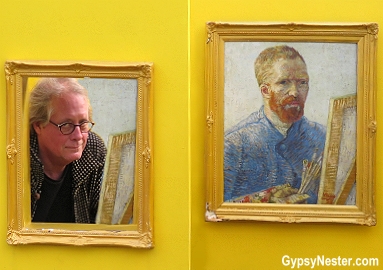
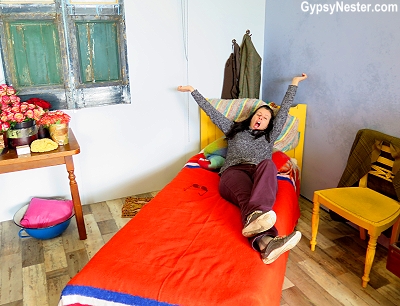
In keeping with the annual theme, the first exhibit features life sized creations of some of van Gogh’s famous works, and visitors are encouraged to step inside the art.
No way are we passing up a chance to be in a van Gogh, so we jump in with both feet.
Afternoon: Tiptoeing Through the Tulips. And Roses. And Daffodils. And…
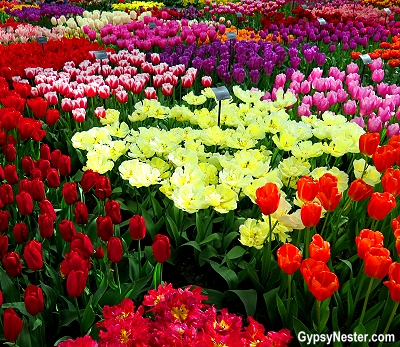
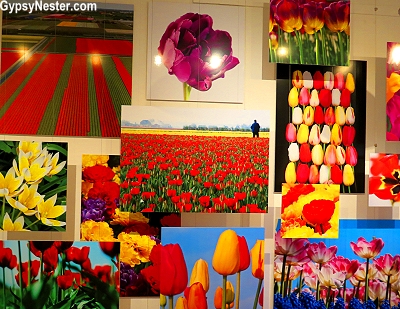
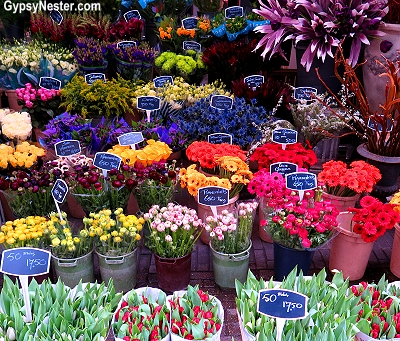
In the center of the garden there is an enormous greenhouse with an astounding array of every possible color of tulip we could ever imagine.
As we gawk our way through the rows, it is not only the variety of hues that is so phenomenal, but the assortment of sizes and shapes as well.
We spend the better part of an hour just going from one planter to the next examining all of the possibilities and combinations.
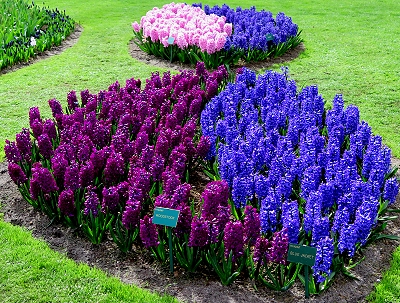
Tulips rule the day, but there is an impressive selection of daffodils and other bulbs flowers – many with multi-colored blooms.
These seem to be more plentiful outdoors though, since the tulips outside of the hothouse are not quite in full swing yet, whereas the others, which bloom a little earlier, are at their blossoming best.
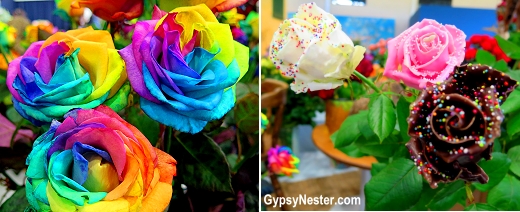
Rainbow and chocolate with sprinkles? Yes, please!
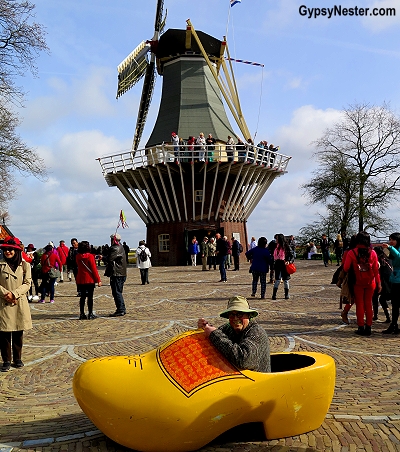
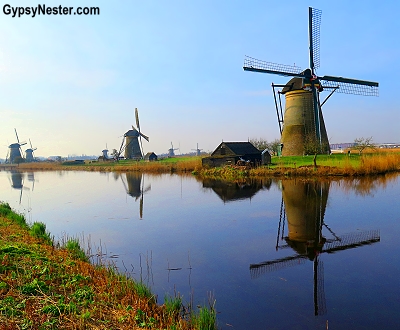
For an aerial view of the grounds, we climb up in the windmill.
While this may not be a working model like we have seen before, it does make for a mighty good viewing platform.
Keukenhof actually means kitchen garden, that is how it got its start, and there is still a small section of herbs growing beneath the windmill.
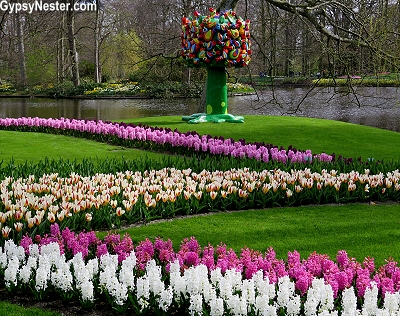
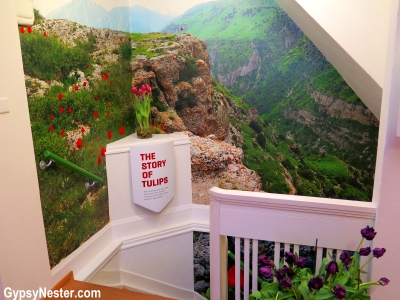
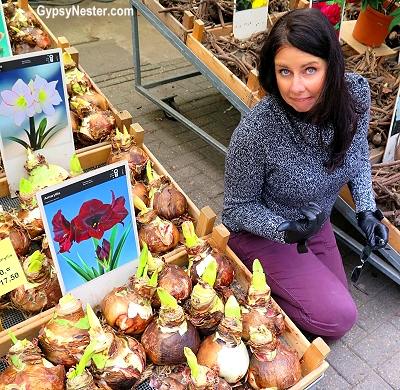
Our final stop, Tulipmania, gives a quick look at the history of the flowering bulbs, especially the incredible market bubble early in 1637.
Before the price crashed, a single bulb was selling for ten times an average worker’s salary. While it is hard to compare today’s dollars with seventeenth century guilders, that is easily over one hundred thousand dollars now.
A few months later, prices had fallen so far that people were eating the bulbs.
We’re happy to see that things have balanced out a bit.
 See more photos of this incredible garden!
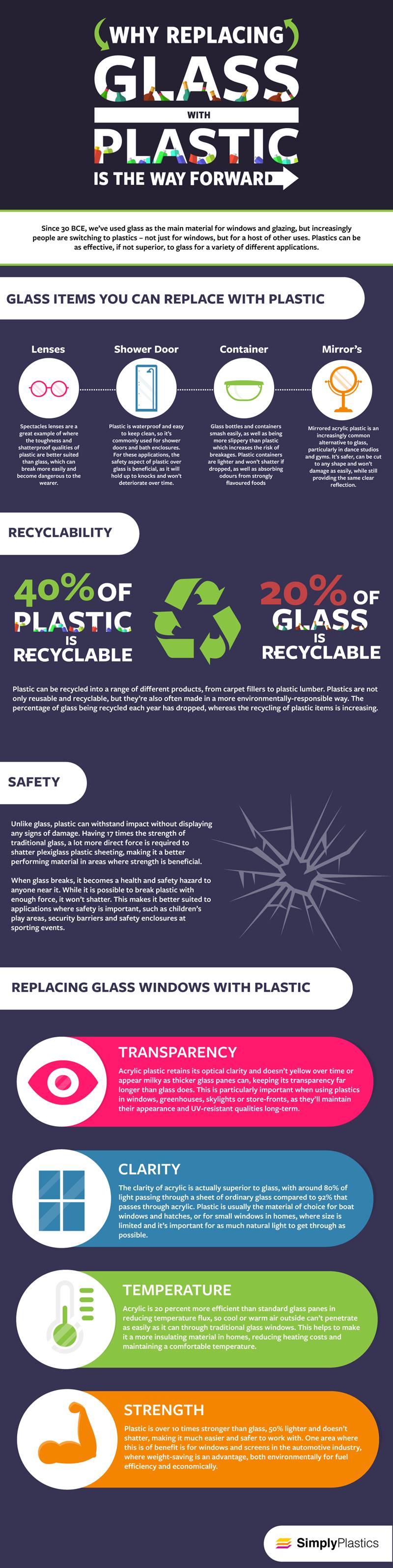
Gardening is very important but when you have a greenhouse it can be a pain to keep replacing the greenhouse glass, there are now alternatives to greenhouse glass which is great news as that means greenhouses will begin to look more modern.
(click the graphic to see larger version)
Evening: Reflecting on Amsterdam
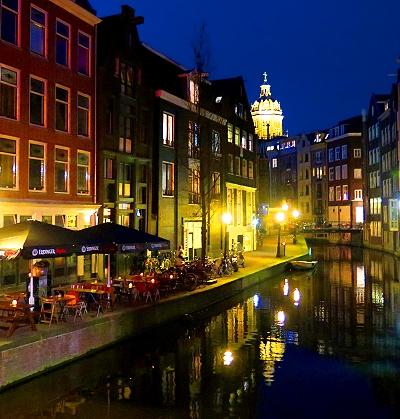
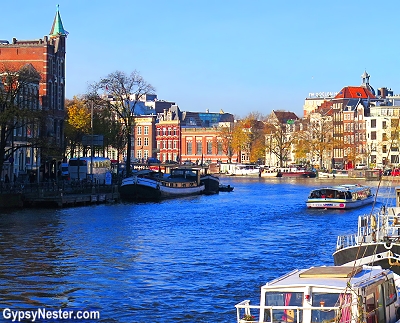
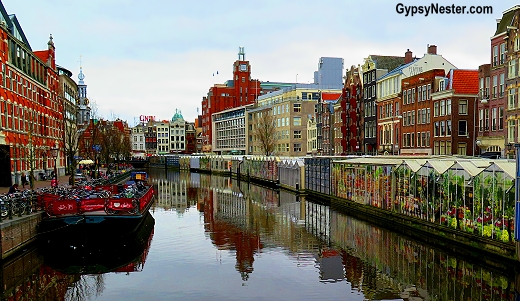
Before we leave Holland, we want to take a parting stroll through Amsterdam.
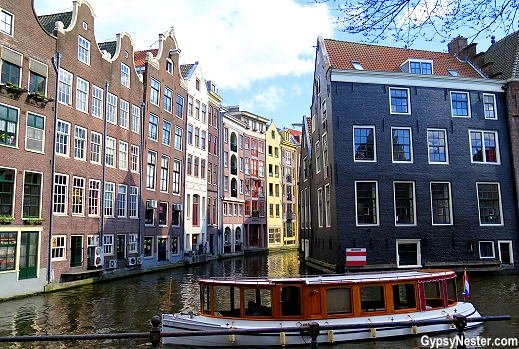
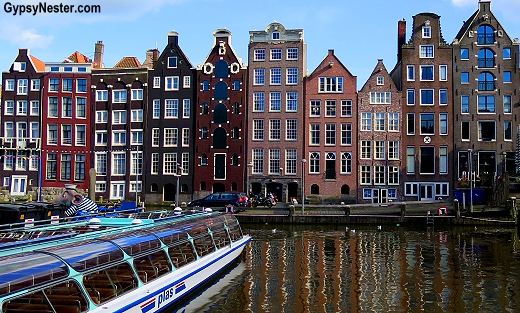
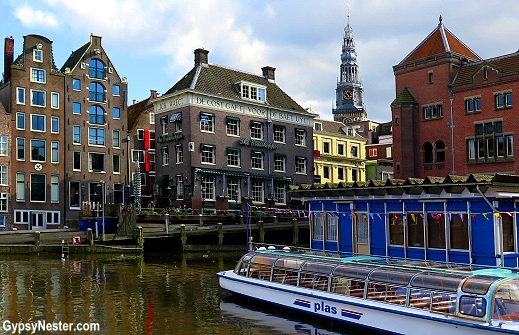
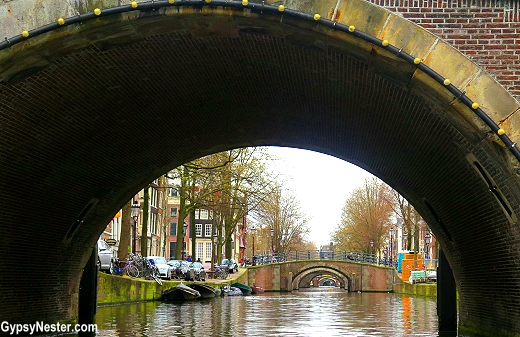
As with any city, the impression it leaves after dark is very different from the daylight hours. The city’s extensive system of canals become a series of reflective mirrors doubling the images of modern neon and illuminated ancient towers alike.
Even though the streets are still active, there is a much calmer air to the city, and a significant reduction in the number of bicycles whizzing by. This certainly makes us feel a little safer while we wander.
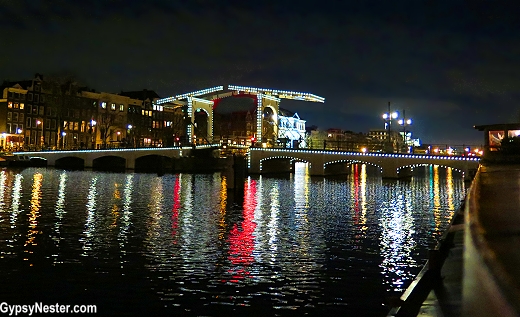
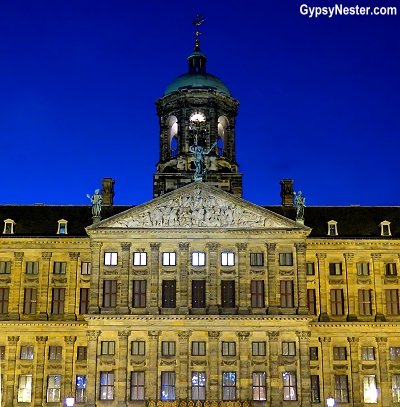
At a sidewalk café in Dam Square, the original site of the dam that gave the town its name, we linger over one last brew and watch the menagerie of people from all over the world pass by.
This is an incredibly international city, with an amazing array of languages being spoken at any one time.
That is just one of the many, many things we have come to love about it.
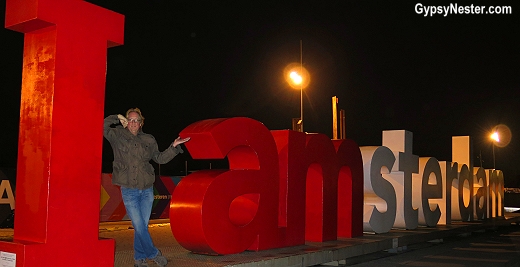
We return to the Skadi ready to bid adieu to the low country of both Holland and Belgium, with so many memories of so much that we saw and learned along the way.
Perhaps it is better that instead of farewell that we say, “till we meet again…”
Did you miss Dispatch One of this adventure? Click here to see it from the very beginning!
David & Veronica, GypsyNester.com
Written aboard the Longship Skadi on her voyage through Holland and Belgium with stops in Amsterdam, Kinderdijk, Antwerp, Bruges, Veere, Hoorn, and Arnhem. Thanks to Viking River Cruises for inviting us along and providing this adventure! As always, all opinions are our own.
This post may contain sponsored links.

 —
— 

 Our adventure by the bay began with a visit to one of the city’s newest nightspots,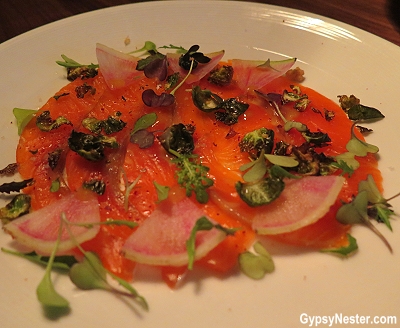
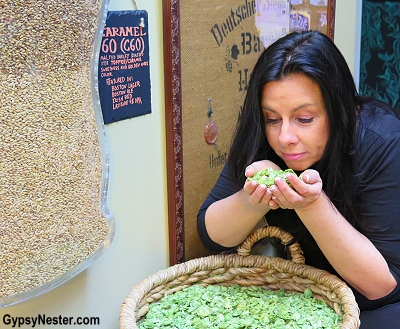
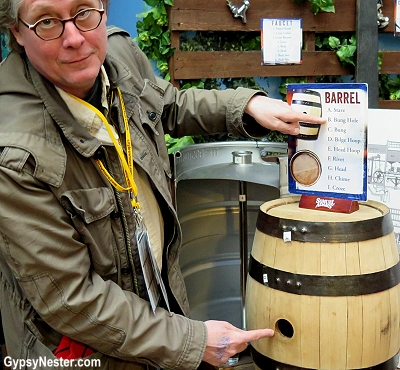
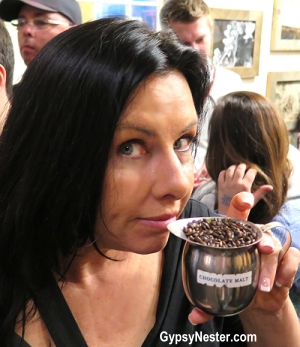
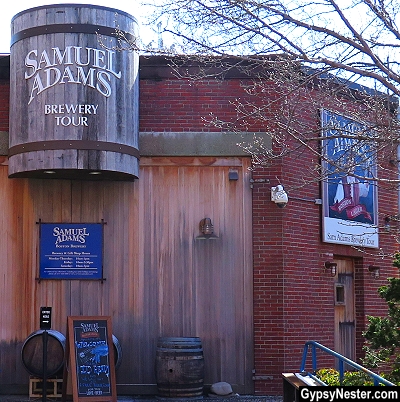
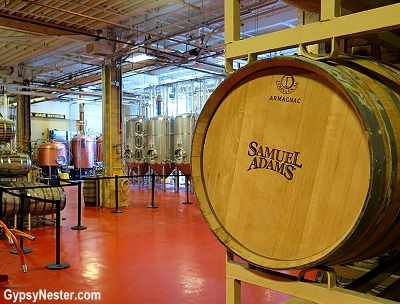
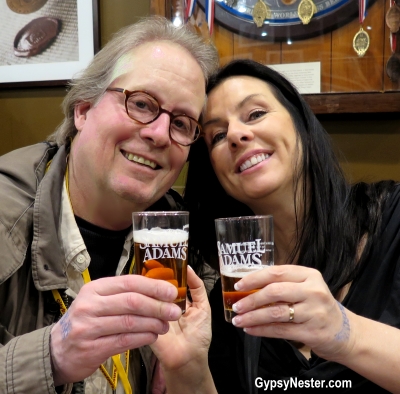 Then it was time to sample the finished product of the malted barley, yeast, water, and hops.
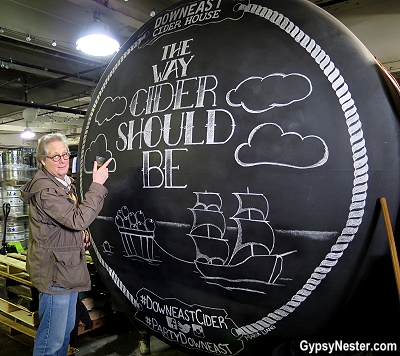 From the big dog of Beantown brewers, we made our way to an upstart that technically isn’t actually a brewery, but more Veronica’s cup of tea — or cider — the
 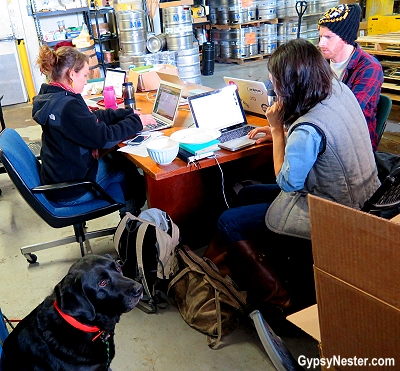 Before long the operation outgrew not only the room, but the orchard as well.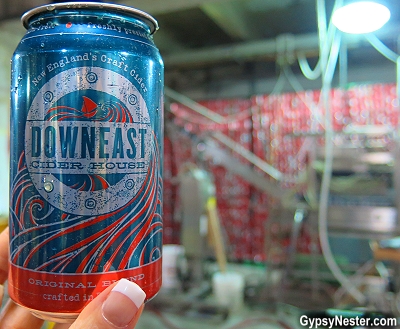
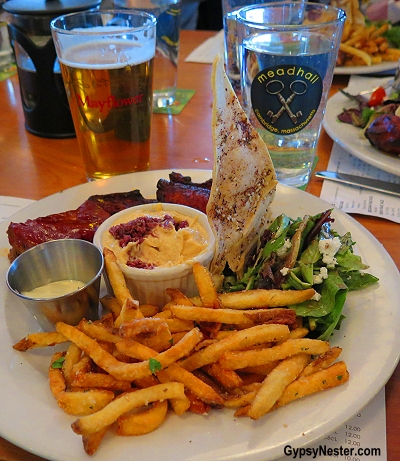 Lunchtime found us at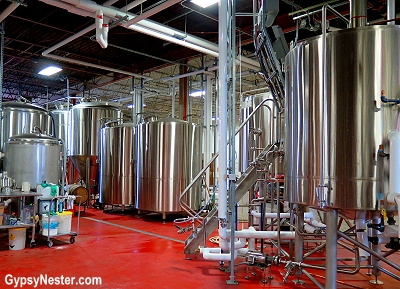
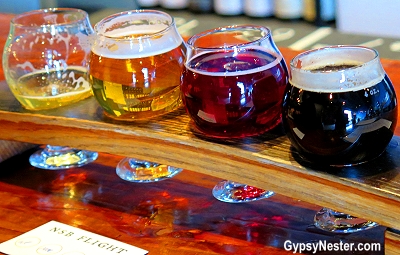 We began by trying Pfaffenheck, their pilsner, the only one of that style we had all day. It was crisp and light, yet still very flavorful.
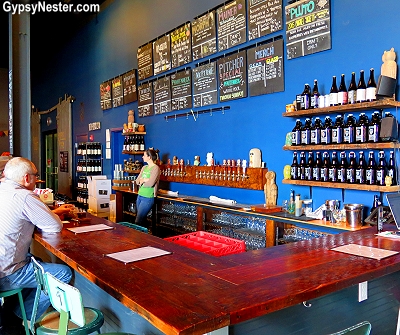 We ordered a glass of Mainer Weisse, aged with Maine wild blueberries and cinnamon sticks, to share with some of our new friends from the tour.
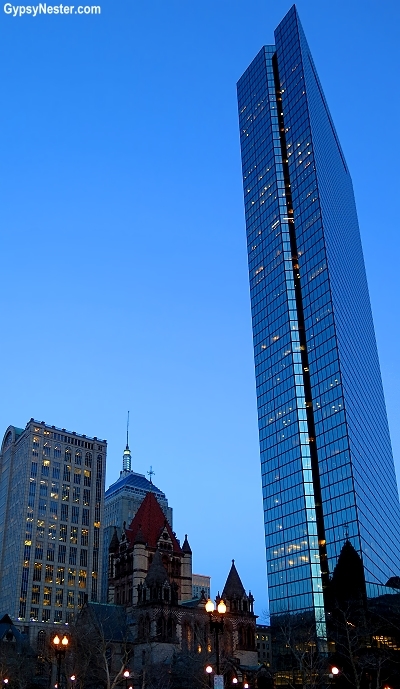 With our beer tour behind us, we were certain that a nap was our next order of business before making our way over to Copley Square.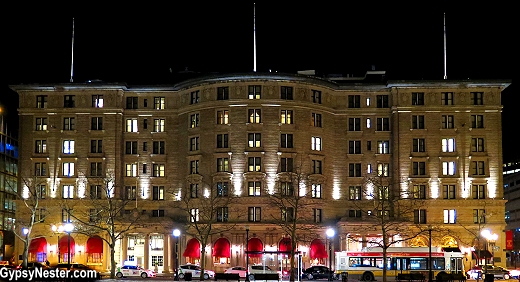
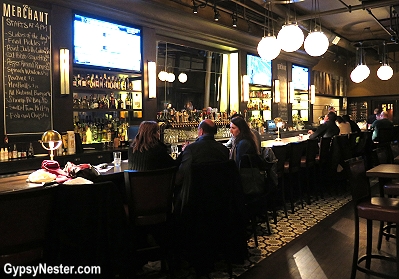
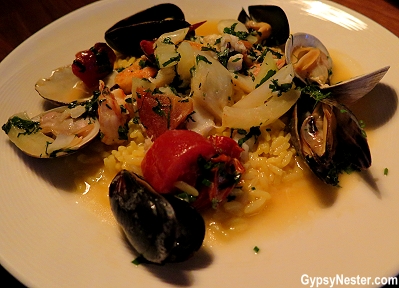
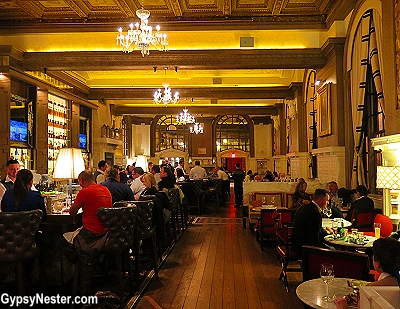 Our destination, right below the skyscraper, was the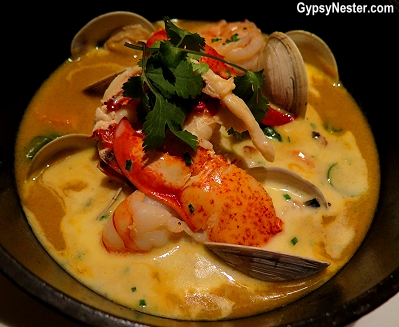
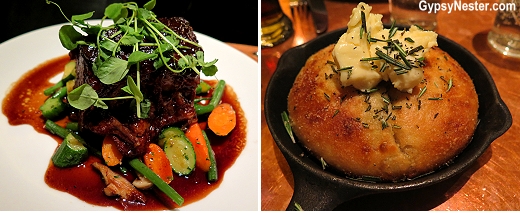
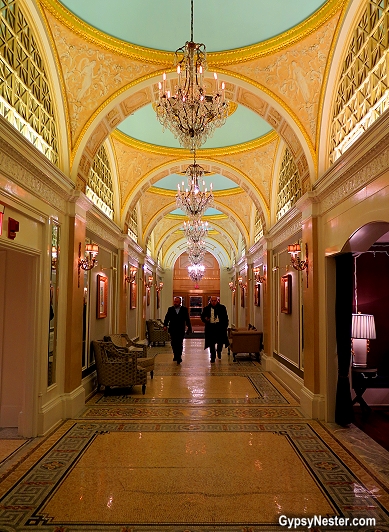 As an added treat, we had the hearth baked bread which came with homemade honey butter using honey straight from the bees that live on the roof of the hotel.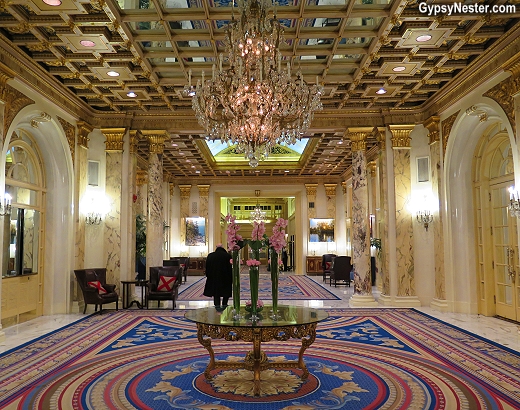
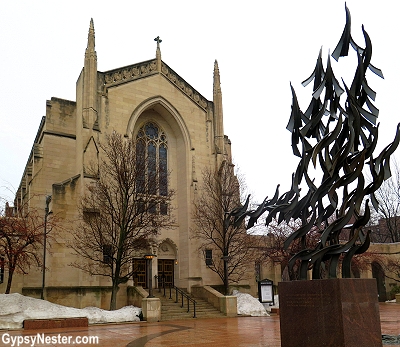
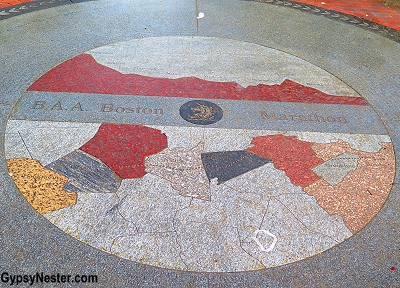 From there we returned to Copley Square for a look at the Boston Marathon Memorial, built to commemorate the hundredth running of the race in 1997.
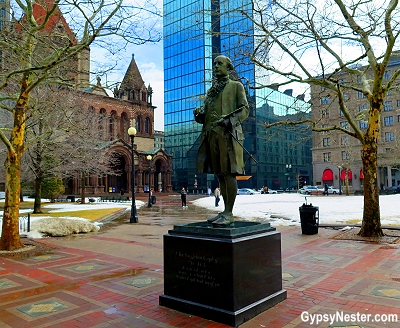 When we looked up, we realized that we had been standing on this very spot after dinner the night before without a clue. Sometimes it’s good to have a guide.
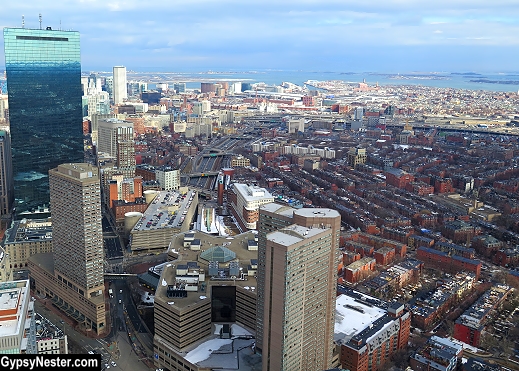
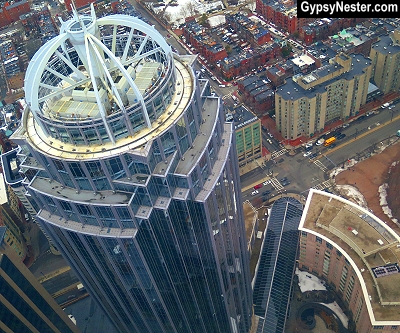 After the tour we headed back to Back Bay for the best possible view of the city. The Prudential Center Skywalk Observatory offers a complete 360 panorama of Boston from fifty stories up.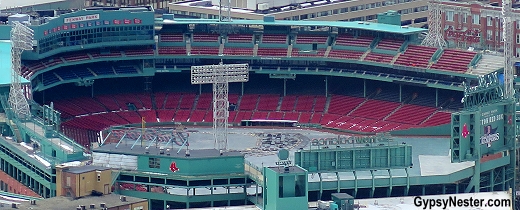
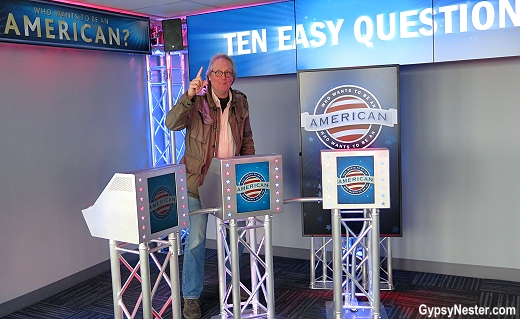
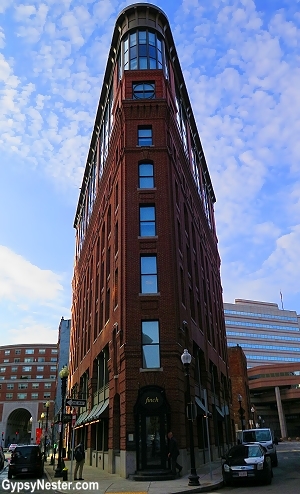 Before we left town, we wanted to get the lowdown on the incredible flatiron building that housed our hotel,
 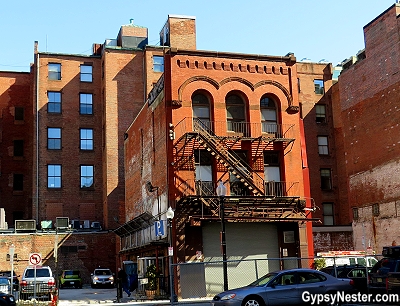 The rumors have it that Whitey Bulger hung around, and that he owned the little building across the street that somehow stands alone after all the others around it met with the wrecking ball.
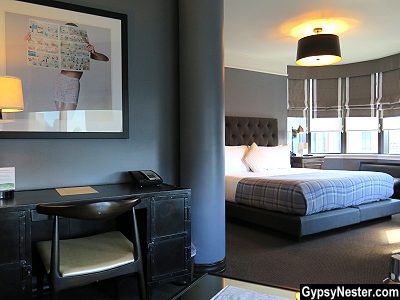 We may never know about the real Whitey, but we know for sure that during the filming of Black Mass, Johnny Depp was a guest at The Boxer while playing Whitey.