

Search…

Buying Cheap Instagram Likes in 2025: Does It Still Work — and Should You Try It?

You only have seconds to make an impression. Cheap Instagram likes give you the edge to stop the scroll, trigger interest, and get the ball rolling…
CONTINUE READING >>

You’ve seen it.

A decent post with just 12 likes… and another, nearly identical one, with over 500. Same quality, same niche — totally different outcome.

It’s not a coincidence. On Instagram, perception drives engagement.

That’s why creators and small businesses are still quietly doing what many won’t admit publicly: they’re buying cheap Instagram likes.

And in 2025, this strategy is not only still alive — it’s smarter, safer, and more widely used than ever. The question isn’t “should you?” — it’s “how can you do it right?”


Why Creators Buy Likes — And Why It Still Works

Let’s be honest: Instagram’s algorithm doesn’t care how hard you worked on your post.

What it does care about is how quickly your content gets attention.

When a post gains traction in the first 30–60 minutes — likes, views, saves, comments — the algorithm flags it as valuable, and starts pushing it to more users via Explore, Reels, or suggested content.

So if your content isn’t getting that traction? It’s not getting seen.

That’s where cheap Instagram likes can step in as a catalyst.

They work because:

    • People are more likely to engage with popular-looking posts
    • Brands evaluate you based on public engagement
    • Likes increase your chances of being pushed algorithmically
    • They’re cheaper than ads — and faster

What Do We Mean by “Cheap Instagram Likes”?

Cheap doesn’t mean “fake” — at least, not anymore.

In 2025, the market has matured. You can now get real-looking likes at budget-friendly rates:

      • 100 likes for $1.50–$2.00
      • 500 likes for under $6
      • 1,000+ likes for $10 or less (with refills)

These aren’t from bots or blank profiles (if you choose wisely). They come from semi-active accounts built to look realistic and avoid detection.

The price is low, but the value lies in how it’s delivered — gradually, safely, and with retention guarantees.


Where to Buy Cheap Instagram Likes Safely?

If there’s one place the Instagram growth community trusts, it’s Reddit.

👉 Trusted Reddit Thread: Where to Buy Instagram Followers and Likes

This discussion is full of real user reviews, side-by-side comparisons, and red flags. You’ll find:

    • Which sites offer good quality for low prices
    • Who provides refills if likes drop
    • Who to avoid (e.g., instant bot dumps or login scams)
    • Updated feedback as of 2025

No fluff. No affiliate gimmicks. Just actual experience.


Real Use Cases: When Buying Likes Makes Sense

You don’t need to buy likes for every post — but for strategic moments, they can work wonders:

    • 📣 Launching a product? Add 500–1,000 likes to your key promo post.
    • 🎥 Trying to push a Reel? Kickstart it with early likes to trigger visibility.
    • 🧵 Testing new content types? Compare the performance of similar posts with and without bought engagement.
    • 📈 Preparing for a brand pitch? Clean up your grid with high-engagement content.

Remember, it’s not about faking success — it’s about amplifying content worth seeing.


How to Buy Cheap Instagram Likes (Step-by-Step)

Here’s how to do it right:

1. Choose a Post That Deserves It

Likes work best when paired with:

      • High-quality visuals
      • Good caption/hooks
      • Relevance to your audience

📌 Best post types: Reels, carousels, product features, giveaways.


2. Pick a Realistic Volume

Here’s a safe range based on your current follower count:

Followers Recommended Likes
0–500 50–100
500–2,000 100–300
2,000–10,000 300–800
10k+ 1,000+

Avoid making posts go viral when your profile isn’t ready. Keep it believable.


3. Use a Vetted Provider

Choose a service from the Reddit discussion. Look for:

      • Gradual delivery
      • No password access
      • Drop protection/refills
      • Realistic profiles

💡 Avoid Fiverr-style one-off sellers — they often vanish after the first batch.


4. Monitor Results

Use Instagram Insights to track:

      • Reach
      • Saves
      • Shares
      • Profile visits

Many users report that one boosted post leads to a ripple effect across future content.


Are There Risks?

Minimal — if you’re smart.

⚠️ Avoid services that:

      • Deliver thousands of likes instantly
      • Use blank or “user-1234” accounts
      • Ask for your password
      • Don’t show a refund or refill policy

Instagram is unlikely to penalize you for a few hundred likes delivered responsibly. The real risk lies in looking obviously fake.


What It Won’t Do

Let’s stay grounded.

Buying cheap Instagram likes won’t:

      • Turn you into an overnight influencer
      • Replace the need for great content
      • Guarantee long-term growth

But what it can do is help you get noticed, faster.

It’s a tool — one of many in a smart creator’s toolkit.


Final Word: Cheap Likes Are a Spark — You Still Need Fire

In 2025, the game has changed — but the goal is the same: get seen.

With attention spans shorter than ever, you only have seconds to make an impression. Cheap Instagram likes give you the edge to stop the scroll, trigger interest, and get the ball rolling.

Use them strategically. Use them ethically. And most importantly — pair them with content that actually deserves attention.

When you’re ready to explore this strategy, do your research first:

👉 Check out the Reddit community’s real-world reviews

Because growth shouldn’t be expensive — just intentional.
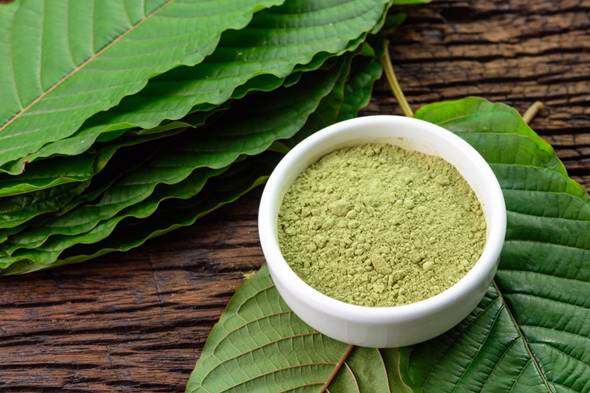
Kratom For Energy And Focus: All You Need To Know About Kratom

With its unique ability to enhance both physical and mental endurance, kratom offers a promising option for those seeking to overcome fatigue and enhance their focus in a natural way… CONTINUE READING >>

Individuals usually put off an important task just because they lack energy. Similarly, many US adults are generally tired and lack the power to do daily tasks. People are now switching to natural remedies and supplements to combat this situation. 

Many adults use kratom to boost energy and improve mental focus. This is because kratom promotes the release of dopamine, which makes you feel energized, and norepinephrine helps you stay alert and increases concentration.

But how to choose the right kratom strain?  

There are many kratom strains based on desired effects: Red for relaxation/pain relief, White for energy/focus, and Green for balance. Consider potency, personal preference, and experimentation for the best match. So, let’s get started.

Varieties Of Kratom For Energy And Focus

Kratom, known for its diverse effects depending on the strain and dosage, offers several varieties that are particularly favored for enhancing energy and focus. Each variety, distinguished by the color of the vein running through the leaf, provides a unique profile of effects:

    • White Vein Kratom

Description: White vein kratom is harvested from young kratom leaves and is known for its energizing effects. It’s often compared to a strong cup of coffee without jittery side effects.

Best For: This strain is ideal for individuals seeking a significant boost in energy, alertness, and concentration, especially useful for morning routines or when tackling demanding tasks.

    • Green Vein Kratom

Description: Green vein kratom strikes a balance between the stimulating effects of white vein and the relaxing effects of red vein kratom. It’s harvested at a more mature stage than the white vein.

Best For: Perfect for those looking for a moderate increase in energy and focus, coupled with a sense of calm. It’s well-suited for long working hours or studying sessions.

    • Maeng Da Kratom,

Description: Maeng Da is not a vein color but a specially bred variety of kratom considered one of the strongest. It’s known for its high potency and can be found in red, green, and white vein varieties.

Best For: Ideal for users looking for powerful effects in energy, mental clarity, and focus. White Maeng Da is popular among those who have a high tolerance to kratom or need extra motivation and endurance.

    • Thai Kratom

Description: Originating from Thailand, this strain is renowned for its stimulating effects. Thai kratom comes in red, green, and white veins, with the white and green varieties being the most popular for energy and focus.

Best For: Great for enhancing mood, increasing stamina, and improving focus. It’s favored by professionals and students who must stay energized and attentive for extended periods.

Tips for Choosing the Right Variety

    • Start Low and Go Slow: Begin with a lower dose to assess your tolerance and the effects on your body.
    • Consider Your Needs: Choose the strain based on the energy and focus you need. White vein is for high energy, green is for balanced energy and calm, and specific strains like Maeng Da are for potent effects.
    • Quality Matters: Purchase kratom from reputable vendors to ensure purity and effectiveness.

How Does Kratom Help To Improve Energy and Focus?

Kratom helps improve energy and focus through its interaction with the body’s opioid receptors, but it’s important to note that kratom itself is not an opioid. The key compounds in kratom leaves, mitragynine, and 7-hydroxymitragynine, affect the nervous system in a way that can enhance energy, mood, and focus. Here’s how kratom works to boost these aspects:

    • Stimulation of the Nervous System

At lower doses, kratom acts as a stimulant. Mitragynine interacts with receptor systems in the brain to produce stimulant effects, leading to increased energy and alertness, similar to the impact of caffeine but often described as smoother or sustained.

    • Enhancement of Mental Clarity

Kratom can increase the release of neurotransmitters like serotonin and dopamine, which are associated with improved mood and focus. This boost in neurotransmitter activity can help enhance cognitive functions, making tasks seem easier to concentrate on and complete.

    • Reduction of Anxiety and Depression

For some users, kratom’s mood-enhancing effects include reducing anxiety and depressive symptoms. By alleviating these conditions, kratom can indirectly improve focus and productivity, as individuals may find it easier to concentrate without the interference of negative mental states.

    • Energy Boost Without Jitters

Unlike some stimulants that can lead to jitteriness or a rapid heartbeat, kratom users often report a more balanced boost in energy. This is particularly beneficial for those seeking to increase their energy levels and focus without the side effects commonly associated with caffeine or other stimulants.

    • Improvement in Endurance

Kratom’s energizing effects are both mental and physical. Users often experience increased endurance during physical activities, making it a popular supplement among athletes or those with physically demanding jobs.

How To Choose The Right Kratom Vendor

Choosing the right kratom vendor is crucial for ensuring you receive high-quality, safe, and ethically sourced products. Here are some tips to help you make an informed decision:

Reputation and Reviews: Research the vendor’s reputation among users. Look for reviews on independent forums, social media, and the vendor’s website. Positive feedback from many users over a significant period is a good indicator of reliability. However, Happy Go Leafy is one such popular kratom vendor in the USA, providing you with the third-party laboratory products accredited by the International Organization for Standardization (ISO). 

Quality and Testing: The best vendors prioritize the quality of their kratom. They should provide detailed information about their product testing procedures. Look for vendors that test their products in third-party laboratories for contaminants, potency, and purity.

Transparency and Education: Trustworthy vendors are transparent about their sourcing, processing methods, and the strains they offer. They should also educate their customers about their products, including the effects of different strains, dosage recommendations, and any potential side effects.

Product Range: A wide range of kratom products (powders, capsules, extracts, etc.) and strains (Maeng Da, Bali, Borneo, etc.) can indicate a vendor’s commitment to catering to diverse preferences and needs.

Customer Service: Good customer service is a hallmark of a reputable vendor. They should be responsive, helpful, and willing to address any concerns or questions you might have about their products or services.

Pricing and Value: While price shouldn’t be the sole factor in your decision, it’s important to compare prices among vendors for similar products. Beware of prices that seem too good to be true, as they might indicate lower quality. However, exorbitantly high prices don’t necessarily guarantee superior quality.

Ethical Sourcing: Ethical sourcing practices are crucial for kratom’s sustainability and its growers’ well-being. Look for vendors who are transparent about where their kratom comes from and how it’s harvested.

Shipping and Return Policies: Review the vendor’s shipping options, costs, and return policies. A flexible return policy can be a sign of confidence in product quality.

Legal Compliance: Ensure the vendor complies with local and international laws regarding kratom sales. This includes proper labeling and not making unverified health claims.

Community Engagement: Vendors who actively engage with the kratom community through forums, social media, and advocacy efforts are often more invested in their customers’ well-being and kratom’s sustainability.

Conclusion: Does Kratom Help With Energy and Focus?

Kratom has emerged as a natural remedy for combating fatigue and enhancing focus, with many individuals turning to this plant for its energizing and cognitive benefits. By stimulating the release of neurotransmitters like dopamine and norepinephrine, kratom provides an energy boost and improved mental clarity without the jitteriness often associated with traditional stimulants. 

The variety of strains available, such as White Vein for intense energy, Green Vein for balanced energy, and Maeng Da for powerful effects, allows users to tailor their experience to their specific needs. However, selecting the right strain and dosage is crucial, as is choosing a reputable kratom vendor for energy to ensure product quality and safety. 

With its unique ability to enhance both physical and mental endurance, kratom offers a promising option for those seeking to overcome fatigue and enhance their focus in a natural way.

The Digital Nomad’s Guide: Integrating AI into Long-Term Travel

As a digital nomad, you’re constantly on the move, and AI can help streamline nearly every aspect of your journey. From planning and staying connected to managing your business and finances… CONTINUE READING >>

In today’s connected world, more people are embracing the idea of working from anywhere. Whether it’s sipping coffee in a Parisian café or lounging by the beach in Bali, the allure of long-term travel is intoxicating. But as any traveler may love the idea of becoming a digital nomad, it’s not always easy. The logistics of managing work, staying connected with your friends and family, and maintaining your business while exploring the world can feel overwhelming – or impossible. That’s where artificial intelligence (AI) comes in. AI can help streamline many aspects of your digital nomad lifestyle. Here’s how to integrate AI into your long-term travel plans and keep everything at home running smoothly.

1. Planning Your Trip with AI Travel Assistants

Remember when you used to flip through guidebooks and spent hours comparing flights and accommodations? Today, AI-powered travel assistants can handle it all. Apps like Google Assistant and Siri can help you with everything from booking flights to finding the best local restaurants in your next destination. And for those who prefer a more personalized touch, AI services like TripIt automatically organize your travel details into a single itinerary.

Not only does AI save you time, but it also ensures you never miss a beat during your travels. Whether you’re looking for hidden gems in a new city or need a quick flight update, these digital assistants have got you covered.

2. Stay Connected with AI-Powered Communication Tools

As a digital nomad, staying connected to family, friends, and clients is crucial. AI has made it easier than ever to maintain communication while on the move. From automated messaging systems to virtual assistants that can handle your email, AI is a game-changer for maintaining relationships and business connections.

For example, AI-powered tools like Slack and Zoom allow you to easily manage work-related communication with your team or clients, regardless of your location. Meanwhile, platforms like Grammarly ensure your emails and messages are professional and error-free, which is especially important when you’re juggling multiple time zones, a hectic travel schedule, tired from backpacking, and may have eaten bad sushi in Japan.

3. Managing Your Finances with AI

Probably something you haven’t thought about, but financial management is actually one of the most challenging aspects of long-term travel. Between currency exchanges, local taxes, and various expenses, it’s easy to lose track of where your money is going. Not to mention paying bills at home like credit cards, water bills, and cable bills. This is where AI-powered tools like Mint and YNAB (You Need a Budget) come in.

These apps use AI to track your spending, categorize expenses, and help you create budgets tailored to your travel lifestyle. They also provide valuable insights into your financial habits, helping you save money for future adventures. Additionally, Revolut and Wise offer AI-driven solutions for managing multiple currencies and avoiding excessive transaction fees when traveling abroad.

If you’re managing a small business while traveling, using AI for invoicing and accounting can save you hours. Tools like QuickBooks and FreshBooks use AI to automate financial tasks, such as generating invoices and tracking expenses, leaving you more time to enjoy your travels. Pro tip – set all of this up before you leave so you aren’t scrambling to manage finances while you’re scaling a mountain.

4. Keeping Your Business Running with AI Solutions

Whether you’re running a full-time business or working part-time as a freelancer, managing client calls and inquiries while traveling can be a challenge. That’s where AI-powered customer service solutions come into play. With services like Joy, you can set up an AI answering service to handle customer calls, ensuring you never miss an important inquiry, even when you’re on the go. These tools can answer questions, take messages, and even direct clients to the appropriate resources, all without you lifting a finger.

Voice AI services can also be used to create custom workflows for your business. This means that even if you’re on a remote beach, your business continues to operate smoothly, with virtual assistants and AI-powered systems handling everything from order confirmations to lead generation. Not that you want to be bothered, but with these AI answering tools, it’s easy to set up escalations for anything you absolutely need to be contacted about.

5. Exploring New Destinations with AI Recommendations

AI isn’t just about work—it’s also about enhancing your travel experience. While exploring a new city, AI-powered apps like Google Maps and Citymapper can offer real-time suggestions for the best routes, transportation options, and points of interest. These apps use AI to analyze traffic patterns, weather conditions, and even local events to help you make the most of your time in a new place.

For more personalized recommendations, platforms like Airbnb and TripAdvisor now use AI to suggest activities and destinations based on your previous preferences, making it easier to discover hidden gems and unique experiences in each location. Who has the best affogato in Florence? Best baguette in France? AI has your answer.

6. Staying Safe and Healthy with AI

Traveling long-term can sometimes put you in unfamiliar or risky situations. AI tools can help you stay safe by providing real-time alerts and information about potential hazards in your destination. Apps like Google Alerts can notify you about natural disasters or health outbreaks in the areas you’re visiting. Additionally, AI-driven health apps like Apple Health or MyFitnessPal can track your health and fitness goals while ensuring you stay in top shape during your travels!

Even your travel insurance can be optimized with AI. Many travel insurance companies now use AI to personalize your coverage based on your destination, length of stay, and activities. This ensures that you’re always covered, no matter where your adventures take you.

  1. AI for Long-Term Travel Planning: A Digital Nomad’s Best Friend

The beauty of AI in long-term travel is its ability to adapt to your needs. As a digital nomad, you’re constantly on the move, and AI can help streamline nearly every aspect of your journey. From planning and staying connected to managing your business and finances, these tools allow you to spend less time on logistics and more time exploring the world.

So, whether you’re a seasoned traveler or just starting your journey, integrating AI into your daily routine can make your travels smoother, safer, and more enjoyable. The world is your oyster, and with the right tools at your disposal, you’ll be able to make the most of every destination—no matter where you are in the world.

Thrills Without Big Bills: Top Budget-Friendly Adventures in the Smokies

We all need a break from the everyday hustle—something to recharge the spirit, reconnect with nature, and enjoy quality time with those we love. But the idea of a vacation often comes with financial stress. Between travel, lodging, and attractions, costs can add up quickly. Fortunately, not all vacations need to empty your wallet. The Great Smoky Mountains are proof that adventure doesn’t have to be expensive. This region blends stunning mountain scenery, rich culture, and outdoor fun—all on a budget. Whether you’re traveling solo, with family, or on a romantic escape, the Smokies offer memorable experiences at little to no cost.

In this guide, we’ll explore seven exciting and affordable adventures that make it easy to experience the magic of the Smokies without breaking the bank.

1. Discover the Smokies by Car on Roaring Fork

Located just outside Gatlinburg, the Roaring Fork Motor Nature Trail offers an unforgettable drive that’s completely free. This 5.5-mile, one-way loop brings you face-to-face with the natural wonders of the Smokies, from ancient trees and rushing streams to historic log cabins and weathered mills.

The trail is ideal for visitors who want a more relaxed pace. You can stop at scenic overlooks, explore short hiking paths, or enjoy a picnic along the way. It’s perfect for families, especially those traveling with kids or older relatives who might prefer less walking. It’s also a fantastic option for a low-cost afternoon adventure, with no admission fee or need for expensive gear.

2. Wild Rides and Big Views at SkyLand Ranch

SkyLand Ranch in Sevierville is more than just a scenic spot—it’s a full experience that no one can soon forget. What sets it apart is the balance it strikes between thrills and tranquility. One of its major draws is the Wild Stallion Mountain Coaster, one of the longest coasters in the Southeast. Unlike fast-paced amusement park rides, this coaster lets you control your speed. You can zip through the mountain curves or slow it down and take in the landscape.

But that’s only part of what makes SkyLand Ranch special. The ranch also features a scenic chairlift, a mini animal barn, and live entertainment that rotates throughout the season. What more could you want?

SkyLand Ranch makes it easy to stay on budget, too. By purchasing tickets online, visitors can unlock special discounts. Combo tickets allow you to save $7, and if you have a SkyLand Ranch Annual Pass, you can get 10% off on food and drinks as well as retail items!

3. Discover Hidden Gems at Metcalf Bottoms

If you’re looking for a peaceful place to enjoy the Smokies without crowds, Metcalf Bottoms should be on your list. This lesser-known spot is a local favorite for a reason. Metcalf Bottoms offers picnic areas beside a gentle river, making it ideal for families looking to relax or play in the water.

There’s also a short trail leading to a historic one-room schoolhouse, giving visitors a glimpse into the area’s past. It’s a great blend of nature and history—without any admission fees. Bring lunch, wade in the water, and take in the simple charm that this hidden gem offers.

4. Hike to Cataract Falls

Not all memorable hikes have to be long or strenuous. The trail to Cataract Falls is a gentle, shaded path that begins near the Sugarlands Visitor Center. At just under a mile round-trip, it’s ideal for children, seniors, or anyone just looking for a quiet walk. The route winds through rich woodlands and follows a creek, ending at a peaceful, cascading waterfall.

It’s a perfect stop for first-time visitors to the park or those with limited time. And since it’s near the main visitor area, you’ll find restrooms, parking, and helpful information nearby—all at no cost.

5. Explore the Arts and Crafts Community Loop

The Arts and Crafts Community Loop in Gatlinburg offers a different kind of adventure—one that taps into the rich creative traditions of the Smokies. This 8-mile trail features dozens of studios and shops run by local artisans. Visitors can watch pottery being shaped, woodwork being carved, or even try their hand at some of the crafts.

There’s no fee to drive the loop or enter the shops, and many artists offer free demonstrations. You don’t need to spend much to enjoy the experience. And if you do decide to bring home a handmade souvenir, you’ll know it supports a local craftsperson directly.

6. Go Wildlife Watching in Cades Cove

Cades Cove is one of the most iconic destinations in the Smoky Mountains—and for good reason. The wide, flat valley is surrounded by mountains, making it one of the best places to spot wildlife. It’s not unusual to see deer, wild turkeys, and even black bears during a slow drive around the 11-mile loop road.

The area also features several pull-off spots, historic churches, and old homesteads that tell the story of early life in the cove. You can bring a picnic, take short hikes, or simply enjoy the views. And since it’s part of the national park, entry is completely free. Just be sure to go early or late in the day for the best chances of seeing animals—and to avoid the crowds.

7. Watch the Sunset from Kuwohi

Kuwohi is the highest point in the Great Smoky Mountains National Park. On a clear day, you can see for miles in every direction. The paved half-mile walk to the observation tower is steep, but the payoff is incredible—especially at sunset.

As mentioned earlier, there’s no entrance fee to the park, so this epic view comes at no cost. Just remember that temperatures are much cooler at the top, even in summer, so bring layers. It’s also smart to arrive a little early to find parking and claim a good spot.

A trip to the Great Smoky Mountains doesn’t need to come with financial stress. With its mix of natural wonders, rich history, and local flavor, the region offers a surprising amount of value. Whether you’re riding a mountain coaster, spotting wildlife at Cades Cove, or enjoying views at Kuwohi, the Smokies prove that you can have fun, make memories, and stay on budget.

The key is knowing where to go—and now you do. So pack your bags, leave your worries behind, and head to the mountains, where the best adventures don’t come with a big price tag.

Why the Best Trips Are the Ones That Feel Like a Reset, Not a Race

Travel used to mean freedom. But for a lot of people, it’s turned into a race. There’s a growing pressure to “make the most” of every trip. That usually translates into checking off landmarks, snapping pictures, and keeping a tight schedule. Instead of feeling recharged, most travelers return home drained.

There’s nothing wrong with wanting to explore. The problem starts when travel stops being enjoyable and starts feeling like a task. That’s where reset-style travel comes in. It’s less about how much you do and more about how it makes you feel. Slower travel gives you space to breathe, to take things in, and to enjoy the present.

Some destinations are better suited for this kind of trip. Bandera, Texas is one of them. It doesn’t overwhelm you with options. It invites you to take your time. Known for its small-town charm and open skies, Bandera offers a different rhythm—one that gives you permission to slow down.

Slowing Down in the Right Place

When your goal is to relax, the setting matters more than anything. Cities can be exciting, but they move fast. Smaller towns give you room to pause. They make it easier to put your phone away, skip the lines, and actually enjoy the moment. A place like Bandera works so well for this because it feels grounded. Life there doesn’t rush.

The town is surrounded by scenic views, quiet trails, and peaceful water spots. It’s the kind of place where you wake up to still mornings, not car horns. That energy affects how you travel. You find yourself doing less, but enjoying more.

Where you stay makes a difference, too. Accommodations that reflect the local vibe help set the tone for the entire trip. For those looking to disconnect and enjoy a genuine escape, Bandera Texas resorts like Riverwalk RV Resort offer exactly that. Tucked near the Medina River, it offers clean, well-kept grounds, modern amenities, and a peaceful environment that feels miles away from the noise. Guests often mention how easy it is to unwind there—whether that means sitting by the river, grilling outside, or simply enjoying the quiet.

This kind of setting changes the way you travel. It’s not about skipping activities—it’s about having the choice to slow down without feeling like you’re missing out. The trip becomes less structured and more personal. You can choose to take a morning walk, visit a local café, or just rest. There’s no pressure to “accomplish” anything.

The Case for Rest-First Travel

There’s a difference between being busy and being fulfilled. Rest-first travel focuses on the kind of experiences that leave you feeling whole rather than worn out. It’s about building space into your trip for calm moments, even if it means skipping well-known attractions.

This doesn’t mean doing nothing. It means doing what feels good. Sitting on a porch. Reading a book by a river. Having a quiet conversation over coffee. These things may not seem like “travel goals,” but they often create the best memories. They remind you why you needed a break in the first place.

Rest-first travel also helps your body and mind recover. It lowers stress. It improves sleep. It gives your brain a break from nonstop input. When your schedule isn’t packed, you have time to notice small things—like the color of the sky at sunset or the sound of birds in the morning. That kind of presence is what resets you.

When trips are too full, we tend to move through them quickly, always thinking about what’s next. With a rest-first mindset, you stop rushing and start noticing. You feel more connected to where you are—and to yourself.

Letting Go of the “Must-See” Mentality

There’s a lot of pressure to turn every trip into a highlight reel. Social media plays a big part in this. The idea that you have to visit every landmark, eat at every recommended restaurant, and post about it the entire time can make a vacation feel like work.

But the best trips aren’t always about doing the most. They’re about feeling free, relaxed, and grounded. Letting go of the “must-see” mindset helps shift your focus from tasks to experiences. You no longer feel guilty for skipping a museum or missing a photo-op. You start building your trip around how you want to feel, not what you think you should do.

Try keeping your plans light. Visit one or two spots a day, and leave the rest open. Allow for unplanned time—whether it turns into a nap, a walk, or just people-watching. These unscheduled moments often lead to the most memorable parts of the trip.

Designing a Trip That Recharges You

If you want to build a trip that actually restores you, start with how you want to feel when you come back. Calm? Refreshed? Inspired? Use that as your guide.

Pick a location that matches that mood. Avoid places known for crowds or packed schedules. Instead, choose destinations that offer space, quiet, and simplicity.

Keep your itinerary flexible. A rigid schedule can create more stress than it saves. Plan a few things, but leave room to move at your own pace. Even if you love exploring, balance it with downtime. Give yourself full permission to do less.

Bring things that help you relax. A journal. A playlist. Comfortable clothes. The small details matter when you’re building a trip around rest.

Travel doesn’t have to be about crossing things off a list. It can be about recharging, reconnecting, and giving yourself what you need. When you come back from a trip and feel lighter, calmer, and more present—that’s the kind of travel that works.

Travel should feel like a breath of fresh air, not another deadline to meet. By choosing rest-first experiences and skipping the pressure to perform, you create space for something deeper. A reset. A real break. The kind that leaves you feeling good long after the trip ends.

Let’s Jump into Japan

There’s a place that is still on our bucket list even though we have been there before, Japan. We only spent a couple days in each of Nagasaki and Osaka, and one or two times changing planes in Tokyo, so we feel like we have not spent nearly enough time there. Let’s jump in… CONTINUE READING >>

We love to travel!

Those of you who know us, and have followed along on our empty nest nomad adventures over the past fifteen years, already know that. But for you new comers, we mean we love it so much that we have visited about sixty different countries on six continents. Yes, you’re right if you guessed Antarctica as the one we are missing. It is still sitting there mocking us from the top of our bucket list.

Speaking of that list, there is another place that is still on there even though we have been there before, Japan. Our experiences within the Land of the Rising Sun consist of only a couple days in each of Nagasaki and Osaka, and one or two times changing planes in Tokyo, so we feel like we have not spent nearly enough time there.

Clearly a whole lot more is left for us to explore. That got us thinking about all of the things that we could see and do if we returned, and asking ourselves the question…

Why Should We Visit Japan?

The country consists of the four main islands, Hokkaido, Honshu, Shikoku, and Kyushu, along with almost 4,000 smaller islands, covering nearly one hundred and fifty thousand square miles. For reference, that is a little bigger than Germany, so there is a lot to see.

The “Land of the Rising Sun” has a deep, long, history that stretches back some five millennia, and yet it is easy for visitors to encounter both the past and the future. Japanese culture has been quick to adopt and create much of the latest modern technology, trends, and fashions.

As with almost everywhere we visit, we never pass up a chance to go for the food. Of course we started with Japan’s most famous culinary export, sushi, but we discovered several other delectable delicacies on our previous visits. We found our favorites in Osaka, where the word Kuidaore, meaning “to ruin yourself with extravagant food,” has become synonymous with the city. We did our best by beginning with Takoyaki. No other food says Osaka quite like these hot octopus-stuffed balls of deliciousness.

Then we were blown away by an array of incredible grilled foods served on sticks by chefs who are top notch entertainers all while creating amazing small plate dishes. And we had to have noodles. We were introduced to Udon, and loved it, but we have now learned that just about every city, town, and village in Japan brags about their own famous noodle dish. Guess we will have a lot more to try when we make our next trip.

The first time we visited we were lucky enough to see Japan in the Spring, which is arguably the best time because the famous cherry blossoms are in bloom. There are also a bunch of festivals, running from late March to early May, that coincide with the blossoms depending on whether they are in the northern or southern part of the islands.


Where to Go in Japan

As I mentioned, we have been to Nagasaki and Osaka, and both of those cities are most certainly worth a visit. But there are tons of other places that make us want to return so we can spend more time exploring.

We most certainly feel the need to see more of Tokyo than just the airport, if for no other reason than to feel a little touch of what life is like in the world’s largest city. Then we also definitely want to go to Kyoto, the former capital of Japan and home to more than two thousand temples and shrines, as well as Hiroshima for another look at the history we first experienced in Nagasaki.

If you are a beef eater, like we are, then Kōbe has to be on the old to do list too. The city is famous all around the world for its exquisite, perfectly marbled, and very expensive beef, but it is also been well-known as a center of sake production for centuries.

If we decide to visit in the winter then Sapporo needs to be on our itinerary. It was the host city of the 1972 Winter Olympics and skiers can still shush down the very same slopes as the best in the world did back then. It is also home to the huge Sapporo Snow Festival in February.

Getting Around in Japan

Good news! Japan has one of the best transport systems anywhere in the world. That means that getting from one place to another is usually no problem. That is, as long as you choose the right method. For example, please, what ever you do, do not rent a car and try to drive around Tokyo.

However, the railway system is fast, reliable, extremely efficient, and covers almost all of the country, so it is travel choice for most visitors. There is also a good bus system that is more economical than the trains, but takes much longer to get from one place to another.

And despite our earlier warning about driving, there are plenty of places outside the big cities where a car is a great way to get around and discover some of the off the beaten path attractions of Japan.

How to Stay in Touch in Japan

In our extensive travels we have learned that the very best way to feel right at home with phone and internet service while gallivanting across the globe is to use a SIM Card. And in Japan, a Japan SIM Card is the way to go. This allows us to use our own phone, both voice and data, just like we would if we had local service.

When you order from Mobal you can choose long or short term usage, with no contracts, and shipping or pick-up are always free. And if there does happen to be a problem, they provide easy to use online support or they have staff that are native English speakers guaranteed to give easy, friendly, and understandable support whenever it is needed.

One more thing that we love about their service is that the majority of Mobal’s profits have gone to a number of charities with a desire to change the world.

Feeling Good about Travel

Mobal’s chairman, Tony Smith, has been a lifelong international traveler, so when he got frustrated trying to keep in touch with family, friends & business contacts on his many trips overseas he created a great way to communicate from almost anywhere.

Once he had some success in the world of international cell phone service he established a number of charities such as Seibo, a Japanese non-profit with the the admirable goal of feeding every hungry child in the world a hot meal at school.

With their charity partners they are making sure kids get the vital nutrition they need to not just survive, but thrive. In Malawi, Mobal is funding over sixteen thousand vital school meals children every day. The work also includes providing sustainable stoves to families to help ensure that no child misses the opportunity for a good education because of hunger.

And the work goes beyond children, more than seven thousand people have found employment through education and enterprise outreach. This growing network of charity partners makes it possible to do more than just travel around the world. With Mobal, we can help to make it a better place too!

Before we take off on our big adventure there is one last thing we feel like we should take a look at.

Things to Avoid in Japan

Remember to take off your shoes.

And never, leave chopsticks upright in a bowl of rice. And never pass anything from your chopsticks to someone else’s chopsticks. These actions are associated with funerary rites. Also, don’t point at people or things with chopsticks. While it may not be a part of a funeral, it is considered just plain rude.

But most of all, never, ever travel through Japan with out a Japanese SIM card from Mobal.

David & Veronica, GypsyNester.com

Raising a Happy Puppy: Tips for New Pet Owners

Raising a puppy in Los Angeles, CA, can be an exciting and rewarding experience. The city’s diverse neighborhoods, outdoor spaces, and dog-friendly parks provide the perfect environment for you and your new furry companion. However, owning a pet in a busy metropolis also requires a little extra planning and consideration. A good foundation will lead to a happy, well-adjusted pet, capable of handling city life, and it all begins with early training and proper care.

Here’s how you can ensure your puppy’s overall well-being:

Choosing the Right Puppy for Your Lifestyle

The first step in raising a happy puppy is selecting the right one for your home and lifestyle. Not all puppies are the same, and it’s essential to match the breed’s personality, size, and energy levels with your needs. For example, active individuals or families might be drawn to breeds that enjoy outdoor activities, such as Labrador Retrievers or Border Collies, while those living in apartments may prefer smaller breeds like French Bulldogs or Dachshunds.

It’s also a good idea to research the breed’s temperament and potential health concerns before making a decision. Puppies can be a significant commitment, so choosing one that aligns with your expectations and daily routine is key to fostering a happy, long-term relationship.

The Importance of Training

Training a puppy in Los Angeles is particularly important due to the city’s unique environment. With its bustling streets, pet-friendly cafes, and numerous parks, it’s vital to give your puppy the foundation it needs to navigate these experiences confidently and without fear. Early training helps your pup understand its surroundings, learn basic commands, and develop social skills, making it easier for them to adapt to the fast-paced life in the city.

There are various local resources offering puppy training in Los Angeles that can help address common behavioral challenges. These services focus on helping you with housebreaking, socialization, and crate training, providing personalized plans that can suit your canine’s specific needs. Whether you’re looking for in-person or virtual training, having professional guidance in a city filled with distractions can ensure your puppy’s success in becoming well-behaved and comfortable in public spaces.

Setting Up a Safe and Comfortable Home

Creating a comfortable and safe environment for your pet is essential from day one. Whether you live in an apartment or a house, it’s crucial to designate a specific area for your puppy to feel secure. A soft bed, safe toys, and an area where they can retreat to when they feel overwhelmed will make the transition to your home much easier.

Puppies are naturally curious, so it’s important to make your living space safe by puppy-proofing it. This includes securing electrical cords, blocking access to small objects they may chew, and ensuring that there are no areas where your canine friend could potentially get stuck. A comfortable, clean space will help your pet feel relaxed and foster good behavior from the start.

Establishing a Routine

One of the best ways to raise a happy puppy is by establishing a consistent routine. Puppies thrive on routine because it provides structure and predictability. Having regular feeding times, bathroom breaks, and play sessions will make your pet feel secure and help them adjust more quickly to their new environment.

In a city where your schedule may vary, it’s important to create a flexible routine that works for both you and your pet. A routine helps with potty training and allows your puppy to develop good habits, such as sleeping through the night and knowing when it’s time for walks. Stick to regular meal times and breaks to avoid confusion or accidents.

Socialization: Why It’s Critical

Socializing your puppy early on is crucial for their development and happiness. Exposure to various experiences, people, and other animals helps your pet grow into a well-adjusted companion. In an urban city with a large population and diverse activities, your puppy will have many opportunities to meet new friends, both human and canine.

Socializing your puppy is not just about meeting new dogs; It’s about familiarizing them with different sights, sounds, and environments. Taking your pet to dog-friendly cafes, parks, or pet-friendly events can help them become comfortable in various settings. Positive experiences during these early socialization stages will build confidence, reduce anxiety, and prevent fearful behaviors down the line. Regular socialization is key to raising a well-rounded canine that can thrive in urban environments.

Puppy Nutrition: What to Feed Your Pet

Nutrition plays a vital role in your puppy’s growth and development. Puppies have specific dietary needs that differ from adult dogs, and feeding them a balanced, high-quality diet is crucial for their health and energy levels. When choosing food, look for options that are formulated for puppies, as these will contain the proper nutrients to support their developing bones, muscles, and overall well-being.

Local pet stores and online delivery services can offer a wide variety of foods, including grain-free options and those tailored to specific breeds or dietary restrictions. If you’re unsure about what to feed your canine friend, consult with your vet to ensure you’re providing the right type of food. Regular feeding schedules and a focus on portion control will help maintain a healthy weight and promote a happy, active lifestyle.

Regular Exercise and Mental Stimulation

Puppies, like children, need plenty of exercise to stay happy and healthy. Physical activity helps them expend energy, build muscles, and develop coordination. In the city, there are countless parks, dog-friendly beaches, and hiking trails where you can take your puppy for regular walks or playtime. Whether it’s running around with a ball or taking a leisurely stroll, make sure your pet gets the daily exercise it needs.

But physical activity is only part of the equation. Mental stimulation is equally important. Interactive toys, puzzle games, and training sessions that encourage problem-solving can help keep your puppy’s mind sharp. This balance of physical and mental exercise will keep your pet physically fit and prevent boredom.

Raising a happy and well-behaved puppy requires dedication, patience, and consistency. From choosing the right breed to training and socializing, each step helps ensure that your puppy grows into a balanced and confident companion. An urban city can offer many opportunities for outdoor play and socialization, making it an ideal place for raising a pet. However, having the right resources, whether it’s proper training, healthcare, or grooming, is key to making sure your pet thrives in this fast-paced urban environment. Remember, a little preparation and the right mindset can lead to a lifetime of happiness for you and your puppy.