

Search…

Amazing Weekend Traveling Ideas for Parents & Children

So, it’s time to get out of your rut and travel somewhere exciting on your next family vacation! Even if it’s just for the weekend! CONTINUE READING >> 

We spend our youth dreaming of traveling but somehow it never quite happens. By the time we have the money, we also have kids. So, vacations become little more than annual pilgrimages to the nearest theme park. And, after a while, that becomes a little stale.

So, it’s time to get out of your rut and travel somewhere exciting on your next family vacation! Even if it’s just for the weekend! There are cheap flights offered all the time which can take you anywhere in the country. All you have to do is pick a city. But in case you can’t decide, here are three that will make a perfect destination the next time you and your family want to get away.

San Diego, California

San Diego might be the perfect weekend getaway destination. With a near perfect climate and miles of beautiful beaches, no one would blame you if you just sat on the sand for 72 hours and then flew home. But, if you did, you would be missing some great attractions guaranteed to provide fun for the whole family.

So, instead of just watching the waves, get out and enjoy the sights. San Diego is home to one of the best zoos in the U.S., situated in Balboa Park. In addition to the zoo, the park is home to a variety of great museums and multicultural centers making for a fun and educational day for children of all ages.

Near downtown is an opportunity to learn about the history and culture of the area in a fun way.  The San Diego Mission and Presidio preserve the history of the city from the time of Spanish colonization. Just down the hill lies Old Town, a small village where tourists can see how natives lived almost 500 years ago.

The city is host to numerous theme park attractions. Sea World has been showcasing marine wildlife for decades. The Penguin exhibit alone is worth the price of admission. The Wild Animal Park lets you experience the African Savannah as if on safari. A crowd favorite is the raptor show where birds of prey perform amazing feats daily. Legoland is another popular attraction, especially with kids between 2 and 12. But don’t worry, there is plenty to do for adults as well.

Of course, when in San Diego, the ocean beckons. Spend the weekend learning to surf at Pacific Beach. Or, try your hand at sailing in Mission Bay. Every possible kind of watersports equipment is available for rent at one of the many shops up and down the beach. Try one or try them all.

Washington, D.C.

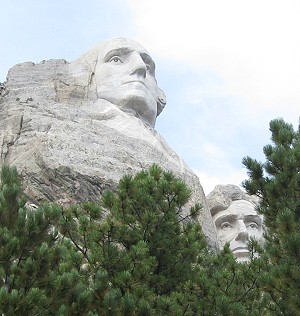
Pack your best backpack for air travel and take a trip to Washington, D.C. to show your kids the nation’s capital. There is no greater way for them to connect with U.S. history and begin to understand the country’s government.

If you contact your Senator or Representative at least 21 days in advance, you can arrange to tour the White House. Afterward, head over to the mall to see the Lincoln and Jefferson Memorials and the Washington Monument.  Better yet, view the monuments at night when the lights are shining, and the reflecting pool is at its most beautiful. Don’t miss the Vietnam Veteran’s Memorial, also called “The Wall.” Seeing it in person is a powerful experience.

Touring the capitol’s visitor center is free but requires reservations well in advance. If you want to see the House of Representatives or the Senate, you must obtain permission in advance from your Senator or Representative.

Washington D.C. is home to some of the best museums in the world. Many of the Smithsonian museums offer free admission, including the very popular Air and Space Museum. Another sight to see is the National Gallery of Art, offering free self-guided tours through both buildings.

As you can see, finding things to do in D.C. won’t be difficult. Odds are you will have to come back a few times to see everything.

New York City

New York City is an ideal weekend getaway for the entire family. It is an exciting city, and there is so much to do that no one will be left out, no matter their age. Start your trip with an elevator ride to the top of the Empire State Building. This iconic building is fun to climb, especially when you start remembering all the classic movies filmed on the observation deck.

The Statue of Liberty should also be on your list to see. There is a ferry which tours the statue and Ellis Island. If you are willing to skip the island, a free ferry goes directly to the statue and provides a nice view of the waterfront as a bonus.

The National 9/11 Memorial and Museum will make an impression on your children. It is a beautiful and tranquil place well worth visiting.

Make sure to visit Central Park on your trip. The park is massive, so you most likely won’t see it all.  But, be sure to go to Bethesda Fountain. It is worth the effort.  Times Square, Wall Street, and Fifth Avenue are other places to see if you have the time. Each has a rich history and is part of the culture of America.

Final thoughts

Touring the great cities of America can be a fun and rewarding way to spend your family vacation. Avoiding theme parks will let you spend quality time with your children learning about history and the different cultures in the U.S. Sure, you might miss a log ride or two, but exposing your children to different people, food, and lifestyles will be an invaluable part of their education. One that is hard to get standing in line for a roller coaster.

Author Bio

Rebecca lives in USA, but loves hiking all over the world. Her favourite is Everest Base Camp Trek in Nepal. It usually takes 16 days, but she likes to slow down, enjoy mountains, company of other adventurers and take more pictures, so it took her 28 days last time. Another of her passion is the ocean, so all short and long hikes along the ocean shore bring a lot of joy. She also writes for hikingmastery.com/.

We are happy to feature this collaborative post to offer valuable information to our readers.

Top Reasons Why you need to Try the Local Cuisine when Traveling

We love food not just because of its amazing taste, but for the memories it helps you create. It’s proven that food can create strong memories about a certain place and time which is one of the reasons why we recommend trying the local cuisine everywhere you go. CONTINUE READING >> 

You know we love traveling, but do you know we’re also gourmands? We love food not just because of its amazing taste, but for the memories it helps you create. Remember when your mom’s burnt macaroni and cheese took you back to your childhood? It was proven that food can create strong memories about a certain place and time which is one of the reasons why we recommend trying the local cuisine everywhere you go.

However, there are more reasons to give local food a shot and we created a top ten of most cool reasons why you need to try the local cuisine when traveling.

1. You like to try new things

That’s why you’re traveling, right? The most adventurous spirits will often spend most of their free time on the road. So you need to unleash this need for finding out new things and trying them out even when it comes to food.

Who knows what new tastes and flavors you’ll stumble upon? Or what awesome food combinations your palate has never dreamed of actually exist?

2. You want a complete experience

We might believe that we’re rational beings and we mostly experience the world through sight and sound. But actually, the other senses play an amazing role too.

Smell, taste, and touch fix a place to memory way better than the visual stimuli and information. That’s because they work with our emotions, which are easier to remember than rational arguments. And if you really want to be impressed by a new place, you have to be impressed by the local food first.

3. To have an interesting story to tell when you get back

‘Remember that time when we traveled to Greece and ate a tuna sandwich? It was hilarious,’ said no one ever. How about ‘Remember that time when we went to Rome and ate the world’s worst pizza? It was like eating prosciutto and bread, and we paid an arm and a leg for it!’

Some of the best stories are born when you’re trying new things, including food. And why are you traveling in the first place? To make new memories, and have stories to tell to your grandkids when you get old.

4. To experience the restaurants that serve the local food

Or not necessarily restaurants. Some places like Singapore have special streets where you can try out the local food. Anyway, all these places will tell a bit about the country’s culture.

For instance, if they like eating on the street, with their hands, that shows a certain joy that needs to be shared, hospitability and sense of community. That happens in Mediterranean countries, where it’s wise to even bring your own cutlery, like the best EDC knife.

Other Nordic countries prefer eating indoors, which makes sense since they’re colder. But that also built a more somber personality and an inclination towards eating customs based on tidiness.

5. You like cooking shows

If you like to eat, but also like watching cooking shows, getting a lot of info about other cuisines is a must. That way, you’ll be able to brag to your friends about all that stuff and become an expert Master Chef from your own couch.

Or, you can even learn new ways of decorating your food plates, or how to mix up the lights and general decorum so that food becomes tastier. For instance, did you know quiet breathing can make your food taste better? You do now.

6. You can learn new recipes

Maybe you want to impress some house guests, or maybe you’re a gourmand yourself. And what better way to find out new recipes? Let’s be honest, search engines can suggest a pretty drab humdrum of choices if you don’t have time to specifically look for new cooking ideas.

But even if you do find new recipes on a constant basis, it’s one thing to watch a video or read the instructions, and a completely different experience to actually taste and look at the food in front of you.

7. It’s boring to eat the same food

Give something new to your tastes buds to enjoy, not only your eyes and ears. Besides, if something becomes a boring automatism, your brain doesn’t get the chance to create new neural links.

And scientists have discovered that all new experiences, regardless of the sensory pathway they come from, improve our brains and make us smarter by building new synapses. So it’s not only fun to eat new foods, it’s also good for your brain.

8. It’s a real quest to find places with real local food

In fact, it’s like doing actual detective work. You might expect to eat real local food at restaurants in the heart of a city, but that’s not the case. These places will often modify local recipes, to give them an international feel, so they won’t lose customers.

The places that serve genuine local food are on the outskirts of a city. So you’ll navigate through your share of narrow streets, and ask your share of non-English speaking residents for directions. But in the end, it will totally be worth it to discover that hidden gem of unadulterated native food.

9. You can learn unexpected historical tidbits

In these places we’ve talked about, you’re bound to meet new people. So they might even tell you new stories about the place, that you won’t find in the official touring guides.

Besides, it’s easier to learn new stuff that way, as that really commits to mind. That’s why oral culture is so powerful. Plus, this relates to having new stories to tell when you get home, or even post online as you go.

10. It’s often cheaper

Yes, fancy restaurants in the city center are really expensive. But if you’re up for new adventures, peripheral tavernas or bodegas will often have meager prices. So you’ll be saving enough cash to spend for day hikes, or for scavenging for memorabilia.

That said, those are the reasons why we like to try out local cuisines in most of our trips. What are your reasons for doing that? We’d love to hear your input.

Author Bio

Rebecca lives in USA, but loves hiking all over the world. Her favourite is Everest Base Camp Trek in Nepal. It usually takes 16 days, but she likes to slow down, enjoy mountains, company of other adventurers and take more pictures, so it took her 28 days last time. Another of her passion is the ocean, so all short and long hikes along the ocean shore bring a lot of joy. She also writes for hikingmastery.com/.

We are happy to feature this collaborative post to offer valuable information to our readers.

Gorgeous Hikes to Take with your Grandchildren

Taking your grandchildren hiking is an amazing experience! It’s an opportunity to create special memories and take part in their increasing awareness of nature. But choosing the right trail can be difficult… CONTINUE READING >> 

Taking your grandchildren hiking is an amazing experience! It’s an opportunity to create special memories and take part in their increasing awareness of nature. But choosing the right trail can be difficult, especially if the kids are very young or in their hard to please teenage years.

These three outdoor destinations offer exactly what you need for a special wilderness adventure.  Each has fully accessible trails, is near a multitude of other attractions, and will take you to some of the greatest natural wonders in North America.

Grand Canyon South Rim, Kaibab Trail, and Greenway Trail

There might not be a more memorable place on earth to visit than the Grand Canyon. And, it is a fantastic place to take children of all ages. The canyon is huge and offers something for everyone.  Even teenagers will be awed by the breathtaking views and sheer magnitude of the terrain.

For the most access to lodging, entertainment, and dining the South Rim is the place to be. With luxury hotels, affordable inns, and numerous campgrounds the area will accommodate any budget. The fully stocked market is a favorite stop in the morning to load up on snacks or supplies for a rim-side picnic lunch.

There are several moderate trails starting on the South Rim. All will provide commanding views of the Canyon, North Rim, and the Colorado River far below. The best of these treks is the Kaibab Trail to Cedar Ridge.

This three-mile walk is not for the faint of heart, as it descends directly into the canyon using switchbacks to lessen the grade. Bring plenty of water and strap on your best hiking sandals, maybe even a trekking pole if you have one. But, your effort will be rewarded, even if you turn back at the one-mile mark at the appropriately named Ooh-Ahh Point.

If accessibility is an issue or the kids are too young for a steep descent, the National Park Service has created an excellent Greenway Trail which follows the rim for several miles. The paved walkway makes walking easy while still giving visitors a close look at one of the seven wonders of the world.

Yosemite Valley, Sentinel Meadow & Cook’s Meadow Loop

Just driving through the Yosemite Valley will take your breath away. Everywhere you look is another iconic landmark. Both Half Dome and El Capitan would be worth the trip by themselves but throw in the Giant Sequoias and the tallest waterfall in North America and Yosemite becomes a hiking destination like no other.

The best thing about Yosemite is how close everything is once you get there. You won’t be spending hours in the car, a bonus if the kids are growing restless. Accommodations are available with reservations in the valley and the many towns just outside the park. Of course, campsites are also abundant if you book far enough in advance.

Most of the trails on the valley floor are considered easy to moderate with little or no elevation gain. The best to hike if you are concerned about accessibility is the Sentinel Meadow and Cook’s Meadow Loop. This 2.25-mile trail meanders through two meadows and offers multiple views of Yosemite Falls. Halfway through, you should stop at Sentinel Bridge and take pictures of the Half Dome looming above. For the adventurous, a half-mile spur leads to the Yosemite Falls viewpoint.

The trail is almost entirely wheelchair accessible since being upgraded to a wooden walkway. If you stay at the Yosemite Lodge, parking at the trailhead is free. Even if you are not a guest, the lodge is a great place to eat before or after the trek.

Glacier National Park, Rocky Point – Lake McDonald

Glacier is known as a hiker’s paradise, and for good reason. Glacier National Park holds more than 700 miles of trails ranging from easy walks to treacherous climbs. And, there is plenty to see while trekking with 762 lakes spread throughout the 1500 square miles of parkland.

The best-known body of water is Lake McDonald, and a great hike for all ages can be found at its shore. The Rocky Point Trail is a little over two miles, hugging the lake and traveling through the dense forest. There is an elevation gain of 350 feet which is mild in this part of the world. The trail is wide and well maintained.

Of course, no trip to the Northwest corner of Montana is complete without viewing the glaciers.  Twenty-five still remain although some experts say they are in danger of disappearing as soon as the year 2030. Many Glacier is at the center of the park and is a visitor favorite. It can be seen by car, foot, horseback, or boat, depending on how you want to spend the day.

There is plenty to do other than a hike in the park. You can book a tour of the park’s interior with the red bus line or book passage for the day on a boat traveling across Lake McDonald. You can even visit Canada at one of the three international destinations, shared with Waterton Lake Park across the border.

Glacier National Park is home to several wonderful lodges filled with the history of the area.  Both the Glacier Park Lodge and the Isaac Walton Inn offer comfortable rooms and dining for weary trekkers at the end of the day.

Go Out and Make Beautiful Memories

There is no greater joy than sharing a memory with your grandchildren that will be sure to stay with them all their lives. Each of these hikes is guaranteed to make a lasting impression.  From canyons to glaciers, there is something for everyone on the list, no matter their hiking skill level or age.

Author Bio

Rebecca lives in USA, but loves hiking all over the world. Her favourite is Everest Base Camp Trek in Nepal. It usually takes 16 days, but she likes to slow down, enjoy mountains, company of other adventurers and take more pictures, so it took her 28 days last time. Another of her passion is the ocean, so all short and long hikes along the ocean shore bring a lot of joy. She also writes for hikingmastery.com/.

We are happy to feature this collaborative post to offer valuable information to our readers.

Top 5 Hiking Trails to Avoid This Summer

We all have our favorite hiking trails, and those ones we would love to visit when the right time comes. But sometimes, even the most beautiful destinations can turn out to be the worst hiking experiences you ever had. CONTINUE READING >> 

We all have our favorite hiking trails, and those ones we would love to visit when the right time comes. But sometimes, even the most beautiful destinations can turn out to be the worst hiking experiences you ever had. The main hindrance with such tails is the unbearable heat, coupled with extreme exhaustion, and discomfort. Trust us, these are not trails for leisure!

In this post, we will take you to the most dangerous trails that you should stay away from this summer. If you really want to check them out, make sure you wait for summer to be over. When the heat is not as powerful, some of these trails can be quite interesting. There’s still to extra effort, but if you got the muscles, you can go for it.

Bright Angel Trail, Arizona

This is such beautiful scenery with amenities to match, but the extreme heat (which can go as high as 110 degrees) will be the deal breaker. If hikers are cautioned against the heat at this trail on a normal day, think about how many degrees it is during summer.

The worst part is when you reach the end of your trail and have to come back up. Any hiker who’s been here will tell you the upward trek is among the most difficult treks you will encounter in your life. Having kids on this hike will make it even more difficult.

You can carry a nice watch with you to keep track of the time during the uphill trek. To know about the best ones out there, check out our post on the best ABC watches in the market.

You will most probably need a ranger to help you with the upward trek, especially if you are a beginner hiker, and you don’t know how to maneuver such treks yet.

The Grand Enchantment Trail (Arizona and New Mexico)

Want to find out the not so urban side in the US? This trail will take you through a whole series of varied landscapes which includes a desert, mountain ridge lines and finally towering ponderosa pine forests.

It’s quite the trek, covering a whopping 770 miles, for those who work hard enough to complete the entire trip. The Grand Enchantment is best visited during spring, when there are ample sources to get your water from.

You may want to avoid this trail during summer because the water levels are still low and the snow is just beginning to melt. The hike will take you about three months and it’s hard to imagine going for that long surviving on very limited water sources.

The Hayduke Trail (Arizona and Utah)

This trail is most definitely not for the weak at heart or beginner hikers. It covers an amazing 812 miles and begins at Arches National Park and follows a whole lot of public land and canyons.

Very few people have managed to navigate the whole trail mostly because navigating through the bizarre canyon landscape is quite a hard task. It’s best left to expert hikers who will be rewarded with the most stunning sights: the red rocks.

Water is very scarce once you venture deeper into this trail and you can imagine just how frustrating it can get when trekking under the extreme summer heat with little water to keep you going. What will get to you is severe dehydration, which will have you cutting your trip short.

John Muir Trail California

If you have to try out this trail, you better do it during late summer or not all during the whole summer period.

Covering about 210 miles, it will take you about three weeks to complete the whole course. You will realize that past the midway point, there are no shelters to shield you against the extreme day heat and frigid nights when the temperatures plummet. So we advise that you carry a tent along with you.

Moreover, you will encounter about a 100-mile stretch that’s just pure wilderness which will require that you stock on foods and water among other supplies that can last you about 10 to 15 days. Most hikers love the fact that you can walk for up to 3 weeks without coming across a road; just pure stretches of magnificent nature.

Did we mention that you may encounter bears along the way? It’s best to pack your foods in bear-proof canisters as a precaution.

Continental Divide Trail (New Mexico, Colorado, Wyoming, Idaho & Montana)

This is among the most hectic trails you will ever encounter in your life. It covers about 3300 miles and will take you an average of six months to complete. That’s spending about half a year out on the trail, which very few people manage to finish.

You will be trekking on the remote and rugged crests of the mountains, which are rocky. It’s best to hit the trail on cooler seasons and avoid summer because you will be putting yourself at risk of summer lightning’s, which is every hiker’s nightmare.

You may also want to avoid winter because of the deep snow, which will definitely not have melted completely by the time it is summer.

There are very few joints along the trail where you can restock on your supplies, even water and about 30% of the trek, are not signposted yet, which makes it harder for hikers to find their way through the best routes.

You will also pass through the Bob Marshall Wilderness in Northern Montana, which is among the largest wilderness in the US because it covers such a wide stretch.  Hiking under the hot summer temperatures can prove to be quite challenging and it’s made worse by the fact that you will encounter abundant wildlife along the trail (mostly grizzly bears).

Concluding Thoughts

Hiking will help you reconnect with nature, exercise and appreciate the world we live in all at the same time. It becomes a frustrating affair if you have to worry about the hard trails, wild animals and extreme temperatures at one go. Hiking ceases to be that amazing adventure for you.

To keep this from happening, always do your research before embarking on a hike so that you know which trails are fit for which seasons.

Want to share your thoughts about this post? Feel free to comment and let us know what your thoughts are and which other trails you think should have made the list. To top it off, please share with your friends, family and other hiking enthusiasts, to help them know which trails to avoid as we all gear up for summer.

Author Bio

Rebecca lives in USA, but loves hiking all over the world. Her favourite is Everest Base Camp Trek in Nepal. It usually takes 16 days, but she likes to slow down, enjoy mountains, company of other adventurers and take more pictures, so it took her 28 days last time. Another of her passion is the ocean, so all short and long hikes along the ocean shore bring a lot of joy. She also writes for hikingmastery.com/.

We are happy to feature this collaborative post to offer valuable information to our readers.

The Fountain of Youth Might be A Good Night’s Sleep

Traveling after the nest empties presents the opportunity for growth and adventure, but too many Baby Boomers choose not to hit the road once they retire, worried about the lack of sleep that can make you feel terrible and harm your health. However, the symptoms you assume are age-related are treatable, the culprit: sleep apnea. CONTINUE READING >> 

Traveling after the nest empties presents the opportunity for growth and adventure, but too many Baby Boomers choose not to hit the road once they retire. Instead, they accept slowing down as a part of getting older. People incorrectly assume that symptoms like memory loss, grumpiness, difficulty concentrating or fatigue are all inevitable and simply accept their fate.

Don’t.

As we age, our bodies change. Your body doesn’t recover as quickly as it once did. Hamburgers stick to your ribs a little longer, you can’t sleep as much, and you might be feeling a lack of energy during the day. However, the symptoms you assume are age-related might be a more serious (but treatable) culprit: sleep apnea. Everyone knows how sluggish you feel after a poor night’s sleep — imagine feeling this way throughout the work day.

Not only does a lack of sleep make you feel terrible, it also harms your health. Some sleep apnea side effects include daytime fatigue, difficulty concentrating and a depressed immune system. Sleep apnea can affect your health beyond sleep deprivation. Studies show a correlation between obstructive sleep apnea and diabetes, heart disease, as well as  depression.

Obstructive sleep apnea is one of the most dangerous untreated sleep disorders. Sleep apnea occurs when the upper airway partially or completely collapses during sleep, triggering an awakening or a drop in blood oxygen levels. It is hard for people to know they’re suffering from sleep apnea because most visible symptoms of the condition occur during sleep. Most people learn the severity of their sleep apnea after being filmed sleeping.

Treat Sleep Apnea

Do you suspect you’re suffering from sleep apnea? When your brain is sleep deprived, you may see a difference in:

♦ Attention span
♦ Cognitive speed
♦ Memory
♦ Decision making
♦ Emotional intelligence
♦ Overall behavior

It’s almost impossible to to appreciate the benefits of traveling if you sleepwalk through your journey.

The first step of treating sleep apnea is a sleep test. Your healthcare provider will probably want to perform a pulse oximetry test. This overnight test will reveal how much oxygen is in your blood when you sleep.  If your pulse oximetry test indicates further testing is necessary, you will need to complete a sleep study in a sleep clinic or at home.

A home sleep test is cheaper than a clinic test, and you tend to sleep better in your bed than in a sterile clinic. If you are diagnosed with sleep apnea, the next step will be your doctor giving you a prescription for a CPAP machine.

CPAP

A CPAP (Continuous Positive Airway Pressure) machine keeps your oxygen levels at appropriate levels while you sleep by supplying a constant and steady air pressure. There are three basic components: the motor, the hose, and the CPAP mask.

The CPAP motor is basically a small compressor that draws in room temperature air and gently pressurizes it. Some masks have humidifiers to moisture the pressurized air. The hose simply delivers the pressurized air from the motor to the CPAP mask. CPAP masks come in three variations: nasal pillow, nasal mask, and full face mask. When choosing a mask, the most important things to consider are size, fit and comfort.

Traveling with a CPAP Machine

A new CPAP machine can be seem taxing to travel with, and you might be tempted to leave your CPAP at home (or simply avoid traveling). However, it is crucial to be consistent with your sleep therapy, so be sure to bring your machine along no matter how short your trip. With some forethought, traveling with a CPAP machine will become second nature.

Travel tips:

♦ Invest in a travel bag to keep your machine dry and safe.
♦ Bring an extension cord & batteries so you can stay flexible in a hotel room.
♦ Consider a travel machine, which can run off battery power and fits in your back pocket! A travel machine is especially helpful if you plan to sleep on a train, plane, or automobile.
♦ Bring extra supplies! All CPAP supplies require replacement and cleaning, so be sure to stay on top of your resupply schedule.
♦ Pack backup energy sources. If your travel plans include time away from a power source (like camping), there are several battery powered CPAP machines. Because the battery can usually be charged using a standard vehicle lighter, it is a good to have if you need to snooze on a long road trip.

Flying with a CPAP

Boarding a plane for your summer travels? Your machine is considered a medical device and is cleared for air travel. That said, you should always check with your airline to become familiar with their procedure for checking a CPAP machine at the gate. This will save you a good bit of time and hassle once you get to the airport. It’s always a good idea to have a prescription on hand in case security needs to further check your device.

Using a CPAP during the flight will depend on your airline. Some airlines will require 48 hours of advance notice, while some have less stringent guidelines. A phone call to your airline should provide all the information that you need. For more on CPAP machines and airlines, the FAA portable electronic regulation report is a great source for traveling with your machine.

If you’re traveling internationally, be sure to research your power options and bring along the correct plug adapter. Your adapter might vary based on where you are, so it’s important to be prepared before you embark on your trip!

The Fountain of Youth

Sleep apnea is insidious because you might not even notice you are affected when it happens to you. Sleep apnea symptoms are treatable. If you’ve assumed your sleep apnea symptoms are related to the natural aging process, treating undiagnosed sleep apnea could feel like the fountain of youth. If you  need CPAP equipment, be sure to find out if you qualify through insurance for your CPAP supplies.

We are happy to feature this collaborative post to offer valuable information to our readers.

Delve Deeper: Tags

3 Ways to Add Some Luxury to Your Camping Holiday

If you fancy a change from the traditional camping trip, we’ve found three camping holidays that combine the great British pastime with a luxurious edge for your next summer holiday… CONTINUE READING >> 

When you’re planning your next luxury holiday, a camping trip may not be the first thing that might come to mind. Camping tends to evoke images of drizzly summer staycation trips, but this type of holiday still holds a special place in the hearts of most UK residents.

If you fancy a change from the traditional camping trip, we’ve found three camping holidays that combine the great British pastime with a luxurious edge for your next summer holiday.

Glamping in the Isle of Wight

Just off the coast of Hampshire is the Isle of Wight, a popular tourist attraction due to its distinctive landscapes, its dramatic cliffs and hidden beaches, which make it the perfect holiday destination for those who love camping.

Add a touch of luxury to your Isle of Wight camping holiday by researching some of its glamping spots that have the beach right on their doorstep. Stylish yurts complete with room service, en suites with roll top baths and swimming pools are all available to find – with this level of luxury, you’d be forgiven for thinking you were holidaying abroad!

Camping in France

France is full of options for beautiful spots to go camping. Whether you want to head to Pyrenees in the south of France, Loire in central France or Brittany in the north, camping is a great way to get closer to nature in this beautiful country.

With delicious food to try, a rich culture and stunning sights, anyone with a love of the great outdoors will love camping in France. Go to an outdoor holiday specialist like Eurocamp to find some luxury camping options in France – forget about traditional camping, where you’re pitching up a tent in a field. You could have a mobile holiday home complete with air conditioning, flat-screen TVs, wooden terraces and gas barbeques.

Stay in a Treehouse in South Africa

One of the most breath-taking examples of luxury camping abroad is at Lion Sands Game Reserve, a nature retreat with stunning open-air treehouses, so you can sleep under the stars. It’s comfortable, luxurious and romantic, with the chance to share private dinners surrounded by the majestic landscape, as well as getting closer to the sights and sounds of the wildlife in South Africa.

If you love camping but you’re on the lookout for a luxury getaway this summer, our three suggestions are the perfect mix of the two. Whether you want to go glamping, hire a holiday home or stay under the stars in a treehouse, you can enjoy a nice (and more comfortable) change from the traditional camping holiday.

We are happy to feature this collaborative post to offer valuable information to our readers.

The UK’s Top 4 Most Scenic Walking Holiday Destinations

The UK is home to some of the best walking holiday destinations in the world. What with so many areas of beautiful scenery, gorgeous lakes, craggy mountain ranges and luscious rolling hills, it’s the perfect landscape for enjoying a fun filled walking holiday. CONTINUE READING >> 

The UK is home to some of the best walking holiday destinations in the world. What with so many areas of beautiful scenery, gorgeous lakes, craggy mountain ranges and luscious rolling hills, it’s the perfect landscape for enjoying a fun filled walking holiday. With this in mind, we’ve selected 4 of the most breath-taking destinations from each country to get you inspired to plan your next rambling trip:

England

When it comes to England, there’s one walking holiday destination that beats the rest and it has to be the Lake District. Incredibly beautiful the emerald valleys of the Lakes inspired the likes of the romantic poets to write they’re most famous literature the sights are so beautiful. So, don your walking boots and head to Grasmere and follow in the footsteps of Wordsworth and Coleridge as you hike through the steep hills of this gorgeous part of the world.

Scotland


Image via Flickr by ro431977

Enormous mountains, deep valleys and tranquil lochs, Scotland’s West Highland Way is one of the world’s most famous walking trails. Starting in Glasgow and extending all of the way to Fort William. The route offers over 90 miles of rushing rivers and stunning rock formations making it both challenging and beautiful at the same time.

Northern Ireland

Beautiful coasts and rugged rock formations, the stunning areas of natural beauty make it one of the most visited walking destinations in the world. Made famous by the blockbuster movie P.S I Love You, hundreds of people flock to Northern Ireland each year to admire the luscious green valleys for themselves. On a walking holiday, the Causeway Coast is perhaps the most popular route highlighting the diverse natural landscapes.

Wales


Image via Flickr by dave-pemcoastphotos.com

With 3 national trails and over 30 long distance routes to explore, Wales has an amazing variety of options when it comes to walking holidays. One offering the most sensational views is the Pembrokeshire Coast Path which has an abundance of things to see and do including tons of wildlife spotting opportunities, rugged beaches and secluded coves.

With so much to offer when it comes to scenic views, people going on walking holidays in the UK are spoilt for choice with all these stunning areas to choose from. Head there with an experienced walking tour operator to make sure you get the most out of your trip and don’t forget your camera to take some postcard perfect snaps of those stunning views.

We are happy to feature this collaborative post to offer valuable information to our readers.