

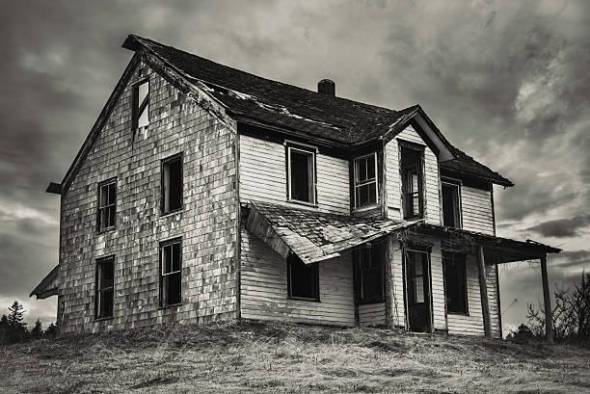
For older properties, there are some charms that can’t be replicated by new construction. There are some surprises behind the walls, too. Once you’ve purchased an older home or are considering buying an older home, you might be tempted to begin removing the things you don’t like right away. This is where it is better to stop and think things through first. Preemptive measures are included in this guide from which you can not backtrack once you have started work.
Learn the History of Your Home
First, get acquainted with what you are dealing with. Look at the date of the house’s construction, the materials, and changes over time. Older permits, photos, and neighbor stories will provide valuable information. Additionally, some houses may also be historic, and this could restrict changes that you can make. Understanding the history can aid in making informed decisions and preserving the character of your home.
Get a Thorough Inspection
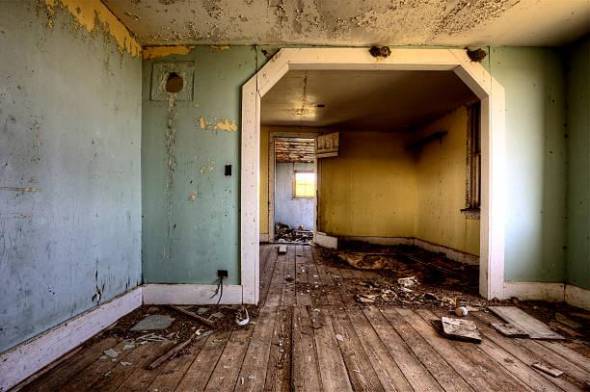
The first step is to conduct a careful inspection. Many older homes may have hidden issues that include cracking foundations, water damage, old wiring, and deteriorated pipes. Many homeowners bring in a professional with experience in old home restoration to look at both the structure and the finer details. An expert can determine if the problem is one that requires immediate attention or if it may be addressed at a later time. This is cost-efficient since you won’t be wasting time and money on trying to fix the wrong thing the first time. Ask for a written report so you can use it for planning and budgeting.
Set Your Goals and Priorities
Determine how your new house is going to look and be utilized. Make a list of must-have repairs, such as roof, wiring, and plumbing. Next, include items that are on your wish list, such as new finishes or a kitchen remodel. Safety & structure are always more important than style. When it comes to costs adding up, it’s easier to say no if you’re clear about your priorities.
Create a realistic budget.
When you’re buying an old home, it can be expensive. Request multiple estimates and understand the coverage of all. Also include a margin of 15-20% for unforeseen repairs as there is always an unexpected problem. If you’re moving out during the work, be sure to account for permits, inspections, and temporary accommodations. A reasonable budget keeps you from stress and unfinished rooms.
Check Permits and Safety Concerns
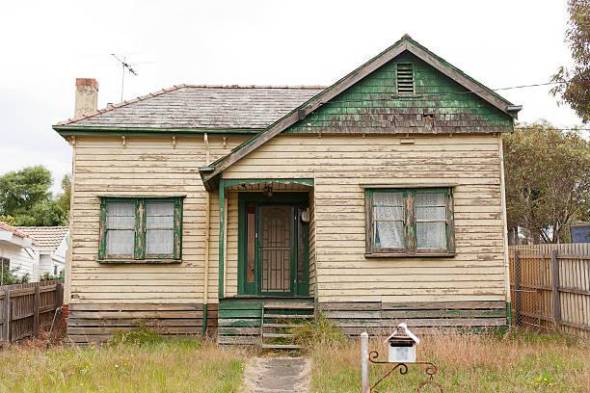
An older home often needs more permits for a variety of repairs – particularly structural, electrical, and plumbing. Check with your building’s office to find out. Some older homes may also have lead-based paint or asbestos that need to be treated properly. These materials should not be removed by the consumer. Use licensed professionals who are familiar with safety rules. This will help protect your family and ensure your project is legal.
Choose the Right Team
The quality of your results will be determined by the people that you hire. Try to find contractors who have experience with older homes instead of newer ones, as they require different skills. Verify licenses, insurance, and read reviews, as well as ask for references. See some of their previous work to get an idea of what to expect. Of course, communication is important as well; opt for someone who is easy to understand and answers your questions.
Plan the Order of Work
The sequence of repairs is important. Begin with the most critical areas like the roof, foundation, and any water issues. Then it’s on to wiring, plumbing, and heating. Insulation, walls, and floors follow. Complete with paint, cut, and decorative details. In this sequence, you will not have to redo work to correct deeper issues. It’s helpful for everyone to be on the same page with a simple timeline.
Conclusion
The success of a project starts well before the first tool is put to use. Know your home’s past, have it thoroughly examined, set goals, and create a budget. Ensure permits have been granted, employ experienced personnel, and execute the work in an appropriate sequence. If you are patient and well-prepared, you can make your older home a safe, comfortable, and even beautiful home for years to come.