

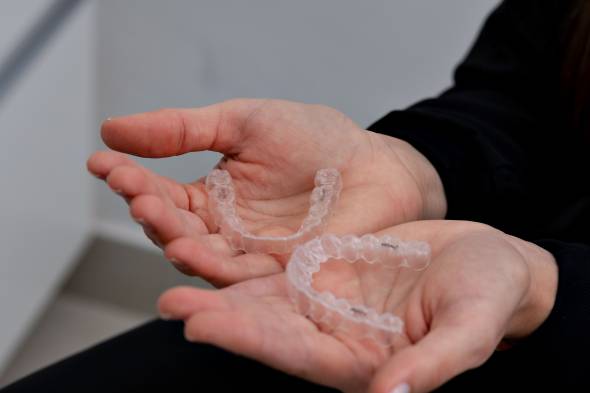
A straighter smile can be appealing for many reasons. Perhaps you want to feel more comfortable in photographs, improve your bite, or simply address teeth that have bothered you for years. Clear aligners can make orthodontic treatment look more convenient and discreet, but choosing them deserves more thought than deciding whether you like their appearance. If you are researching invisalign in Singapore, the more useful question is not simply whether Invisalign looks attractive. It is whether the treatment matches your dental needs, habits, expectations, budget, and emotional wellbeing.
Clear aligners have become an established orthodontic option, and research suggests they can offer advantages in certain quality of life measures compared with fixed appliances. However, the evidence is not equally strong for every outcome, and treatment suitability still depends on the individual case.
The First Question Is Not About Appearance
It is easy to choose Invisalign because the trays are discreet.
For someone who dislikes the appearance of metal braces, that feature can feel decisive. But aesthetics during treatment should not overshadow the actual reason you need orthodontic care.
A proper assessment looks at tooth alignment, bite relationships, gum health, existing dental problems, and the type of movement required. Some cases may be suitable for clear aligners, while others may require a different orthodontic approach or additional treatment.
In other words, the most attractive treatment option is not automatically the most appropriate one.
What Are You Actually Trying to Change?
Before arranging a consultation, identify what bothers you.
Is it crowded front teeth? A gap? Teeth that shifted after previous orthodontic treatment? A bite concern? Or simply dissatisfaction with the appearance of your smile?
Knowing the problem helps you have a more productive conversation with a dental professional.
It also prevents a common mistake: assuming every cosmetic concern can be solved simply by wearing clear trays.
Choosing Invisalign for the Right Reasons
There is nothing wrong with wanting a better-looking smile. Appearance is a legitimate consideration in orthodontic treatment.
The concern arises when expectations become unrealistic.
If you expect Invisalign to completely transform your confidence, social life, career, or self-image, the treatment may carry more emotional weight than it should.
Orthodontics can change the position of teeth, but it cannot guarantee a particular emotional outcome.
A Healthier Motivation Is More Specific
A practical reason might sound like this:
“I want to correct my crowded teeth because they make cleaning difficult, and I also want a more even smile.”
That is different from:
“I need perfect teeth before I can feel confident.”
The first statement focuses on a defined dental goal. The second places a much larger burden on the treatment.
Research has linked malocclusion with aspects of oral health related quality of life, including psychological and social dimensions. That means dental appearance can genuinely affect how people experience everyday life, but it does not mean orthodontics should become the sole foundation of self-esteem.
Five Signs You May Be Choosing Invisalign for the Wrong Reason
Sometimes the problem is not Invisalign itself. It is the expectation attached to it.
-
-
- You believe straighter teeth will automatically solve all your confidence issues.
- You are choosing treatment mainly because someone else pressured you to change your smile.
- You expect your teeth to look dramatically different within a few weeks.
- You are unwilling to follow the daily wear and hygiene routine required.
- You are choosing a treatment plan based only on promotional pricing rather than clinical suitability.
-
Recognizing these concerns does not mean you should abandon orthodontic treatment. It means you may need to reconsider your motivation before committing.
Invisalign Requires More Participation Than You Might Expect
One major difference between removable aligners and fixed braces is responsibility.
You can remove clear aligners when eating and for certain other activities, but you also have to remember to put them back in. Invisalign’s Singapore FAQ recommends wearing each aligner for approximately 20 to 22 hours per day for best results and a timely outcome. It also states that adult treatment averages around 12 to 18 months, although individual treatment duration varies.
That makes Invisalign particularly dependent on daily habits.
Convenience Does Not Mean Effortless
Removable treatment can be convenient, but convenience can also create opportunities for procrastination.
You might remove your trays for lunch and forget to replace them. You might leave them out during a social gathering. You might decide to skip wearing them because they feel uncomfortable.
One isolated lapse does not necessarily derail treatment. Repeated noncompliance, however, can interfere with the treatment plan and may require your provider to reassess your progress.
If you know you struggle with routines, think honestly about whether you can incorporate aligner wear into your normal day.
Your Lifestyle Should Influence the Decision
Your dental needs are important, but your lifestyle matters too.
Someone who works from home and follows a predictable schedule may find removable aligners straightforward. Someone who travels frequently, attends long business dinners, or works in an environment where oral hygiene is difficult may face more practical challenges.
That does not automatically rule out Invisalign. It simply means you should anticipate those challenges.
Consider These Everyday Situations
Think about your typical week.
Do you snack frequently? Do you drink coffee throughout the day? Do you have frequent client lunches? Do you participate in sports? Do you travel for work? Are you comfortable carrying an aligner case and cleaning supplies?
These questions can reveal whether the treatment will fit naturally into your routine.
The Mental Wellness Question Deserves More Attention
Orthodontic treatment is physical, but the experience can also be psychological.
A person may feel excited about improving their smile, anxious about treatment, frustrated by temporary discomfort, or impatient when changes seem slow.
Clear aligners may have some quality of life advantages compared with fixed appliances. A 2026 systematic review found preliminary evidence of better psychological discomfort and psychological disability outcomes with clear aligners, although the researchers emphasized that only a small number of randomized trials were available and that the findings should be interpreted cautiously.
Earlier systematic reviews have similarly reported potential quality of life benefits, while emphasizing limitations in the available evidence.
Do Not Make Your Smile Your Entire Identity
It is reasonable to want a smile you feel comfortable sharing.
It is less helpful to believe you must have a particular smile before you deserve confidence.
During treatment, try to measure success by more than photographs. Consider whether you are maintaining your routine, attending appointments, caring for your teeth, and feeling comfortable with the process.
That approach can make orthodontic treatment feel like one component of wellbeing rather than a constant judgment of your appearance.
Five Questions to Ask Before You Commit
A consultation should be a conversation, not simply a sales pitch.
-
-
- Is clear aligner treatment clinically appropriate for my specific case?
- What dental problems should be addressed before orthodontic treatment?
- What level of daily wear will my treatment require?
- What happens if my teeth do not move according to the planned sequence?
- What will happen after treatment to maintain the result?
-
The answers can help you compare treatment options based on suitability rather than appearance alone.
Cost Should Be Considered, But It Should Not Make the Decision Alone
Price naturally matters when researching orthodontic treatment.
Invisalign Singapore currently states that treatment prices start from SGD 3,400 for simple cases. However, the company also explains that the final cost varies according to factors including case complexity, treatment duration, and the provider.
That means an online starting price is not the same as a personal treatment quotation.
Ask what the proposed fee includes. Find out whether scans, follow-up appointments, refinements, and retainers are included or charged separately. Payment arrangements can also differ between providers.
The cheapest option may not represent the best value if the treatment plan, communication, monitoring, or aftercare does not meet your needs.
Do Not Forget What Happens After Your Teeth Are Straight
Another important question is retention.
Moving your teeth into a new position is only part of orthodontic treatment. Teeth can gradually shift after active treatment, which is why retainers are commonly prescribed.
Invisalign’s Singapore FAQ states that retainers help prevent teeth from gradually shifting toward their original positions and describes retention as a long-term part of protecting the treatment result.
If you are thinking about Invisalign, ask about retention before you start rather than treating it as an afterthought.
Choosing Your Provider Is Part of Choosing Your Treatment
Two people can use the same aligner system and have very different experiences.
The provider’s assessment, treatment planning, communication, monitoring, and follow-up all matter.
When researching clinics such as Nuffield Dental, use the consultation to discuss your specific goals and concerns. Ask how your case would be assessed, what limitations might apply, how progress would be monitored, and what happens if your treatment does not follow the expected course.
A good consultation should leave you with a clearer understanding of both the advantages and limitations of treatment.
When Invisalign May Be a Good Personal Fit
Clear aligners may be worth considering when the treatment suits your dental needs and your lifestyle can accommodate consistent wear.
They can be particularly appealing if you value discreet orthodontic treatment, want removable trays for eating and oral hygiene, and feel comfortable taking responsibility for your daily routine.
The key is not whether you can tolerate wearing transparent trays. It is whether you can realistically commit to the entire treatment process.
A Better Way to Judge Your Readiness
Ask yourself three simple questions:
Can I follow the daily routine?
Can I afford the full treatment and retention process?
Can I approach the treatment with realistic expectations?
If the answer to all three is yes, you are starting from a much stronger position.
Making the Decision With Clearer Expectations
Invisalign can be an excellent orthodontic option for some people, but it should not be chosen simply because it looks modern, discreet, or popular.
The right decision starts with your dental needs. From there, consider your lifestyle, ability to maintain consistent wear, financial situation, expectations, and mental wellbeing.
A straighter smile can contribute positively to how you feel about yourself, and research suggests clear aligners may offer some quality of life advantages. However, the evidence also reminds us that treatment outcomes vary and that clear aligners are not automatically superior for every person or every orthodontic problem.
The Right Reason to Start Your Smile Journey
The best reason to choose Invisalign is not simply, “I want my teeth to look better.”
A stronger reason is, “I understand what needs to be treated, I know what the process involves, and this option fits my goals and daily life.”
That difference matters.
When you approach Invisalign with realistic expectations, professional guidance, and a willingness to participate in the process, you give yourself a better chance of having a positive treatment experience. And when mental wellbeing is part of the conversation, the goal becomes more balanced: improving your smile without making your appearance responsible for your entire sense of self-worth.