

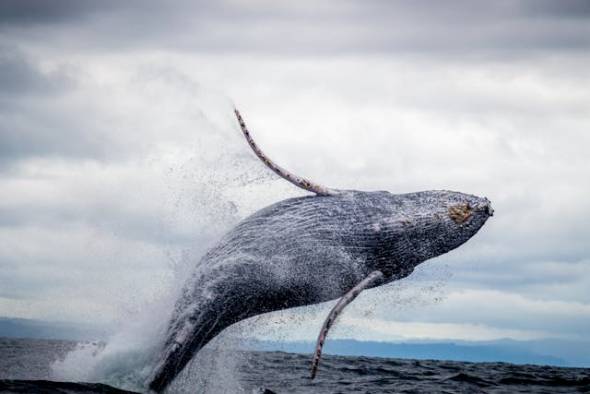
Have you ever wondered what it’s like to witness a 40-ton humpback whale breach the surface just yards from your boat? Last winter, I found myself standing on the deck of a whale watching vessel off Maui’s coast when suddenly, without warning, a massive humpback launched itself completely out of the water. The sound of its body crashing back into the ocean was like thunder, and in that moment, I understood why thousands of travelers flock to Maui every winter for this extraordinary natural phenomenon.
If you’re planning a winter escape to Maui and want to experience one of nature’s most spectacular shows, you’re in for something truly special. By the end of this guide, you’ll know exactly when to go, what to bring, how to choose the right tour, and the ethical considerations that make this experience meaningful for both you and these magnificent creatures.
Why Maui Becomes Whale Watching Central Every Winter
Between November and May each year, thousands of North Pacific humpback whales make an incredible 3,000-mile journey from Alaska’s cold feeding grounds to Hawaii’s warm waters. They come here for two primary reasons: to give birth and to mate. What makes Maui particularly special is the shallow, protected channel between Maui, Lanai, and Molokai, known as the Auau Channel.
During peak season, an estimated 10,000 to 12,000 humpback whales populate Hawaiian waters, with the highest concentration found right here in Maui County. This represents about two-thirds of the entire North Pacific humpback whale population. When you’re whale watching in Maui during winter, you’re witnessing one of the largest gatherings of these animals anywhere on Earth.
What I’ve found most fascinating is that these whales don’t eat during their entire stay in Hawaiian waters. They survive entirely on fat reserves built up during summer feeding in Alaska. Every breach, every tail slap, every song they sing is powered by stored energy, making their displays of strength even more impressive.
When to Go: Timing Your Maui Whale Watching Adventure
Here’s something most people don’t realize about whale watching in Maui: timing isn’t just about picking the right month, it’s about understanding the whales’ behavior patterns throughout the season.
Peak Season (January-March)
This is when Maui’s waters transform into a humpback whale nursery. January through March represents the absolute peak of whale watching season, with February being the single best month. During my February visits, I’ve counted dozens of whales visible from shore on any given day. The pregnant females have arrived and given birth, so you’ll see mothers with newborn calves. The males are actively competing for female attention, which means more surface activity, breaching, tail slapping, and pectoral fin slapping.
Early and Late Season
November-December offers quieter experiences with fewer crowds but less whale activity. April-May features calves practicing breaching and calmer seas, though whale numbers decline. If you value intimacy over abundance, these shoulder seasons work beautifully.
Time of Day Matters
Morning tours (7:00-10:00 AM) typically offer calmer seas and better visibility. The sun angle is more favorable for photography and viewing. That said, I’ve had incredible afternoon encounters when the whales seemed particularly active. Whales don’t follow a strict schedule.
Essential Gear: What to Bring for Maximum Enjoyment
Binoculars: Your Most Important Tool
This might surprise you, but binoculars are absolutely essential for whale watching. Federal law requires boats to maintain a 100-yard distance from humpback whales. While whales can approach boats, you can’t approach them. Binoculars allow you to observe whales at a distance without disturbing them.
I recommend 7×50 or 8×42 binoculars for whale watching. These specifications provide a good balance of magnification and light-gathering ability while maintaining a wide field of view, critical when you’re on a moving boat tracking moving whales. Avoid anything higher than 10x magnification; the image shake makes them nearly impossible to use effectively.
Sun Protection and Comfort
The Hawaiian sun is intense and amplified by reflection off the water. You need:
-
-
- Reef-safe sunscreen (SPF 50+)
- Wide-brimmed hat with chin strap
- Polarized sunglasses with UV protection
- Light jacket (wind chill is real, even in Hawaii)
- Motion sickness medication taken 30 minutes before departure
-
Camera Strategy
Photographing whales is challenging. They’re unpredictable and fast-moving. Use burst mode on your phone or a camera with fast shutter speed (at least 1/1000 second). The most important advice: don’t experience the entire trip through a viewfinder. Take some photos, but spend most of your time simply watching. The memories you create will be more vivid than any photograph.
Understanding Whale Behavior: What You’re Actually Seeing
Learning to interpret whale behavior transforms your experience from simple sightseeing to genuine understanding.
Breaching is when a whale launches itself almost completely out of the water. Scientists believe it serves multiple purposes: communication (the sound travels miles underwater), removing parasites, and possibly just for fun. Breaching often occurs in clusters, if you see one whale breach, watch carefully because others nearby often follow.
Tail slapping creates a thunderous sound and is often a sign of agitation or warning. Pectoral fin slapping involves those massive 15-foot fins repeatedly hitting the water’s surface. Spy hopping is when a whale rises vertically to look around above water, they’re literally checking out their surroundings.
Competitive pods are multiple male whales aggressively competing for access to a female. These encounters can be dramatic, with whales charging and breaching. This is some of the most dynamic whale behavior you can observe.
The Ethics of Whale Watching: Approach Distances Matter
This is where whale watching becomes more than entertainment, it becomes conservation in action.
The 100-Yard Rule
Under the Marine Mammal Protection Act, vessels must maintain a minimum distance of 100 yards (300 feet) from humpback whales. This isn’t a suggestion, it’s federal law with significant penalties for violations. If a whale approaches closer, vessels must put engines in neutral and allow the whale to pass.
For drones and aircraft, the minimum altitude is 1,000 feet.
Why These Distances Matter
Humpback whales come to Hawaii to rest, give birth, and nurse their young. They’re not feeding, so they’re operating on limited energy reserves. Disturbance from boats can cause stress, interrupt nursing, separate mothers from calves, and force whales to expend precious energy avoiding vessels.
Research shows that repeated disturbance can cause whales to abandon preferred habitats. If Maui’s waters become too stressful, whales might choose different locations, catastrophic for both the whales and Maui’s whale watching industry.
Your Role as a Responsible Observer
-
-
- Never encourage your captain to get closer than regulations allow
- Don’t make loud noises or sudden movements
- Report violations to NOAA’s enforcement hotline
- Support operators who prioritize whale welfare over entertainment
-
Here’s something that might surprise you: responsible whale watching actually contributes to conservation. When done ethically, it creates economic value for living whales, incentivizing protection. The North Pacific humpback population has recovered from fewer than 1,500 in the 1960s to over 20,000 today, one of conservation’s great success stories.
Choosing the Right Whale Watching Tour
Not all whale watching experiences are created equal.
Boat Size Considerations
Mid-sized boats (40-60 passengers) often provide the best balance of stability and intimacy. Larger boats offer more amenities and stability but can feel crowded. Smaller boats provide intimate experiences but more motion.
Naturalist Commentary: Why It Matters
A whale watching tour without expert interpretation is like visiting a museum without labels. Naturalists can identify individual whales, explain behaviors in real-time, and answer questions. This educational component transforms the experience from sightseeing to genuine understanding.
Tour companies such as Pride of Maui run seasonal whale watches with naturalist commentary on vessels that offer both stability and expert interpretation.
Practical Considerations
Most tours depart from Maalaea Harbor (shortest travel time to prime areas) or Lahaina Harbor (convenient for West Maui). Standard tours run 2-3 hours, generally sufficient to see whales and observe various behaviors. Reputable operators offer whale sighting guarantees during peak season.
Shore-Based Whale Watching: The Free Alternative
You don’t need a boat tour to see whales in Maui. During peak season, whales are frequently visible from shore.
Top Viewing Locations
Papawai Point (McGregor Point) along the Pali Highway offers elevated views of the channel. I’ve spent hours here with binoculars watching whales breach and blow. Wailea Beach Walk provides multiple vantage points with unobstructed ocean views. Kapalua Coastal Trail combines hiking with whale watching opportunities.
When scanning from shore, look for blows (spray from blowholes), breaches, tail flukes, and unusual water disturbances. Shore-based whale watching requires more patience but offers its own rewards: no time limits, no crowds, no seasickness, and it’s completely free.
Planning Your Trip: Practical Tips
Book 2-3 weeks in advance during peak season (January-March). Popular operators sell out quickly, especially for morning departures. Tours typically range from $50-$150 per person depending on boat size and duration.
Winter is Hawaii’s rainy season, but rain rarely prevents tours. High winds and large swells can cause cancellations, but this is relatively uncommon. Don’t be overly concerned about light rain, whales don’t mind it, and neither should you.
Making the Most of Your Experience
Manage expectations. Whales are wild animals. Some days feature spectacular surface activity; other days bring quieter behaviors. Both experiences are valuable, one is exciting, the other peaceful and contemplative.
Be present. Put down your phone periodically and simply watch. Notice the barnacles on a whale’s skin, the rainbow in the mist from a blow, the way water streams off a breaching whale’s body. These details create memories that photographs can’t capture.
Ask questions. If your tour includes a naturalist, take advantage of their expertise. The more you understand about what you’re witnessing, the more meaningful the experience becomes.
The Deeper Meaning
There’s something profound about watching humpback whales that goes beyond entertainment. These animals represent one of conservation’s greatest success stories. They were hunted to the brink of extinction, with populations reduced by more than 90%. The decision to protect them allowed their populations to recover.
Every whale you see is a descendant of the few thousand that survived commercial whaling. Their recovery is testament to what’s possible when we choose protection over exploitation. This context transforms whale watching from simple tourism into something more meaningful, a celebration of conservation success and a reminder of our responsibility to protect the natural world.
Your Maui Whale Watching Adventure Awaits
Winter in Maui offers the opportunity to witness one of nature’s most spectacular phenomena in one of the world’s most beautiful settings. Visit between January and March for peak activity, bring quality binoculars, choose operators who prioritize ethics and education, respect approach distances, and most importantly, be present in the moment.
These magnificent animals have traveled thousands of miles to be here, and you have the privilege of witnessing their journey. The humpback whales of Maui are waiting. All you need to do is show up, pay attention, and let these incredible creatures remind you of the wonder that still exists in our world.