

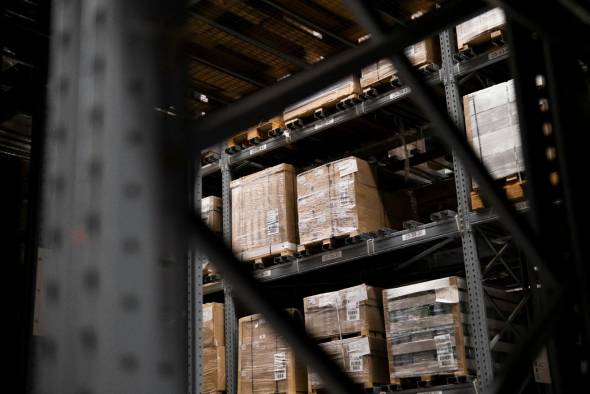
Looking to maximize your warehouse space without the costly step of expanding? Smart storage solutions can dramatically boost efficiency and free up valuable square footage. In this guide, we’ll uncover 9 quick wins to optimize your warehouse layout, streamline inventory flow, and leverage vertical and horizontal space—all while improving accessibility and reducing handling time. Discover how a well-organized and strategically equipped warehouse can transform your operations.
Maximize Vertical Space with Taller Storage Units
Leverage your facility’s ceiling height by installing taller racking systems. This approach optimizes cubic space, not just floor area. Consider pallet flow racking for efficient inventory rotation and increased density. Ensure forklifts and safety measures align with the new racking height. Vertical expansion can often double usable space. Utilize all available height before considering expansion.
Implement Narrow Aisle Layouts
Convert standard aisles to narrow or very narrow configurations to reclaim floor space. Specialized forklifts can navigate tight spaces efficiently. This shift can significantly increase storage capacity. Evaluate aisle width to balance capacity and safety. Redesign pathways to maximize flow without compromising accessibility. Smaller aisles create more space for racking within the same footprint.
Utilize Mezzanine Floors
Install a mezzanine to take advantage of unused vertical zones. This intermediate floor increases operational space without altering the building structure. Use it for storage, packing, or light production. Modular mezzanines allow flexibility in design and expansion. They’re especially effective in high-ceiling warehouses. Ensure compliance with structural and safety regulations.
Optimize Inventory Categorization
Organize inventory by demand level and turnover rate. High-frequency items should stay accessible at lower levels. Slow-moving goods can go on higher racks. This categorization reduces retrieval time and increases picking efficiency. Use ABC analysis to map item storage needs. Regularly review SKU data and adjust placement accordingly. Efficient organization enhances space utility.
Use Stackable and Collapsible Containers
Switch to stackable bins and collapsible containers to save space. Easily organize products vertically while simplifying access and retrieval. Stack containers when full and collapse them when empty. This method reduces clutter and maximizes floor space. Consistent container sizes allow better planning of storage layouts. Durable materials ensure safety while stored vertically.
Apply Cross-Docking Techniques
Implement cross-docking to reduce storage needs for high-turnover products. Received goods are directly sent to shipping without long-term storage. This streamlines flow and lessens shelf demands. It’s ideal for time-sensitive or regularly replenished items. You’ll free up space otherwise held by temporary stock. Train staff to manage real-time inventory transitions effectively.
Invest in Mobile Shelving Systems
Mobile shelving units eliminate fixed aisles and provide compact storage. These systems move on tracks, opening only where access is needed. Perfect for archives, tools, or seasonal items. You recover significant space usually lost to fixed aisles. Automated or manual options exist, depending on budget. Prioritize high-density, low-access goods for these systems.
Audit and Remove Obsolete Inventory
Conduct regular inventory audits to identify and remove dead stock. Obsolete items consume valuable storage for no return. Recycle, donate, or liquidate outdated goods. Real-time inventory tracking helps prevent future build-up. Create a standard process for phasing out non-moving goods. Cleaner shelves improve access and reveal unused capacity.
Implement Dynamic Slotting Strategies
Use dynamic slotting to adjust storage locations based on real-time demand. Software can analyze sales trends and suggest optimal SKU placement. Frequently accessed items should be placed within easy reach zones. Relocate low-demand items to less prime areas. This strategy increases overall efficiency and reduces wasted space. Periodically reevaluate slotting plans.
Build a Continuous Optimization Strategy
Warehouse optimization should be an ongoing process rather than a one-time project. Regularly reviewing layouts, storage systems, and inventory data helps identify new opportunities to improve efficiency. By combining smart storage practices with consistent monitoring, businesses can maintain flexible, scalable warehouses that adapt to changing demand while maximizing available space.

Your blog is a true hidden gem on the internet. Keep up the excellent work!