

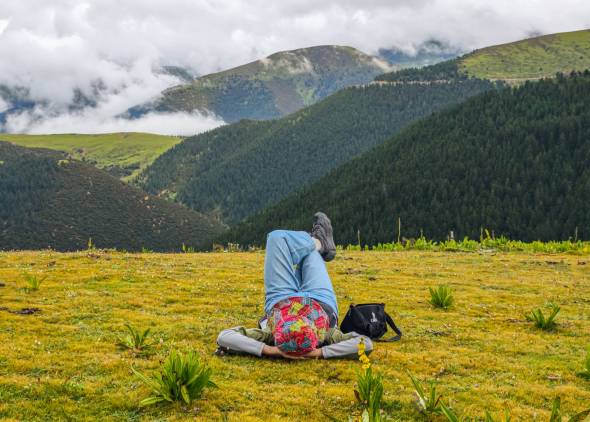
Typically, travel schedules are similar to scavenger hunts, you arrive at a specific location, take a picture, and rush to the next destination before the light changes. Slow travel works the other way around. It selects a place and requires you to stay there long enough so that it can feel like home. This is the only way to turn a place from a scene into a real-life experience.
Checklist Tourism Blurs Everything Together
Visiting fewer places for more time each lets you understand what their daily rhythm feels like, get a sense of what ingredients taste like when they’re prepared by people who grew up with them, of what a church sounds like when you’re inside alone because you’re there at a moment when nobody else is interested. And, just as with food, the experience is richer when you can sample widely rather than just nibbling at the edges.
The profound thrill of Slow Travel, of giving yourself over to a patch of the world for a handful of your limited days walking on it, is that as you become more of a temporary local, the locals become a bit less foreign. They’re not just faces you pass by or servers who want you to be on your way to make room for the next order, they’re Alina working the produce stall who’s pretty sure she recognizes you from the bakery and will help you be less off-puttingly excessive when you can’t buy a whole kilo of plums that are in any case way past their prime. They’re Megumi who tends bar at a rather forbidding watering hole but is thrilled by the tiny origami dog you made for her, and if you come back the next day she’ll have a bottle of the special stuff set aside for you because you tried the last one without even grimacing.
The Real Payoff is Cultural Exchange, Not Just Scenery
Let’s be real here, no trip is going to make you a bonafide expert on a place, especially not one historical. But there’s a difference between Googling three fun facts to impress your friends with over drinks and getting a real sense of a culture’s narrative arc. It’s the difference between knowing that the UAE’s Saadiyat Island has museums and beaches and understanding the living culture underneath, the traditions, the everyday rhythms of the community, and why things are the way they are. For that kind of experience, you need to come to a place more than once. Enough that you can let an interest blossom organically, see a thread you want to tug on, and then pull it.
There is no shortcut to creating unscripted experiences for yourself and letting those shape your view. A hasty one-day acquaintance with a country translates to three or four conversations had with one ear already cocked towards the door. A longer trip lets you settle in and listen.
Your Money Stays Where You’re Standing
Extended stays can also adjust where your money is going in the first place. For instance, when you book a homestay or a boutique guesthouse, that cash is going into the pocket of a family (who likely spends most of it locally) and not the bank account of a big corporation halfway around the world. When you shop at the local store and eat at family-run restaurants rather than giving your money to massive chains that have set up shop in a resort town, you’re injecting your money straight into the local economy. Unfortunately, it’s become increasingly difficult to be this kind of conscientious spender in many popular cities and regions. Overtourism has made headlines worldwide in the past two years, and many people now readily avoid certain destinations because of it. Slow travel likely helps us all to spread out a bit more.
Slower Trips Are Measurably Lighter on the Planet
There’s an environmental case here too, and no, it’s not a minor one. Transport, and especially flying, is the biggest contributor to tourism’s climate toll. Tourism is responsible for around 8% of global greenhouse gas emissions, and every short-haul flight between cities drives that toll up. Slow travel cuts it down by default. The other irony here is that the opportunity cost of taking those flights is greater enjoyment.
You Don’t Need a Sabbatical to Travel Slow
None of this necessitates handing in your notice and getting a one-way ticket to Shangri-La, although the rise of the digital nomad does mean more people now think of spending months in one place as a normal vacation. One good district will make you happier than three cities will make you dizzy. One island that you choose to spend five days settling into will leave you with more memories than a five-day tour of the same island you can’t really distinguish from your last vacation. Pick a place with enough cultural density to reward attention, whether that’s a heritage-rich city district or a coastal community with its own calendar of seasonal festivals, and let it set the pace instead of the other way around.
Decision fatigue is a real affliction, but it doesn’t need to be cured with advanced planning. A vacation should put the planning aside for a bit. Let the place do that deciding for you.