

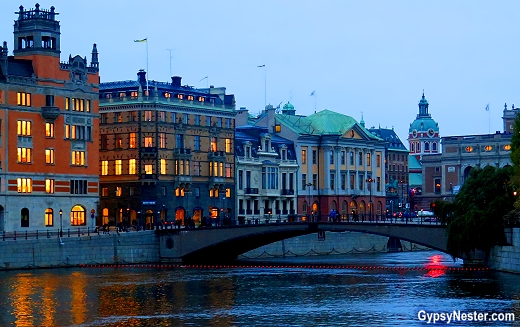
If you love stories whispered through castle corridors, cobbled streets and centuries-old landmarks, a Nordic countries tour is the perfect adventure. The region’s history is as rich as its landscapes, filled with tales of Vikings, monarchs, artists and explorers.
Travelling through Denmark, Norway, Sweden, Estonia, Finland and Iceland reveals how each country balances deep tradition with modern innovation. Every stop offers a glimpse into the North’s living heritage, where the past is beautifully preserved in palaces, museums and natural wonders.
Denmark: Castles, Kings and Creative Legacies
Begin your journey in Copenhagen, Denmark’s regal and creative capital. The best place to start is Kronborg Castle, the UNESCO-listed fortress immortalised by Shakespeare as Hamlet’s Elsinore. Its grand halls and underground tunnels bring centuries of Danish history to life.
Nearby, Frederiksborg Castle is another masterpiece of Renaissance architecture. Built by King Christian IV, it houses the Museum of National History, where paintings and royal treasures trace the evolution of the Danish monarchy.
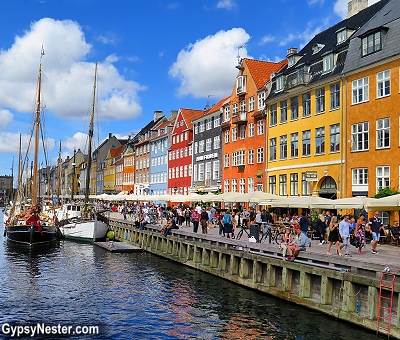
After exploring the castles, wander through Nyhavn, once a bustling 17th-century harbour. Its colourful façades, cobblestone streets and moored wooden ships still carry the spirit of Denmark’s seafaring past.
Norway: From Viking Legends to Polar Pioneers
In Oslo, history meets adventure. Start at Akershus Fortress, a 13th-century stronghold that has served as a royal residence, military base and prison. Its views over the Oslofjord remind visitors of Norway’s enduring connection to the sea.
Next, visit the Fram Museum, home to the legendary ship Fram. It carried Norwegian explorers like Fridtjof Nansen and Roald Amundsen to the most extreme corners of the world. Standing on its preserved deck feels like stepping into a frozen moment in time.
To experience Norway’s artistic side, explore the Munch Museum. The works of Edvard Munch, including The Scream, reveal how Norway’s modern identity was shaped by expression, emotion and resilience.
Sweden: Royal Palaces and Maritime Marvels
Travel east to Stockholm, a city of islands where history and elegance meet. In Gamla Stan, the Old Town, you’ll wander narrow alleys lined with pastel houses and medieval churches. Every turn reveals a new story from Sweden’s royal and cultural past.
The Royal Palace remains one of Europe’s largest active royal residences. Its ornate chambers and ceremonial guard displays reflect centuries of Swedish pageantry and power.
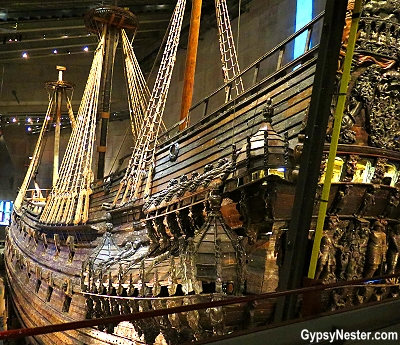
Then head to the Vasa Museum, home to a 17th-century warship that sank on its maiden voyage and was salvaged more than 300 years later. Its intricate carvings and towering masts offer a fascinating glimpse into Sweden’s naval ambitions.
If you venture outside the city, Drottningholm Palace is a serene retreat of gardens, sculptures and lakeside beauty. It is still the private home of Sweden’s royal family and a picture of 17th-century grandeur.
Estonia: Medieval Magic in Tallinn
A short ferry crossing leads to Tallinn, Estonia’s enchanting medieval capital. The Old Town is one of Europe’s best preserved, with winding lanes, gothic spires and red-roofed towers straight from a storybook.
Begin at Toompea Castle, a symbol of Estonian power for nearly a millennium and now home to the country’s parliament. Its walls have witnessed centuries of conflict, independence and resilience.
Nearby, the Alexander Nevsky Cathedral stands as a reminder of Russian influence, with its striking domes and mosaics. Just beyond, Kadriorg Palace, built by Peter the Great, captures a more romantic side of history with its ornate baroque design and manicured gardens.
Finland: Neoclassical Beauty and Artistic Brilliance
In Helsinki, neoclassical architecture and Nordic modernism blend seamlessly. Start at Senate Square, framed by the gleaming white Helsinki Cathedral, a national symbol of faith and freedom.
For art lovers, the Sinebrychoff Art Museum offers a peaceful escape. Set inside a 19th-century mansion, it features works by Rembrandt, van Dyck and other European masters, all beautifully displayed within elegant historic rooms.
A day trip to Porvoo reveals another side of Finnish heritage. Its colourful wooden houses, riverside warehouses and cobblestone streets tell stories of merchants and craftsmen who helped shape Finland’s early identity.
Iceland: Vikings, Volcanoes and Natural Wonders
Finish your exploration in Iceland, where nature and history intertwine. In Reykjavik, visit Althing, the world’s oldest parliament, founded in 930 AD. Its influence extends to Þingvellir National Park, where democracy was born amid lava fields and shifting tectonic plates.
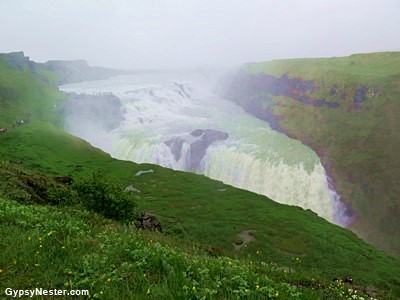 The Golden Circle route showcases Iceland’s dramatic landscape and the legends tied to it. Watch the Strokkur geyser erupt, feel the mist from Gullfoss waterfall and explore the volcanic crater lake of Kerið. Each site reflects the island’s relationship with its powerful natural environment.
End your journey in a geothermal lagoon, where Icelanders have bathed for centuries. The tradition, rooted in Viking times, captures the country’s spirit of renewal and connection to the land.
A Living History Across the North
A Nordic countries tour isn’t just about landmarks. It is about stepping into a shared cultural story that stretches back over a thousand years.
Denmark’s royal courts, Norway’s explorers, Sweden’s seafaring might, Estonia’s medieval beauty, Finland’s artistry and Iceland’s volcanic soul all form part of a remarkable historical tapestry.
For history lovers, few regions offer such depth and variety. In the Nordics, the past is not just preserved in museums. It is alive in the architecture, traditions and people who carry it forward every day.

This post came up in my search results and I’m so glad it did! Thanks for making this topic approachable and understandable!