

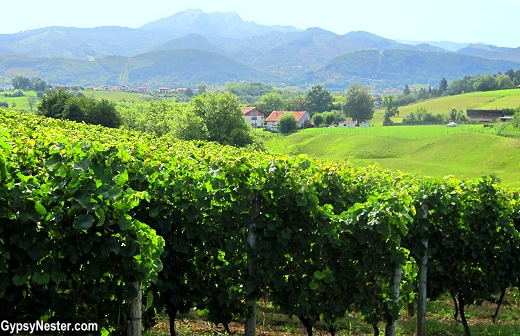
Travel is often about discovering the stories behind the places we visit. From traditional farming villages and colourful botanical gardens to historic agricultural landscapes, every destination has something unique to teach us about nature. One fascinating part of this experience is discovering how seeds have shaped different regions, influenced local traditions, and connected communities across the world.
Whether exploring the countryside of Australia, visiting rural communities in Europe, or wandering through agricultural landscapes in Asia, travellers can find interesting stories hidden in the plants growing around them. Seeds may be small, but their history connects continents, cultures, and generations.
For travellers who enjoy nature, history, and unusual cultural experiences, exploring the world through its seed heritage offers a different perspective on familiar destinations.
How Seeds Connect Different Parts of the World
Seeds have played an important role in human history for thousands of years. Long before modern transportation and international trade, communities exchanged agricultural knowledge and plant varieties through migration, exploration, and trade routes.
As people moved between regions, they carried seeds that could grow in new environments. Over time, these exchanges influenced local agriculture, food traditions, and landscapes.
Consider a few examples:
-
- Asia: Rice cultivation has shaped the agricultural traditions and everyday lifestyles of numerous communities across the continent.
- South America: Potatoes originated in the Andes and eventually became an important crop in many parts of the world.
- Africa: Traditional crops such as sorghum and millet have supported communities in regions with challenging climates.
- Europe: Centuries of agricultural exchange introduced new crops and growing practices that transformed local food cultures.
- Australia: The country’s diverse climates support distinctive native plant life and agricultural traditions.
These connections make seeds an interesting subject for travellers who want to understand how different destinations developed over time.
Discovering Australia’s Rich Natural and Agricultural Heritage
Australia offers plenty of opportunities for travellers interested in nature, plants, and agriculture. Its landscapes range from tropical rainforests and coastal environments to dry inland regions and fertile agricultural valleys.
Each environment supports different types of vegetation, creating a fascinating variety of natural experiences.
Visitors interested in Australia’s plant heritage can explore:
-
- Botanical gardens: These spaces introduce visitors to native and international plant species while providing information about conservation.
- Agricultural regions: Rural destinations offer a closer look at farming traditions, seasonal crops, and local produce.
- Native plant landscapes: Exploring natural environments helps visitors understand how vegetation adapts to different soil conditions and weather patterns.
- Local markets: Farmers’ markets provide opportunities to discover regional fruits, vegetables, herbs, and other agricultural products.
For anyone planning a nature-focused Australian trip, these experiences can add an educational element to the usual sightseeing itinerary.
Why Seed Diversity Matters Around the World
One of the most interesting things about seeds is the enormous variety found across the planet. Different plant varieties have developed characteristics suited to particular environments, including variations in size, growing seasons, water requirements, and resistance to environmental conditions.
This diversity is important not only for agriculture but also for preserving the natural heritage of different regions.
According to the Food and Agriculture Organization (FAO), more than 6,000 plant species have been cultivated for food, but fewer than 200 make major contributions to global food production. Just nine account for 66% of total crop production.
These figures highlight why protecting plant diversity is so important. When fewer varieties dominate agricultural production, communities can become more vulnerable to environmental changes, pests, and diseases.
Travellers can learn about these issues by visiting agricultural museums, botanical gardens, conservation centres, and seed preservation projects.
For additional information, explore the FAO’s State of the World’s Biodiversity for Food and Agriculture report.
Exploring the History of Seeds and Traditional Cultivation
Every region has its own agricultural story. Traditional cultivation methods often reflect generations of knowledge about local weather, soil conditions, and available natural resources.
In many communities, farmers have carefully selected and preserved seeds to maintain plant varieties that perform well in their surroundings.
These practices are particularly interesting for travellers because they reveal how people have adapted to their environments.
For example:
-
- Farmers in dry regions have historically selected crops that can survive with limited rainfall.
- Mountain communities have developed growing practices suited to shorter growing seasons and changing temperatures.
- Tropical regions support a wide range of plant varieties adapted to warm and humid conditions.
- Coastal communities have developed agricultural practices influenced by salty air, sandy soil, and local weather patterns.
Cannabis seeds also have a long history of cultivation across different parts of the world, with varieties associated with different geographical and cultural backgrounds. Travellers researching this specialist area can explore Sacred Seeds Australia as an example of Australia’s cannabis seed market.
Understanding this history provides another interesting perspective on how plant varieties have become associated with particular regions.
How Climate Influences Seeds and Plant Varieties
Climate is one of the biggest factors influencing plant growth. Temperature, rainfall, humidity, sunlight, and soil conditions all affect how plants develop and reproduce.
This is why a plant variety that grows successfully in one region may struggle in another.
Travellers exploring different climates can notice these differences through the vegetation surrounding them.
For example, Australia’s dry interior has vegetation adapted to limited water availability, while its tropical northern regions support lush plant growth. Similarly, the Mediterranean climate is known for vegetation that can withstand hot, dry summers and relatively mild, wet winters.
Climate also influences agricultural calendars. Some destinations have specific planting and harvesting seasons that shape local festivals, markets, and food traditions.
If you enjoy learning about nature while travelling, visiting a destination during its agricultural season can provide a much deeper understanding of local life.
Seed Banks and the Importance of Preserving Plant Heritage
While many travellers enjoy discovering plants in their natural surroundings, fewer realise how much work goes into preserving their diversity for future generations.
Seed banks play an important role in this process. They collect, document, and store seeds under controlled conditions to help protect plant genetic resources.
These collections can support scientific research, agricultural development, and conservation efforts.
Some important reasons for preserving seeds include:
-
- Protecting biodiversity: Maintaining different plant varieties helps prevent the loss of valuable genetic resources.
- Supporting future agriculture: Stored seeds can help researchers develop crops with useful characteristics.
- Preparing for climate challenges: Genetic diversity can provide valuable traits that help plants adapt to changing environmental conditions.
- Preserving traditional knowledge: Local seed varieties often reflect generations of agricultural experience.
For travellers interested in educational experiences, learning about seed conservation can add an unexpected dimension to visits involving agriculture, science, and environmental protection.
Making Seed Heritage Part of Your Next Travel Experience
You do not need to be a professional gardener or agricultural expert to appreciate the world of seeds. A little curiosity can turn an ordinary sightseeing trip into an opportunity to discover something new.
When visiting a destination, consider exploring its local agricultural markets, botanical gardens, countryside attractions, and nature conservation projects.
You can also learn about regional crops by speaking with local guides, visiting farming communities, or trying traditional dishes made with locally grown ingredients.
A few simple ways to make these experiences more meaningful include:
-
- Research the native plants and agricultural traditions of your destination before travelling.
- Visit botanical gardens to understand local and international plant diversity.
- Explore rural areas to see how farming practices differ between regions.
- Learn about local conservation projects and their efforts to protect native vegetation.
- Try regional foods and discover the crops and ingredients behind traditional recipes.
These activities offer a more personal connection with a destination and help travellers appreciate the relationship between people, plants, and landscapes.
Conclusion
Seeds tell stories that extend far beyond gardens and farms. They reveal how communities have adapted to different environments, exchanged knowledge, preserved traditions, and shaped the landscapes we explore today. From Australia’s distinctive natural environments to the historic agricultural regions of Asia, Europe, Africa, and South America, every destination offers something interesting to discover.
The next time you plan a trip, consider looking beyond famous landmarks and popular attractions. Explore local plant life, visit agricultural destinations, and learn about the seeds that have influenced regional cultures. These small discoveries can make your travels more meaningful while giving you a greater appreciation of the natural diversity that connects our world.