

Dubai is one of the easiest cities in the world to take a photograph in and one of the hardest to take a good one in. The buildings are spectacular, the desert is half an hour away, and for most of the day the light is so flat and so bright that everything you shoot comes back looking like a brochure nobody designed.
Here is what actually works, learned the way most things are — by getting it wrong first.
The light is the whole problem
Between about ten in the morning and four in the afternoon, the sun sits almost overhead. Glass towers go white, faces get raccoon shadows under the eyes, and the sand loses every ripple that made it interesting. No amount of editing brings that back.
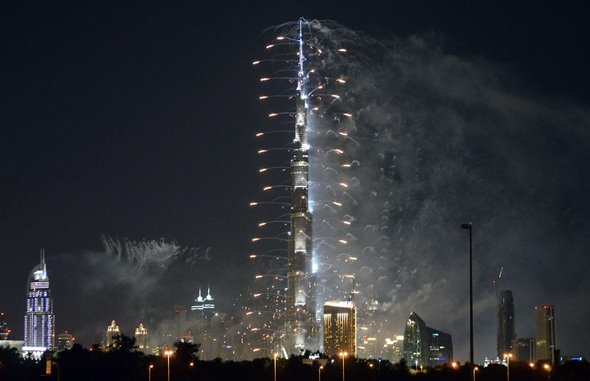
You have two windows. The hour after sunrise, which is also the only time the popular spots are empty and the temperature is survivable. And the hour before sunset, followed immediately by the twenty minutes after it — blue hour, when the sky goes deep cobalt and the city switches its lights on. For skylines, blue hour beats sunset by a wide margin, and almost nobody stays for it.
There is also haze. Dubai gets a fine dust that sits over the city and flattens distance. It is worst in summer and after windy days. Check the view before committing to a long lens shot of the skyline; some mornings the Burj Khalifa simply is not there.
Where to actually go
Al Fahidi and Al Seef. The old quarter, coral-and-gypsum walls, wind towers, narrow lanes. Best early, when the light comes in sideways down the alleys. This is the part of Dubai most visitors skip and most photographers end up liking best.
The Creek. Take an abra across for a dirham. Shoot from the boat, low to the water, with the dhows and the old warehouses behind. Late afternoon.
Jumeirah beach, looking at the Burj Al Arab. The obvious shot, and still a good one at sunset when the building catches the last light. Get down low and use the wet sand as a mirror.
The dunes. Forty minutes inland. Go at sunrise for unbroken sand — by the afternoon the ridges near the road are covered in tyre tracks and footprints. Underexpose slightly; cameras want to turn sand grey.
Dubai Marina and JBR. Best at blue hour from the walkway, or from one of the bridges looking down the water at the towers.
Sheikh Zayed Road. A footbridge, a tripod, a slow shutter, and the traffic does the rest.
What needs a permit
This is where visitors get caught out. Casual photography with a phone or a small camera is fine almost everywhere. Tripods, large lenses, lighting equipment, drones and anything that looks commercial are a different matter, and several of the most photographed locations in the emirate require a permit for a proper shoot.
The practical rules of thumb: do not fly a drone without going through the proper channels, and assume the answer is no near airports, which in Dubai is a large part of the map. Do not photograph people without asking, particularly women and particularly local families — this is taken seriously here in a way it is not in Europe. Government buildings, ports, military sites and airports are off limits. And if a security guard asks you to stop, stop; arguing does not work and does not need to.
If you are planning anything beyond snapshots — a portrait session, an anniversary shoot, anything with equipment — it is worth hiring someone local rather than working it out yourself. A professional photographer in Dubai will already know which locations need paperwork, which dune faces the right way in which month, and what time the tide leaves the beach usable, which saves you the two hours of guesswork that an unfamiliar city otherwise costs you.
Keeping the gear alive
Heat and sand are the enemies. Do not change lenses outdoors in the desert, ever — the dust is fine enough to get everywhere and it does not come out. Let the camera warm up gradually when you go from an air-conditioned car into the outdoors, or the front element fogs and you lose ten minutes. Carry more batteries than you think; heat drains them faster than cold does.
A microfibre cloth lives in your pocket, not your bag. And a cheap plastic bag over the camera in the dunes is inelegant and completely effective.
If you are shooting on a phone
Most of the above still applies, particularly the timing. Two things help more than anything else: lock the exposure by tapping and holding, then drag down to darken the sky rather than letting the phone blow it out. And get lower. Almost every phone photograph of a city is taken from exactly eye height, which is why they all look the same.
Turn the flash off permanently. It has never improved a photograph of a building.
The one that always works
If you only have one evening, do this. Be at the Marina walkway forty minutes before sunset. Shoot the towers while the light is warm. Stay put when the sun goes and everyone else leaves. Fifteen minutes later the sky turns a blue you cannot get any other way, the windows come on, and the water holds all of it.
Then go and eat something. You have earned it.