
Search…

Essential Yacht Care for First-Time Owners

Proper yacht care protects your investment by keeping key systems running smoothly and preserving both performance and value. Proactive maintenance also adds a layer of safety by spotting potential faults early, preventing them from developing into more serious risks… CONTINUE READING >>

Proper yacht care protects your investment by keeping key systems running smoothly and preserving both performance and value.

Following your manufacturer’s upkeep guidelines and scheduling regular check-ups helps you avoid pricey fixes and keep everything operating at its best, which supports the vessel’s worth over time.

Proactive maintenance also adds a layer of safety by spotting potential faults early, preventing them from developing into more serious risks.

By staying on top of these tasks, you keep your yacht in great shape, making practical financial sense and safeguarding everyone on board.

Establishing a Maintenance Schedule

Consulting the manufacturer’s manuals is vital when putting together a solid care plan. These references provide suggested intervals and steps that protect your yacht’s performance and overall worth.

Following the recommended guidelines lets you tackle potential issues early, keeping each system running at its best. Local conditions, like high salt content in warm-water locations, can speed up corrosion, so you might need more regular upkeep.

By blending the manufacturer’s advice with awareness of your surroundings, you help ensure a safer voyage and a longer service life for your yacht.

Core Areas of Yacht Maintenance

Engine Maintenance

Regular oil changes keep your engine in good shape. Oil wears down over time, collecting grime, so switching it out every 100 hours or at least once a year helps you dodge problems.

Swapping fuel filters and checking fuel lines also prevents debris and moisture from disrupting performance, saving you from bigger headaches later on.

It’s just as important to look after your cooling system. In hot weather, you want to be sure water is flowing correctly and that there aren’t any obstructions that could cause overheating.

Routine checks keep the engine at a stable temperature, reducing the chances of expensive damage and helping it stay reliable on longer journeys.

Hull and Exterior Care

Regular washing clears away the corrosive salt that builds up during use, reducing its ability to harm the hull. Frequent cleaning also helps prevent salt from wearing down the protective layer and causing premature damage.

Waxing after a wash maintains a sleek look and creates a shield against harmful UV rays and oxidation, thereby preserving the yacht’s finish.

It is essential to check the hull regularly for cracks, chips or any other visible flaws. A careful inspection can highlight areas where the gel coat may be weakening, allowing quick fixes before moisture gets in or further decay takes hold.

Taking care of small flaws immediately keeps them from turning into major structural headaches, securing both your yacht’s performance and its overall value.

Electrical and Battery Systems

Regularly inspect wiring, fuses, and connections for any outward signs of damage or rust that might cause malfunctions. If you find worn wires, swap them out promptly to avoid short-circuits once you’re underway.

Checking that connections are secure also helps prevent sudden failures or unusual performance in your onboard electronics.

A healthy battery is crucial for reliable power. Give it a look at the start of each season, brush away any corrosion using a mild baking soda solution if required, and replace it if you notice a drop in performance.

For extended downtime, disconnect the battery or use a maintainer to stop it from losing charge. This helps avert unpleasant surprises and keeps essential equipment—like lights and communications—ready for use whenever you head out.

Cleaning and Interior Preservation

Regular interior cleaning is essential for keeping mildew and odours at bay, especially with the moisture that can build up over time.

Start by wiping down all surfaces with a marine-grade cleanser that tackles salt residue and dirt. In areas prone to damp, like the galley or cabin, use a mild antifungal spray or a diluted vinegar mix to discourage mould.

Vacuum carpets and upholstery often to remove grit, then follow up with a damp cloth to mop away any stubborn salt deposits. Let everything dry fully afterwards—either by airing out the interior or using a dehumidifier—so you don’t end up with a musty cabin.

Protecting upholstery, flooring, and other surfaces is about both quick clean-ups and a bit of forward thinking. Rinse fabrics and vinyl with fresh water after exposure to salt and strong sun, as salt can gradually weaken them.

If your seating sees frequent sunlight, treat it with a UV-protective product to slow fading and keep materials sturdy. Smooth, non-porous surfaces benefit from a suitable coating made for marine life, which shields them from salt damage and harsh rays.

It also helps to do regular checks so you can catch early signs of wear, letting you fix small issues right away before they escalate into bigger concerns.

Seasonal Preparations

Drain every water system carefully. Even a small amount of trapped water can freeze and cause major headaches once temperatures drop.

Start with the bilge, then clear the engine, and finally move on to the fresh water lines. After that, pour antifreeze into your engine and cooling systems for extra protection.

For off-season storage, use a sturdy waterproof cover to guard against dust, dampness, and harsh sunlight. Position your yacht on a level, stable surface in a dry spot, helping to reduce structural strain through the winter months.

Ensuring On-Board Safety

Keeping all safety gear in working order is essential whenever you venture out. Every passenger must have a properly sized life jacket, offering immediate support if anyone ends up overboard.

Flares are crucial for signaling that you need help, and a regularly checked fire extinguisher adds a layer of protection in case of onboard fires, particularly near gas-powered systems.

It’s just as vital to confirm that communication and positioning devices—like GPS units and VHF radios—are in solid condition. Look over batteries, cables, and connections so these devices stay reliable if bad weather hits or something unexpected happens.

Well-maintained equipment means you can call for assistance in moments rather than minutes, and you’ll still be able to steer precisely even under challenging circumstances.

Seeking Professional Help

For complicated mechanical problems or extensive repairs, bringing in qualified professionals is crucial. Although ordinary upkeep is often doable by the owner, specialized technicians from Simpson Marine’s Jakarta offices have the expertise and proper gear to handle more involved systems in line with the manufacturer’s guidelines. Regular inspections by experienced pros can uncover hidden wear or corrosion early, sparing you bigger, pricier fixes. These evaluations help identify underlying issues, extending the yacht’s service life and preserving its overall worth. Relying on seasoned experts is a smart move that boosts safety and peace of mind whenever you venture out.

Valuable Lessons for New Yacht Owners

Regular maintenance preserves your yacht’s peak performance and extends its service life, preventing minor problems from turning into costly repairs.

Whether you’re looking after the engine, hull, or onboard systems, these routine inspections keep everything running smoothly and protect your investment for the long haul.

It’s equally important to keep up with new tips and expert guidance. Emerging approaches and equipment continue to influence best practices, so reputable sources like The Luxury Playbook can offer practical ideas.

By following the latest recommendations, you can optimize your maintenance strategy, adapt to shifting marine conditions, and bolster the safety and lifespan of your vessel.

These 5 Travel Spots Take Two Wheels to the Next Level

Whether you’re a seasoned cyclist or someone who just wants to try something new while traveling, these spots are worth every pedal…
CONTINUE READING >>

For anyone who loves being outside, there’s something magical about exploring a place on two wheels. Cars go too fast and walking can only get you so far, but a bike opens up the rhythm of a city in just the right way. You can feel the sun on your face, wind brushing past your shoulders, and a real sense that you’re part of the world around you, not just passing through it. Some cities are especially welcoming to this kind of outdoor lifestyle, blending beauty, accessibility, and bike-friendly attitudes that make every ride feel like a little slice of freedom. Whether you’re a seasoned cyclist or someone who just wants to try something new while traveling, these spots are worth every pedal.

Amsterdam, Netherlands: Where Biking Is the Norm, Not the Exception

Amsterdam doesn’t try to be bike-friendly. It just is. That’s what makes it so easy to fall in love with. The entire city moves in sync with bicycles. There are designated bike paths, bike-specific traffic signals, and drivers who are fully aware that bikes rule the road here. Locals zip past canals, flowers spill from every windowsill, and you can hear the creak of old bike baskets carrying groceries or someone’s dog on the way to the park.

But what surprises a lot of people is just how natural it feels to be a part of it. You don’t have to be an expert or wear any special gear. Renting a bike for the day and rolling through Vondelpark or over the famous Magere Brug feels like slipping into the flow of everyday life. Even for travelers who usually rely on rideshares or subways, Amsterdam offers a refreshing, slower, and more connected way to explore.

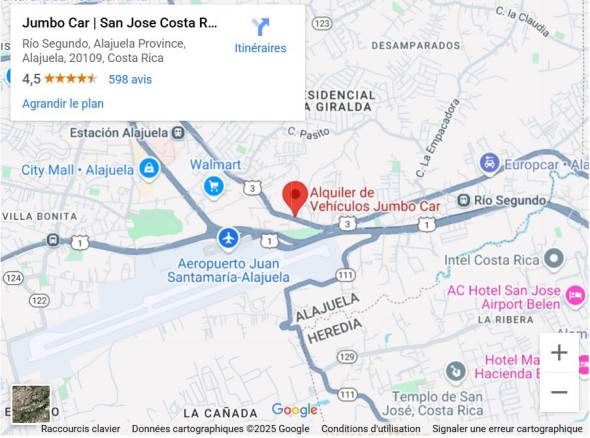
San José, Costa Rica: Green Living Meets Two-Wheeled Adventure

Not many people think of San José first when they picture great biking cities, but that’s part of the magic. It’s not overcrowded with tourists, and it sits at the heart of a country that lives and breathes the outdoors. Costa Rica has worked hard in recent years to make its capital more bike-accessible, especially as interest in eco-travel has grown.

You’ll find colorful bike lanes snaking through markets, leafy neighborhoods, and street art-lined alleys that pulse with music and life. The hills offer just enough of a challenge without being punishing. And what’s really special is how biking here connects you with the larger adventure waiting just outside the city—volcanoes, rainforests, and beach towns you can reach by shuttle or train, then continue exploring on two wheels. There’s a growing community of Costa Rican bicycle tours that take travelers through both the urban energy and the natural beauty, often in the same afternoon.

Breckenridge, Colorado: For the Riders Who Crave the Mountains

This one’s for the outdoor lovers who want elevation, dirt trails, and a good dose of adrenaline. Breckenridge is often known for its winter sports, but when the snow melts, it becomes a biking paradise. The views are jaw-dropping, with winding trails through pine forests and open fields full of wildflowers that stretch across the mountains like a painting.

Even if you’re new to off-road biking, it’s easy to get started. There are instructors, trail maps, and smooth beginner paths for people who just want to try it out. And if you’re more experienced, there are switchbacks and downhill runs that will have your heart racing in the best way. Local shops make it easy to gear up, and the convenience of a Breckenridge mountain bike rental means you can go from street clothes to trail rider in under half an hour. The town itself is compact, charming, and filled with places to grab a bite or a beer after a ride, making it easy to slip from adventure back into relaxation.

Copenhagen, Denmark: Biking with a View of the Future

Copenhagen feels like the kind of place where everything just works. It’s not just stylish and clean—it’s thoughtful. Nowhere is that more obvious than in the way people move around. Bikes glide along broad, elevated paths, separated from cars by thoughtful design rather than barriers. Everyone from students to businesspeople to parents with children rides without hesitation, and the city has made it clear that cycling is not only welcome—it’s celebrated.

Summer Travel Idea: Escape to Breathtaking Newfoundland

Breathtaking vistas, natural wonders, and fabulous people combine to make the island of Newfoundland one of our favorite places on earth.

Here’s why we think Newfoundland should be at the top of everyone’s bucket list… CONTINUE READING >>

Stunning sea cliffs on the Gulf of St. Lawrence, Newfoundland

Breathtaking vistas, natural wonders, and fabulous people (so nice, we actually felt guilty at times!) combine to make the island of Newfoundland one of our favorite places on earth. Here’s why we think Newfoundland should be at the top of everyone’s bucket list:

The Beauty is Unmatched

Waterfall view while zip lining in Newfoundland with Marble Zip Tours

Find yourself fording fjords, ziplining over waterfalls, gazing at (and over) sea cliffs, watching whales, playing with puffins and that’s just the tip of the… oh, yes, iceberg. Best of all, you can “drive” your own car or RV onto this island province.

It’s One of the Few Places that You Can Walk on the Earth’s Mantle

The Tablelands - step on to the Earth's Mantle in Newfoundland!

Of Newfoundland’s many wonders, Gros Morne National Park is the heavyweight champ. It is one of the only places in the world where humans can set foot upon rocks that have risen from deep within the Earth’s mantle. But barren outer space landscapes are only a small part of Gros Morne’s championship qualities – there are other are textbook examples of the forces of nature. Fjords, glacial valleys, and cirques are the definitive features throughout most of the park.

See more Gros Morne

See Where America was Actually Discovered

The L'Anse aux Meadows National Historic Site, NewfoundlandSome five hundred years before Columbus “discovered” America, the Vikings landed at The L’Anse aux Meadows National Historic Site on the northwestern tip of Newfoundland. Through displays, replicas of housing and ships, Viking reenactors, and exploring the original foundations of their buildings, the lives of those ancient intrepid Norse explorers come alive to modern visitors.

See more L’Anse aux Meadows

Kayak with Humpback Whales & Icebergs

Kayaking with Icebergs in Newfoundland

Turn yourself loose to kayak in whale-infested waters outside of the picturesque town of Twillingate. The area is known as Iceberg Alley and, when the sun is bright, the sea dances with light, sea animals, and more shades of blue than a mind can process.

WATCH: Seriously, one of the best days of our lives! We were right in amongst a serious amount of sea creatures – and icebergs!

See more Twillingate

See the Birds of St. Mary’s

Bird Rock at Cape St. Marys in Newfoundland

On the far southern tip of the island, smack dab in the middle of nowhere, is Cape St. Mary’s Ecological Reserve. The free-standing island mountain in the middle of the park, known as Bird Rock, rises thirty stories straight up from the sea and is completely covered by gannets. The cliffs on either side of Bird Rock are covered black-legged kittiwakes and common murres. All in all, well over fifty thousand birds.

WATCH: SOOOO many birds!

See more Cape St. Mary’s Ecological Reserve

Get “Screeched In” to Become an Honorary Newfoundlander

Veronica kisses the cod as she gets Screeched In in Newfoundland

If you happen to be what the locals call “Come From Away,” then you face the prospect of becoming honorary Newfoundlanders by getting Screeched In. But beware, there are rules. The ceremony must be performed properly by a certified Screecher. (Spoiler: It involves kissing a cod!)

Watch us get Screeched In

Take a Spin in a Traditional Newfoundland Dory

A traditional Newfoundland dory! We took a took of Bay of Islands in it!

On Newfoundland’s west coast, in the Bay of Islands, a dory tour is an excellent way to see nature the way God intended it. Spot nesting eagles, jig a cod, admire wild land and seascapes, visit old timey fish cabins and eat mussels collected along the way.

See our dory tour!

Raft Down the Exploits River

Whitewater rafting on the Exploits River in Grand Falls - Windsor, Newfoundland, Canada

Take an exhilarating run down the gorgeous countryside of The Exploits Valley in Central Newfoundland. Best part? You get to say Exploits a lot.

See more about our rafting experience

Visit Dildo Run…

Dildo Run in Newfoundland, Canada

…and Virgin Arm. And Main Tickle. And Blow Me Down. And Come by Chance. And Pothead.

And, our favorite, Heart’s Content.

David & Veronica, GypsyNester.com

We are so grateful to Newfoundland and Labrador Tourism for making this adventure possible. As always, all opinions are our own.

See all of our adventures in Newfoundland!

Or continue exploring Newfoundland through her exciting food!

Nepal’s Iconic Treks: EBC, Langtang & Annapurna Circuit

In a world that moves as well quickly, these Himalayan trails welcome you to moderate down, breathe profoundly, and reconnect—with nature, with culture, and with yourself…
CONTINUE READING >>

Nepal, a destination for taking off peaks, old trails, and warm-hearted individuals, remains one of the most captivating goals for trekkers from all around the globe. Among the heap of trails, three treks have ended up incredible: the Everest Base Camp trek, the Langtang trek, and the Annapurna Circuit trek. These treks are not just courses through tough terrain—they are ventures into the soul of the Himalayas, each advertising a unmistakable window into Nepal’s magnificent magnificence, dynamic conventions, and otherworldly depth.

Everest Base Camp trek

Arguably the most famous trek in the world, the Everest Base Camp trek is a dream come true for globe-trotters and mountain climbers alike. The trip starts with an exciting flight to Lukla, a little airstrip roosted on a mountainside. From there, trekkers set off on foot, winding through a scene of pine timberlands, thundering waterways, and conventional Sherpa towns. As the elevation rises, the view becomes progressively stark and magnificent, overwhelmed by views of a few of the world’s most elevated peaks, counting Ama Dablam, Lhotse, and of course, Mount Everest itself.

The path climbs through the bustling Sherpa center of Namche Bazaar, an exuberant town that offers an idealized blend of social interaction and acclimatization. Here, trekkers can visit neighborhood historical centers, appreciate cafés ignoring the mountains, or climb to the adjacent Everest See Inn for their to begin with see of the forceful top. As the trek proceeds, the way leads to the otherworldly heart of the region: Tengboche Religious community, settled in the midst of all encompassing Himalayan seas. The peaceful chants of ministers and the fragrance of juniper incense make a sense of peace indeed in this tough wilderness.

Finally, after days of acclimatization and amazement, trekkers reach Everest Base Camp, arranged at 5,364 meters. Whereas you won’t see the summit from base camp, the colossal scale of the Khumbu Icefall and the encompassing peaks is extraordinary. Most trekkers moreover climb to Kala Patthar (5,545 meters) for the best close-up see of Mount Everest, especially amid dawn when the mountain shines in tones of gold and orange. 

Langtang trek

For those looking for tranquility absent from the swarmed trails of Everest and Annapurna, the Langtang trek offers a tranquil, however similarly staggering, involvement. Found a few hours’ drive north of Kathmandu, the Langtang region is frequently alluded to as Nepal’s “best-kept secret.” The path winds through lavish woodlands of rhododendron and bamboo, over crystal-clear streams, and through towns wealthy in Tibetan culture and tradition.

Unlike the EBC trek, which rotates around Everest and the Sherpa culture, the Langtang region is domestic to the Tamang individuals, who have near social ties with Tibet. Their one of a kind dialect, clothing, and way of life are a central portion of the trekking encounter. As you move through towns like Lama Lodging, Langtang Town, and Kyanjin Gompa, you experience conventional stone houses, supplication wheels, chortens, and rippling supplication banners that tell stories of confidence and endurance.

Encompassed by taking off peaks such as Langtang Lirung, this is a place of tranquility and reflection. Trekkers regularly spend a rest day here to investigate the region or climb adjacent Tserko Ri (4,984 meters) for an all encompassing see of the Langtang Himalayas. The climb is soak but fulfilling, advertising breathtaking views of snow-clad mountains, clearing valleys, and glaciers.

The Langtang region was deplorably crushed by the 2015 seismic tremor, and the scars of that calamity are still unmistakable. Be that as it may, the versatility of the nearby communities and their endeavors to revamp have brought unused life to the region. By trekking in Langtang, travelers not as it were witness extraordinary excellence but moreover contribute to the progressing recuperation and maintainability of a once-silent valley that is singing again.

Annapurna Circuit trek

Spanning over a expansive segment of central Nepal, the Annapurna Circuit trek is considered one of the most arranged and satisfying touring gests in the world. Not at all like the Everest or Langtang treks, which take after moderately direct ways, the Annapurna Circuit circles around the gigantic Annapurna massif, advertising changing scenes and societies at nearly each turn. The trip starts in the rich subtropical marshes of the Marshyangdi Stream Valley, where terraced ranches, waterfalls, and conventional Hindu towns make a warm and welcoming atmosphere.

As the path continuously rises, trekkers pass through changing environmental zones—from the green rice areas and rhododendron woodlands to snow capped glades and at long last to the windswept, high-altitude leaves of the Manang and Colt regions. Along the way, you’ll experience an assortment of ethnic bunches, counting Gurungs, Thakalis, and Tibetans, each with their own traditions, dialects, and otherworldly homes. This social combination is a characteristic of the Annapurna Circuit, making it as improving to the soul as it is challenging to the body.

It is the most noteworthy point on the circuit and a ceremony of section for those who endeavor it. Trekkers ordinarily begin the climb some time during the day break to dodge solid winds, and coming to the summit brings not fair staggering sees, but a significant sense of achievement. 

The plunge proceeds through the bone-dry excellence of Lower Colt, where the scene takes after the Tibetan level. Conventional towns like Kagbeni and Jomsom offer an interesting experience—mud-walled religious communities, apple plantations, and centuries-old exchange courses. Numerous trekkers conclude their travel at Tatopani, where characteristic hot springs offer an unwinding compensation after weeks on the path, or amplify it to incorporate Poon hill, celebrated for its astonishing earliest gleam sees over the Annapurna and Dhaulagiri ranges.

Choosing the Right trek for You

Each of these journeys — Everest Base Camp, Langtang, and the Annapurna Circuit has its claimed character, challenges, and prices. The EBC trip is idealized for those who bear to include the wonderfulness of the world’s most hoisted mountain and submerge themselves in Sherpa culture.. While it’s less capitalized , the experience is reasonable as critical, important given the astonishing value sees, social wealth, and availability. Langtang offers a noteworthy connection with nature and individualities in a further shown setting. The Annapurna Circuit, on the other hand, is a trip of contrasts Langtang offers a critical connection with nature and individualities in a further demonstrated setting.

The Annapurna Circuit, on the other hand, is a travel of contrasts. It combines the best of Nepal’s landscapes—lush valleys, tall mountains, parched deserts—and presents trekkers to a range of societies. Its well-developed framework, shifted courses, and teahouse housing make it a favorite among those looking for a longer, more immersive adventure.

When to Go and What to Know?

The best time to journey in spring (Walk to May) and gathering time (September to November) seasons. In the midst of these months, the climate is by and expansive clear, the temperatures are coordinated, and the mountain sees are at their best. Winter treks are conceivable but require true blue gear and arranging for cold and snow, especially at higher heights. Storm season (June to August) brings overwhelming downpours and destitute perceivability, making it less perfect for trekking, especially in landslide-prone areas.

Permits are required for all major treks. These incorporate the TIMS (Trekkers’ Data Administration Framework) card and particular national park or preservation region grants depending on the region. Contracting a neighborhood direct or doorman is profoundly recommended—not as it were for security and ease but too for supporting the nearby economy and picking up more profound bits of knowledge into the culture.

Teahouse trekking is the standard on these courses. Whereas a few offer hot showers and Wi-Fi, others in inaccessible zones may have as it were negligible civilities. 

Practical Tips for Trekking in Nepal

Acclimatize Appropriately: Height ailment is a genuine chance. Take your time, drink a bounty of water, and tune in to your body.

Hiring a guide or porter : Not required, but profoundly prescribed, particularly for security and route. It too underpins the nearby economy.

Teahouse Trekking: All three treks offer teahouse accommodations—basic lodges that give nourishment and lodging, regularly run by nearby families

Packing Basics: A great match of climbing boots, layered clothing, a resting sack, water filtration tablets, sunscreen, and a dependable rucksack are must-haves.

Respect Neighborhood Traditions: Dress humbly, inquire some time recently taking photographs, and take an interest deferentially in nearby rituals.

Conclusion

Trekking in Nepal is not fair around strolling from one point to another—it is almost grasping a travel that challenges the body, opens the intellect, and touches the heart. Whether you select to stand at the foot of Everest, meander through the enchanted valleys of Langtang, or total the circuit around the compelling Annapurna, you’ll return home with more than recollections. You’ll carry stories of towering peaks and warm grins, of shared suppers in mountain cabins, and of calm minutes when the magnificence of nature makes everything else drop away.

In a world that moves as well quickly, these Himalayan trails welcome you to moderate down, breathe profoundly, and reconnect—with nature, with culture, and with yourself. Nepal’s notorious treks are holding up, and each step you take is a step into something extraordinary. Contact us for more information.

Choosing a Bike for Cycling Touring

Remember that a comfortable and correct fit increases comfort and improves riding efficiency, reduces the risk of injury, and makes cycling more enjoyable…
CONTINUE READING >>

Choosing a bike for cycling touring is an important step that requires considering many factors. You must first determine your needs and riding style to make the right choice. Ask yourself the following questions⁚

How often and how far do you plan to ride?

What roads will you primarily travel on?

What gear will you be carrying?

What budget are you willing to allocate?

The answers to these questions will help you narrow your options and find the bike that best suits your needs.

Identify Your Needs

Choosing a bike for cycling touring starts with identifying your needs and riding style.

Here are some key factors to consider⁚

Ride frequency and distance⁚: If you plan on taking long, frequent rides, you’ll want a comfortable and efficient bike over long distances.

Terrain type⁚: The bike should be appropriate for the type of terrain you’ll be riding. A road or hybrid bike will do if you plan to ride mostly on paved roads. For off-road riding, a mountain bike is a better choice.

Gear to carry: If you plan to carry a lot of gear, you’ll want a bike with a sturdy frame and reliable racks.

Budget⁚ Bike touring bikes can range in price from a few hundred to a few thousand dollars. Figure out your budget before you start searching to narrow down your options.

Physical ability: Consider your physical abilities and fitness level. If you have any limitations, choose a bike that fits your abilities.

Riding style: Determine your preferred riding style. If you like to ride fast, a sports bike is for you. If you prefer a more relaxed ride, choose a more comfortable bike with an upright seating position.

Taking the time to understand your needs will help you choose a bike that suits your riding style and provides you with enjoyable and memorable rides.

Select your preferred bike type or rent one at bicycle rent in Cascais for a comfortable riding experience.

Once you have identified your needs, the next step is choosing the bike type for bike touring.

Here is a quick overview of the most popular options⁚

Road bike⁚ Designed for fast and efficient riding on paved roads. It has narrow tires, a lightweight frame, and a sporty seating position.

Hybrid bike: A versatile bike that combines the features of a road bike and a mountain bike. It has wider tires than a road bike and a more upright seating position, which makes it more comfortable on longer rides.

Mountain bike⁚ Designed for riding on rough terrain. Features wide, deep-tread tires, a sturdy frame, and a suspension fork.

Gravel Bike⁚ A hybrid between a road bike and a mountain bike, designed for riding unpaved roads and light off-road terrain. Features wider tires than a road bike but narrower than a mountain bike and a sportier riding position.

Touring Bike⁚ Specifically designed for bike touring. Features a sturdy frame, reliable racks, and a comfortable riding position.

Choosing the type of bike depends on your individual needs and preferences. Consider the terrain you’ll be riding, the gear you’ll be carrying, and your riding style.

Consider the size and fit.

Your bike’s right size and fit are critical to your comfort and efficiency.

Here are some tips to help you find the perfect bike⁚

Frame Size⁚ Frame size is the length of the seat tube (from the center of the bottom bracket to the center of the seat post clamp). You can use online calculators or consult an experienced bike mechanic to determine the correct frame size.

Fit: Your riding position should be comfortable and supportive. You should be able to easily reach the handlebars and pedals, and your back should be slightly forward.

Saddle Height: The saddle height should be high enough so your leg is almost completely straight at the bottom of your pedal stroke.

Handlebar Height: The handlebar height should be adjusted so that your arms are slightly bent at the elbows, and your back is straight.

If you are unsure about the right bike size or fit, consult with an experienced bike mechanic. They can help you find the perfect bike.

Remember that a comfortable and correct fit increases comfort and improves riding efficiency, reduces the risk of injury, and makes cycling more enjoyable.

Find Ideal Family-friendly Amenities at a Hotel in Ao Nang

Book a Hotel in Stunning Ao Nang

Many families want to introduce their children to Thailand’s beautiful scenery. Every parent should teach children to appreciate natural beauty. It encourages conservation and empathy for nature. Ao Nang, Krabi, is surrounded by some of the most stunning and magnificent cliffs, beaches, and forests in the world. 

The region has been featured as the backdrop in countless Hollywood movies and is an important tourist destination for Thailand. However, many parents are not sure if they’ll find comfortable, family-friendly accommodations in Ao Nang. 

A Family-friendly Hotel in Ao Nang

Rest assured, Deevana Plaza Krabi-Aonang offers the perfect accommodations for active families visiting and enjoying the gorgeous scenery of the region. 

Our Ao Nang hotel features five types of guest rooms, including a spacious 46 sqm family room that features a king-size bed and bunk beds. The family room has a convenient kid’s corner with its own 26″ LCD TV with satellite channels in addition to the 32″ TV for the parents. It also has a large bathroom with a rain shower and branded toiletries.  

Kids from 4 to 12 years old will love the Myna Kid’s Club at our Ao Nang hotel. It offers a wide range of entertaining activities, games, toys and a TV, all watched over by our resort’s friendly and well-trained staff. There’s also a special children’s swimming pool and an outdoor playground they can explore. 

Amenities for Active Parents

While the kids are having the time of their lives in the Myna Kid’s Club, their parents can enjoy a workout in our well-equipped Argus Fitness Center. They can also enjoy a relaxing swim in our large lagoon-style swimming pool, laze away the day in one of our poolside sun loungers, or refresh themselves with a snack and beverage at our convenient Sunbird Pool Bar. 

Parents can also indulge themselves with a variety of massages and spa treatments at our luxurious and elegant Oriental Spa. The spa features a steam room and Jacuzzi, two private single rooms and a special open-air space where foot reflexology massages and authentic Thai massage are performed. 

Meet in the Kingfisher Restaurant

At mealtimes, the family can meet in the Deevana Plaza’s Kingfisher Restaurant and enjoy a meal of Thai and international favorites. Start the day with a buffet breakfast of Asian and international specialties to fuel the family before seeing the beautiful natural sights of the surrounding Krabi area. The Kingfisher is open all day from 6 AM to 10 PM.

Book Your Next Family Vacation in Ao Nang

Whether taking a sunset walk along Ao Nang Beach or exploring the jungle trails of the forests and cliffs, The Deevana Plaza Krabi-Aonang is the perfect place to book a family vacation and introduce your kids to the stunning beauty of Thailand. Book your accommodations today and see the natural beauty of Krabi!

5 Unique Travel Experiences That Double as Personal Growth Bootcamps

What’s missing? Usually, a little challenge. Something that gets the heart racing or the mind working in new ways. Like sailing your way across Croatian islands or taking on a trail longer than your legs thought possible. Awkward at first. Empowering by the end.

These aren’t just trips—they’re catalysts. Sounds interesting? Well then, read on! This blog shares five such travel experiences that act like personal growth boot camps and give you stories worth keeping.

Learn to Sail on the Open Sea

Some travel stories fade fast, but learning to sail? That sticks. It teaches you how to move forward even when conditions shift, how to stay calm under pressure, and how to work together without saying a word. It’s the kind of experience that changes you without you realizing it.

And no, you don’t need experience to get started. There are plenty of travel-based sailing schools that offer beginner-friendly courses in several locations. One of the most popular and accessible options among them is the Croatian coastline.

The waters are gentle, the breeze is steady, and the coastline winds through some of the most beautiful towns and islands in Europe. The best part? Many schools here that help you learn to sail in Croatia also offer real ASA certifications. So, you’ll go home with stories, sure, but also a sense of pride that’s hard to get from just sitting on a beach.

Trek a Long-Distance Trail

If you’ve ever felt the urge to unplug and just walk for a while, you’re not alone. Long-distance hikes are becoming a favorite for people looking to reset their minds while challenging their bodies.

The beauty of a trail-based trip is in its simplicity. No tight schedules. No noise. Just your breath, your feet, and the path ahead. Trails like Spain’s Camino de Santiago are popular, but there are quieter ones, too. This includes the rugged Velebit hiking route, where the views stretch for miles and the crowds are few.

It’s not about speed. It’s about showing up every day, rain or shine, and letting the trail do its quiet work. You leave stronger, calmer, and usually with a much clearer head.

Take a Freediving or Breathwork Retreat

This isn’t about holding your breath to break records. It’s about learning how your breath controls your mind—and your fears. Freediving and breathwork retreats, especially those near the ocean, offer a full reset.

They train your body, calm your nervous system, and build mental toughness without a single piece of gym equipment. You’ll learn how to lower your heart rate, manage stress, and move underwater with focus and control.

And that sense of peace? It follows you long after you come up for air. These retreats are great for anyone feeling overwhelmed, anxious, or simply stuck. And the ocean? It’s the best teacher. Deep, quiet, and honest.

Go Silent for Ten Days

Think about how often you’re surrounded by noise—conversations, notifications, background chatter. Now imagine spending ten full days without any of it. No talking. No phone. No distractions.

Silent meditation retreats, like Vipassana, offer something many don’t expect: clarity. It’s not about forcing calm; it’s about observing what your mind does when nothing else is pulling on it.

The first few days are tough. Your brain doesn’t like stillness at first. But once you settle in, there’s a quiet strength that starts to build. You notice your thoughts, your habits, even your emotions—all without judgment. You return lighter, more focused, and better at managing everyday stress.

Build Something With Your Hands

Travel doesn’t always need planes and passports. Sometimes it’s about creating something real. Programs that let you help build earthen homes, plant trees, or work on a farm in exchange for a stay and meals can ground you in the best way possible.

There’s a special kind of satisfaction that comes from working with your hands. It’s physical, it’s useful, and it teaches you to focus on the present. No screen time. No small talk. Just sweat, dirt, and purpose.

It’s the kind of experience that pulls you out of your head. You’re not multitasking. You’re not rushing. You’re just doing one thing, with care. And that alone can be a quiet reset.

Wrapping Up

Not all vacations leave you changed, but the right kind of challenge can. Whether you’re navigating open water, hiking through silence, or learning to breathe differently, growth often hides in these quiet, powerful moments. Choose a trip that does more than entertain. Choose one that builds you.