

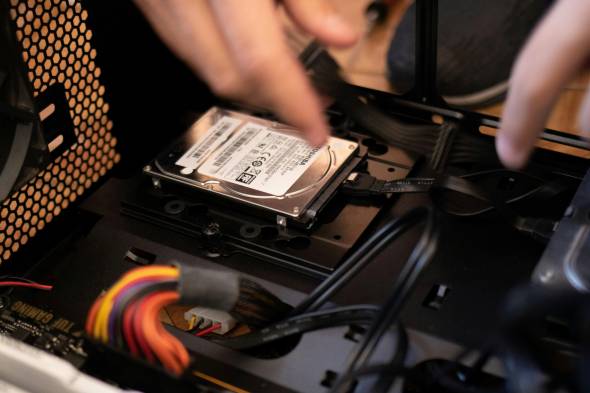
You’re finally ready to upgrade your PC. Maybe it’s slowing down during video calls, stuttering through your favorite games, or taking forever to load everyday applications. You’ve picked out a new graphics card, maybe even some extra RAM. But before you spend a dime, ask yourself this: are your new parts actually compatible with your current setup?
It’s a common mistake—one that leads to frustration and wasted money. Upgrading without knowing where your system is limited can cause more problems than it solves. That’s why many tech-savvy users now rely on a bottleneck calculator to guide their upgrade decisions. These tools evaluate how your CPU and GPU work together and help you avoid creating new performance bottlenecks.
Whether you’re gaming, editing, or just want a snappier machine, understanding your system’s strengths and weaknesses before upgrading can save time and maximize performance.
Why PC Upgrade Planning Starts with Bottleneck Analysis
Upgrading isn’t just about picking the flashiest new component. It’s about finding balance. Your CPU and GPU need to work in sync to deliver optimal results. If one outpaces the other by a wide margin, the faster component gets held back—this is the essence of a bottleneck.
The Importance of Component Compatibility
A high-end graphics card paired with an entry-level processor won’t perform at its peak. The CPU becomes a bottleneck, processing tasks too slowly for the GPU to operate efficiently. Likewise, a powerful CPU won’t do much if your GPU can’t keep up during demanding tasks like gaming or 3D rendering. That’s where checking cpu gpu compatibility early in your upgrade planning becomes critical.
What Happens When You Upgrade Without a Plan?
You might end up with inconsistent frame rates, poor multitasking performance, or even system instability. Without a proper system bottleneck test, you risk throwing money at a solution that doesn’t actually solve your problem. Worse, it could create new ones.
What Is a Bottleneck Calculator and How Does It Work?
A bottleneck calculator is a diagnostic tool that estimates the balance between your CPU and GPU. By inputting your components, it predicts whether one might be limiting the performance of the other.
A Look at the Best Bottleneck Calculator Tools
Among the most trusted tools is Will It Bottleneck, which provides quick visual insights into potential compatibility issues. Other tools might offer more in-depth benchmarking features, but for quick upgrade checks, simplicity is key.
Bottleneck Detection Tools vs Manual Checks
Manual tests require technical knowledge and time. You’ll need to monitor CPU and GPU usage during high-demand tasks and interpret the data yourself. A bottleneck detection tool automates this, giving you a reliable shortcut to the same information.
Bottleneck Calculator for Gaming vs General Use
Gamers have different needs than someone editing spreadsheets or streaming media. A gaming performance bottleneck is usually more noticeable because frame drops and lag are immediate red flags. Calculators designed with gaming in mind consider real-world FPS projections, making them a must for players upgrading systems.
How to Check Your PC for Bottlenecks Before an Upgrade
Before making a purchase, it’s smart to run a few checks.
Performing a CPU Bottleneck Check
Open your favorite performance-heavy application and watch how your CPU behaves. If usage hits 100% while the GPU coasts at 40%, your CPU is lagging behind. A bottleneck calculator can confirm this imbalance more easily.
Running a GPU Bottleneck Test
The reverse is also true. If your CPU barely breaks a sweat while the GPU maxes out, your graphics card may be the limitation. This usually impacts gaming and visual-heavy workloads the most.
How to Analyze PC Hardware Performance Effectively
Combine software monitoring tools with online calculators. Tools like MSI Afterburner let you visualize usage in real time. From there, you can use those metrics to better understand the results you see in a hardware bottleneck analysis.
Using a Bottleneck Calculator for Smart Upgrade Planning
The beauty of pre-upgrade performance check tools is that they remove the guesswork. No more wondering if that new RTX card is overkill for your four-year-old CPU.
CPU and GPU Compatibility: What to Look For
Look at clock speeds, architecture, core count, and generation. For example, pairing a current-gen GPU with a budget CPU from five years ago often leads to performance issues. Use a bottleneck calculator to simulate these setups and view projected efficiency.
Running a Pre-Upgrade Performance Check
Don’t rely on gut instinct. A calculator will give you measurable insight into where you stand now—and how different upgrades will affect performance. It’s especially useful for those planning future-proof builds.
Using Results to Optimize PC Build Decisions
The goal of any upgrade is to optimize your pc build, not simply enhance one component. A calculator helps you build a roadmap: upgrade the CPU now, then the GPU later—or vice versa—based on actual performance needs.
Avoiding Common Mistakes When Upgrading PC Components
A rushed upgrade can be a costly one. With some planning, you can avoid mismatched parts and frustrating returns.
How to Upgrade PC Without Bottlenecks
Balance is everything. Think of your PC like a team: no single player should be doing all the work. Distribute your upgrade budget accordingly. This approach ensures smoother operation and fewer performance issues down the road.
Hardware Upgrade Tips for Balanced Builds
Don’t upgrade just for the sake of upgrading. Look at benchmarks, consult forums, and use tools. If you’re a gamer, invest more in GPU power. For content creators, the CPU takes priority. Use data—not hype—to guide your decisions.
Component Compatibility Checker Best Practices
Always double-check part compatibility before hitting “buy.” Websites like PCPartPicker and manufacturer product sheets can help. Still, nothing beats a bottleneck calculator when it comes to checking how these components will work together.
Can a Bottleneck Calculator Really Optimize Your Next PC Build?
Absolutely. A bottleneck calculator isn’t just a handy tool—it’s an essential one. It empowers you to make smarter, more efficient upgrade decisions without relying on guesswork. Whether you’re chasing higher frame rates, faster render times, or simply a smoother everyday experience, using a calculator helps you align performance with purpose. Your next upgrade deserves more than just a good deal—it deserves a solid foundation. Start there. Build smarter.

The article has actually peaks my interest. I’m going to bookmark your web site and maintain checking for new information.