

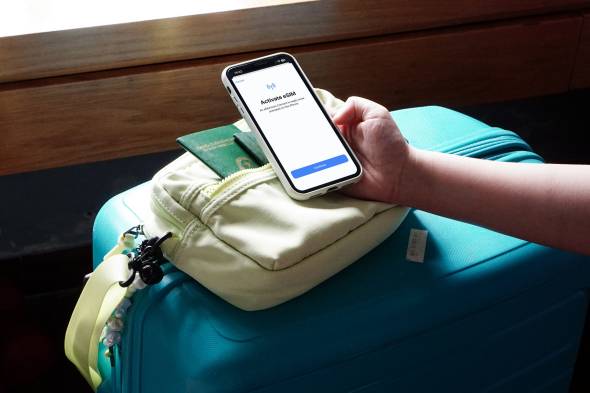
Traveling across Europe has never been easier. With open borders, efficient transportation, and digital travel tools, millions of travelers are exploring multiple European countries in a single trip. However, one challenge remains the same—staying connected without paying expensive roaming fees.
This is where eSIM technology has changed the way people travel. Instead of purchasing physical SIM cards in every country, travelers can activate a digital plan before departure and enjoy seamless connectivity throughout their journey. As eSIM adoption continues to grow in 2026, choosing the right provider has become an important part of travel planning.
Why eSIMs Are Becoming the Preferred Choice for Europe Travel
An eSIM is a digital SIM card embedded within compatible smartphones, tablets, and other devices. Unlike traditional SIM cards, it does not require physical installation. Travelers simply scan a QR code or follow a few activation steps to connect to a mobile network.
The biggest advantage of an eSIM is convenience. Whether you’re visiting France, Germany, Italy, Spain, or multiple destinations in one trip, a single eSIM plan can often provide coverage across several countries without requiring SIM swaps.
Many travelers now prefer eSIMs because they offer:
-
-
- Quick digital activation
- Multi-country coverage
- Reduced roaming costs
- Flexible data packages
- Easy management through mobile apps
- Compatibility with most modern smartphones
-
As more mobile devices support eSIM technology, demand for reliable Europe-wide plans continues to increase. Industry reports show that travelers are increasingly choosing regional eSIM plans for convenience and cost savings.
What to Look for in the Best eSIM for Europe
Not all eSIM providers offer the same experience. Before purchasing a plan, travelers should evaluate several important factors.
Coverage Across Multiple Countries
Europe consists of dozens of countries, and travelers often cross borders during a single trip. A quality eSIM should provide stable connectivity across major destinations without requiring separate plans for each country.
Reliable Network Performance
Fast mobile data is essential for navigation, booking transportation, video calls, and accessing travel information. Providers that partner with established European networks typically offer better reliability and coverage.
Flexible Data Plans
Travel needs vary significantly. Some visitors only need a few gigabytes for maps and messaging, while remote workers may require larger data packages. Flexible plans allow travelers to select the option that best fits their usage.
Easy Activation Process
A straightforward setup process can save time and frustration. Most leading providers now allow users to activate their plans through QR codes or dedicated apps before arrival.
Why Europe Travelers Are Choosing Digital Connectivity in 2026
The modern traveler depends heavily on internet access. Navigation apps, hotel bookings, translation tools, banking applications, and transportation services all require reliable connectivity.
Instead of searching for local SIM cards at airports or dealing with international roaming charges, travelers can arrive with an active eSIM ready to use.
This convenience is particularly valuable for:
-
-
- Business travelers
- Digital nomads
- Students studying abroad
- Multi-country tourists
- Remote workers
- Long-term backpackers
-
According to recent travel technology trends, eSIM adoption continues to accelerate due to its flexibility and ease of use. Many providers now offer regional plans that support travel across dozens of European destinations.
A Practical Option for Europe Travelers
When evaluating different providers, travelers often prioritize simplicity, transparent pricing, and reliable coverage.
One option gaining attention among international travelers is ZamEsims Global, which offers Europe-focused eSIM solutions designed for travelers who want a straightforward setup process and connectivity across multiple destinations. The platform emphasizes flexible plans and digital activation, making it suitable for tourists, remote workers, and business travelers exploring Europe.
As with any provider, travelers should compare available data packages, supported countries, and device compatibility before purchasing.
Tips for Using an eSIM Successfully in Europe
To get the best experience from an eSIM, consider these practical recommendations:
Check Device Compatibility
Not every smartphone supports eSIM technology. Verify compatibility before purchasing a plan.
Install Before Departure
Most providers allow installation before travel. Completing setup in advance helps ensure immediate connectivity upon arrival.
Monitor Data Usage
Streaming videos and uploading large files can consume data quickly. Tracking usage helps avoid unexpected top-ups.
Save Important Documents Offline
Download maps, travel itineraries, and reservation details before departure for added convenience.
Keep Wi-Fi as a Backup
While modern eSIMs provide reliable connectivity, hotel and airport Wi-Fi can help conserve mobile data.
The Future of Travel Connectivity
The travel industry is rapidly moving toward digital-first solutions, and eSIM technology is becoming a standard part of international travel. As network coverage expands and more devices support eSIM functionality, travelers can expect even greater convenience in the coming years.
For Europe-bound travelers in 2026, choosing the right eSIM can simplify communication, reduce costs, and eliminate many of the frustrations associated with traditional roaming services.
Final Thoughts
Finding the best eSIM for Europe in 2026 depends on your travel style, data requirements, and destinations. The ideal provider should offer broad coverage, reliable performance, flexible plans, and a smooth activation process.
As digital travel tools continue to evolve, eSIM technology is making it easier than ever to stay connected across Europe. Whether you’re visiting a single country or exploring several destinations in one trip, a well-chosen eSIM can help ensure a seamless travel experience from arrival to departure.