

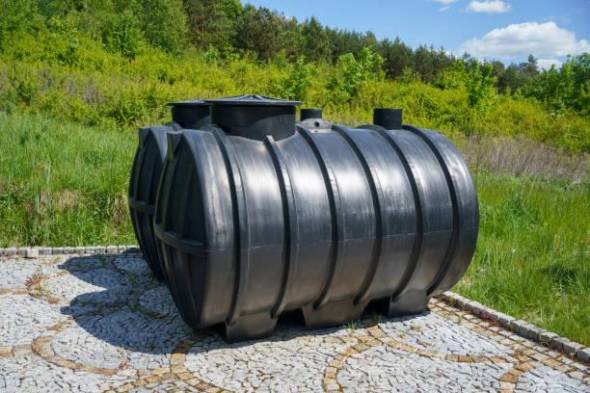
When a septic system isn’t working properly, no one is the wiser. If you experience a blocked drain, bad odor, or a soggy area of your lawn, it can become a serious problem with a high price tag. The positive side is that the majority of the issues can be prevented and addressed by following a routine. This checklist outlines the work in monthly, yearly, and longer-term tasks so you always know what to do and when.
Start With Your Pumping Schedule
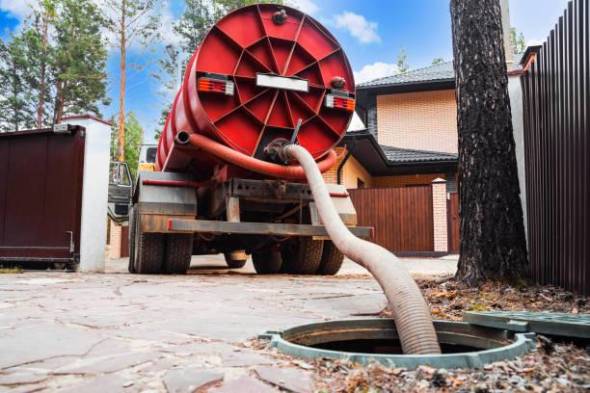
Any good maintenance plan starts with understanding when to drain your tank! Septic tank pumping removes the solid waste and sludge that build up over time, and skipping it is one of the most common causes of backups. How often you need it depends on your household size, tank size, and water use. The time between each home range is 1 to 2 years, but this can vary depending on your circumstances. Have a licensed septic contractor give you an estimated time frame and put it on the calendar.
Monthly Habits to Keep Things Running
Regular small monthly checks prevent problems. If you have a yard, walk around it and check for wet spots, ponded water, or strong odors around the tank and drainfield. Look out for sluggish drains and listen for gurgling noises in pipes. When you’re washing laundry, spread out the workload over the week rather than doing a lot of laundry in one day because the water may be overloaded. Ensure that rainwater is diverted from the drainfield by gutters and downspouts. These quick looks are of the order of minutes.
Yearly Tasks Worth Doing
Inspect the entire system once a year. Ensure the lids or manholes to the tank are in good condition, secure, and easily located. Do not store heavy objects, sheds, or vehicles above the tank. Check your water use and repair any leaks, like running toilets or dripping faucets, as they will all take a toll on the tank. If you do have one, ask your contractor how often you should have the effluent filter cleaned. It’s also the time to review your service records again.
Every Few Years: Bring in a Professional
The trained technician will be able to see things that you can’t. Have a professional inspection every few years or sooner if changes are observed. An inspector can inspect the condition of the tank, the pipes that lead into and out of it, and the effectiveness of the drainfield. Camera tools are able to identify cracks, root invasion, and obstructions in the area without extensive excavation work. A home inspection offers you peace of mind and clarity if you don’t know the type of system that may be installed in your home or if you have an older home.
What Never to Flush or Pour
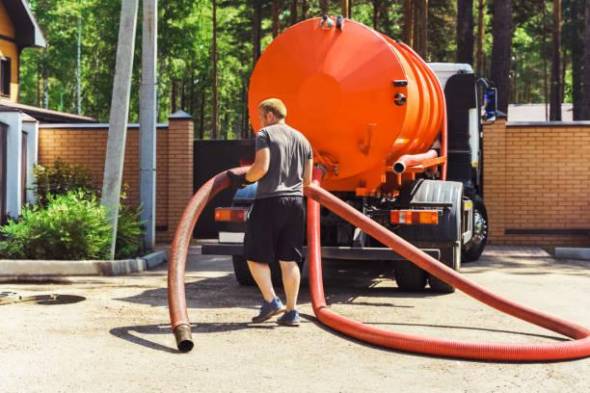
Even daily routines are important, like regular activities. Toilet only for human waste and toilet paper. Even dissolvable wipes can clog pipes and can settle in the tank. Do not put grease, cooking oil, coffee grounds, paint, solvents, or harsh chemicals in drains. Clean your tank with normal amounts of cleaning products; excessive amounts of strong cleaners can upset the beneficial bacteria in your tank. A small sign next to the toilet reminds guests of the rules.
Protect the Drainfield
The liquid that comes out of your tank is treated by the drainfield and should be treated. Do not park or drive on it, nor build structures over it. Avoid growing trees and shrubs that have aggressive roots too close by; instead, plant grass. Don’t get the area wet with sprinklers and downspouts. If the ground is spongy, or the smell is unpleasant, contact a professional as soon as possible since the problems only get bigger and more expensive by the day.
Keep Good Records
It helps to have a simple folder or notebook! Record the date of each pump-out, repairs made, tank location, and contractor used. Record a sketch of the position of the tank and lids. Having good records means your next technician can work faster, and in the event of your sale, the buyer will appreciate seeing that.
Conclusion
There’s no luck about a reliable septic system. It’s a result of good habits: understand your pumping routine, inspect your property monthly, inspect your system annually, and hire a professional every few years. Monitor the use, preserve the drainfield, and document use. Minutes well spent now can save thousands of dollars later.