

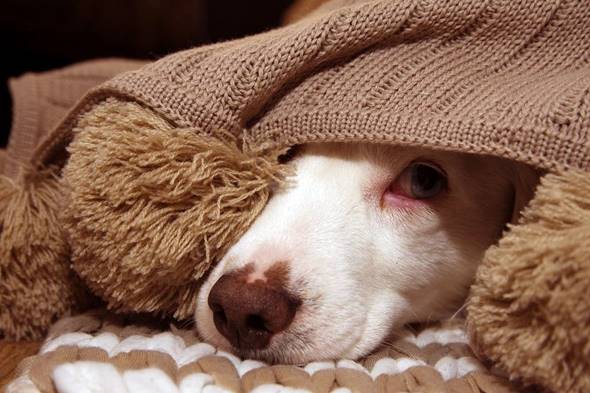
Some outings with a dog feel like effortless little adventures. You grab the leash, hop in the car, and head out with a happy passenger watching the world through the window.
Then there is grooming day.
For an anxious dog, the journey may begin with suspicious glances at the leash, continue with trembling in the parking lot, and end with a frantic attempt to retreat under the nearest chair. By the time everyone gets home, both dog and owner may feel as though they have survived a cross-country trip with no map, no air conditioning, and a flat tire somewhere outside Albuquerque.
It does not have to be that way.
The right groomers for anxious dogs understand that fear cannot be rushed away. A successful appointment may require patience, careful observation, shorter sessions, and a willingness to change the plan. The destination is still a clean, comfortable pet—but the route should be designed around the dog traveling it.
Why an Ordinary Appointment Can Feel Overwhelming
A grooming salon is full of unfamiliar sights, smells, surfaces, and sounds. There may be clippers buzzing, water running, dryers blowing, tools moving, and strangers touching areas the dog normally protects.
For a confident pet, these experiences may be mildly annoying. For an anxious or reactive dog, they can feel like one surprise after another.
Some dogs are especially sensitive about their paws. Others dislike face handling, brushing, water, or loud dryers. A pet may also associate grooming with a previous experience that was painful, rushed, or frightening.
Growling, pulling away, hiding, barking, snapping, or becoming completely still are not necessarily signs of a “bad” dog. They are often the dog’s way of saying that the situation has become too difficult.
Punishing those signals or simply holding the dog more tightly may increase fear. A thoughtful groomer pays attention before the reaction becomes a full-scale emergency.
A Good Grooming Plan Needs Room for Detours
We have all taken a trip where the original schedule lasted about twenty minutes before reality stepped in. A road was closed. The weather changed. Somebody needed an unexpected bathroom break.
Working with an anxious dog requires the same flexibility.
The first appointment may not produce the perfect haircut. It may focus on walking into the salon, meeting the groomer, exploring the table, or tolerating a few seconds of paw handling. For some dogs, that modest beginning is genuine progress.
A low-stress plan may include:
-
-
- A short introductory or acclimation visit
- Appointments during quieter salon hours
- Favorite treats brought from home
- Frequent pauses during the service
- Different handling positions
- Completing only the most important care first
- Dividing a full groom into shorter visits
-
This approach can feel slower at the beginning, but it may create a more manageable routine over time. Instead of treating every visit as an all-or-nothing event, the groomer builds familiarity one experience at a time.
What Sets Rebel Tails Apart
Rebel Tails in Morrisville, North Carolina, provides specialized grooming for anxious, reactive, and challenging dogs. The salon’s approach begins with a conversation about the individual pet rather than a standard service checklist.
Owners are encouraged to share previous experiences, known triggers, medical concerns, and behavior during and after grooming. A dog that panics during nail trims may need a different plan from one that becomes distressed by bathing or drying.
The Rebel Tails team observes breathing, eyes, tail position, muscle tension, and movement throughout the appointment. When the dog needs a break, the process slows down. If continuing becomes unsafe or excessively stressful, the session can be modified or stopped.
That decision is not treated as failure. Sometimes doing less today makes it possible to accomplish more during future visits.
A Cage-Free Setting Can Change the Experience
Waiting can be difficult for nervous dogs, especially when they are surrounded by barking animals in an unfamiliar place. Rebel Tails uses a cage-free, low-stress format designed to reduce unnecessary pressure.
The team does not rely on yelling, rough grabbing, or forcing a frightened pet through a service simply because it appears on the schedule. Groomers and assistants can work together when additional support is needed, allowing one person to monitor behavior while another concentrates on the technical grooming task.
Some dogs relax when their owner remains nearby. Others become calmer once the owner leaves. Rebel Tails evaluates this individually rather than assuming one arrangement works for every pet.
Even Nail Trims Can Become a Journey
For many families, the greatest grooming challenge is not the bath or haircut. It is touching the paws.
A dog may tuck its feet under its body, twist away, vocalize, or attempt to bite as soon as nail tools appear. In severe cases, completing one or two nails during a visit may be enough.
Patient groomers for anxious dogs can begin with brief paw touches, rewards, and immediate release. The next visit may add a few seconds of handling or introduce the sound and vibration of a grinder. Progress may happen in very small stages.
This method does not promise an overnight transformation. It creates an opportunity for the dog to learn that paw care can end without panic.
Helping Your Dog Between Appointments
Owners do not need to become professional trainers, but small habits at home can support the grooming process.
Briefly touch a paw, ear, or muzzle and offer a reward before the dog becomes uncomfortable. Practice standing on a nonslip surface. Introduce brushing in short, easy sessions instead of waiting until the coat is tangled.
Regular visits can also be easier than long gaps followed by an intensive appointment. Predictable experiences give the dog more opportunities to become familiar with the salon and its people.
For severe anxiety, pain, or aggression, owners should involve a veterinarian, qualified trainer, or veterinary behavior professional. Rebel Tails does not administer sedatives in the salon; any medication must be selected and supervised by a veterinarian.
Choosing a Better Route Forward
Finding groomers for anxious dogs is not simply about finding someone willing to finish a haircut. It is about finding professionals who recognize fear, communicate honestly, and create a realistic path forward.
Rebel Tails works with families who may have heard that their dog was too nervous, too reactive, or too difficult for another salon. Its goal is not to overpower the animal or promise an instant solution. The goal is to build a safer, more predictable grooming routine.
The first step may be an assessment, a short acclimation visit, a gentle bath, or a carefully planned nail trim. Wherever the journey begins, progress should be measured in trust—not only in inches of trimmed fur.
Grooming day may never become your dog’s favorite adventure. With patience, consistency, and the right team, however, it can become a trip that no longer fills the entire household with dread.

Pretty! This has been a really wonderful post. Many thanks for providing these details.
Very informative content, keep up the good work!
This is my first time pay a quick visit at here and i am really happy to read everthing.