

Imagine you are standing in a hotel room in Rome, Charleston, or on a cruise ship halfway to Alaska. Your day bag is packed with guidebooks, sunscreen, and a water bottle. In thirty minutes, you need to be ready for a theater curtain, an anniversary dinner, or a formal night in the ship’s dining room. You want to look polished without carrying a heavy shoulder bag through a crowded lobby.
A well-chosen clutch can solve that problem. If it is compact enough to tuck inside your day bag during transit, it can handle most dressed-up evenings on your itinerary. The key is choosing one before you leave home. This guide walks through a practical method for selecting a clutch that passes the “Fit Three” test, travels well, and keeps your essentials secure from the restaurant to the taxi line.
Key Takeaways
-
- Use the “Fit Three” test. If a clutch comfortably holds your phone, a slim cardholder with ID, and your reading glasses or a small meds case, it earns a spot in your suitcase.
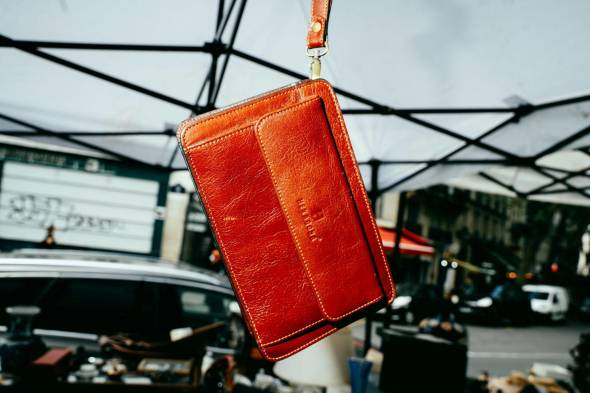
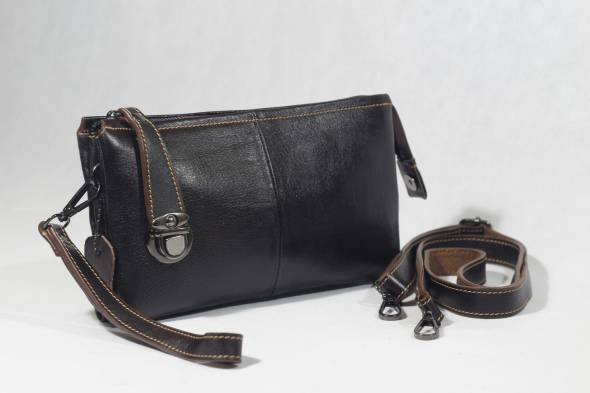
- Prioritize a secure closure and an optional strap. A top zip or secure magnetic flap protects your belongings in crowded settings, and a removable wristlet or crossbody strap frees your hands when needed.
- Choose a capsule-friendly color or finish. Black, navy, taupe, pewter, or champagne will pair with more outfits and shoes than a trendy seasonal shade.
Travel Evening Bag Essentials
Before you shop for a clutch, decide what actually needs to fit inside it. Most travelers carry the same core items every evening, regardless of the destination.
Here is a realistic checklist of travel evening bag essentials for a typical night out:
-
- Phone, which may also be your camera, map, and ride-hailing tool
- Slim wallet or cardholder with one payment card, a backup card, and your ID
- Hotel key card
- Reading glasses or a small prescription-meds case
- A few tissues and a lip balm or compact
- Travel-size hand sanitizer, if you carry one (under 3.4 oz / 100 ml to stay within TSA’s 3-1-1 liquids rule when flying with it in a carry-on; check tsa.gov for current allowances)
- A slim mini power bank for your phone
Power banks need special care when you fly. The FAA requires spare lithium-ion batteries and portable chargers to travel in carry-on luggage only, never in a checked bag. A slim power bank that fits in a clutch can be useful on long evenings when maps, photos, and ride apps drain your phone.
Tailor the list to your trip type. On a cruise, you may swap the hotel key for a cruise card. At a beach resort, you might add a thin shawl clip. In a city, you may want a transit card. The core items stay the same.
Size and Structure: How to Know It Will Fit
The most common clutch-buying mistake is guessing at size. A five-minute test at home can prevent frustration on the road.
The paper-template method: Cut a piece of paper or cardboard to the interior dimensions of any clutch you are considering. Stack your “Fit Three” items, phone, payment setup, and reading glasses or meds, on top. If they sit within the outline with a little room left for tissues and lip balm, the clutch will work. If items hang over the edges, move on.
A standard U.S. passport book is roughly 5 x 3.5 inches. A credit or debit card follows the ISO/IEC 7810 ID-1 format at about 3.37 x 2.13 inches. Use these as reference points when evaluating interior space.
Gussets matter. A clutch with side gussets, the folded panels that let it expand, holds more than a flat envelope style of the same width. Structured clutches keep their shape and make it easier to find items quickly. Soft pouches pack flatter but can feel disorganized when you are searching for a key card in dim lighting.
Closure types: A top zip is the safest option for crowded transit, busy restaurant lobbies, and open-air venues. Magnetic snaps look clean but can pop open if the bag is squeezed in a crowd. Fold-over flaps with a hidden magnet strike a useful middle ground.
Straps, Wristlets, and Hands-Free Comfort
How you carry a clutch matters as much as what fits inside it, especially after a long day of sightseeing.
Handheld only: Classic and formal, but it ties up one hand. It works for a short dinner and is less ideal for cobblestones, stairs, or holding a railing on a ship.
Wristlet loop: A small strap slips over your wrist. It frees your fingers for a glass of wine, a handrail, or your phone while keeping the clutch close. Look for a comfortable loop width if you have sensitive wrists.
Detachable crossbody micro-strap: This is the most versatile option. Clip it on for the walk to the venue, then remove it once you are seated. If you have shoulder or arthritis concerns, choose a flat strap with an easy-release clasp rather than a tiny lobster-claw clasp that requires pinching.
When packing, remove any detachable hardware and tuck it in a small pouch. This prevents scratches on other items in your suitcase and reduces bulk.
Materials and Craftsmanship: When to Invest
The material you choose affects how long the clutch lasts, how it handles weather, and how formal it looks.
Leather: Durable, polished, and suitable for most evening settings. It is heavier than many fabric alternatives and can be sensitive to rain or humidity. A smooth leather clutch in black or navy is one of the most versatile choices for evening travel.
Coated canvas or nylon: Lighter, more weather-resistant, and often easier to clean. Some coated options look refined enough for dinner while still being practical for tropical or rainy-season trips.
Dressy fabrics, such as satin, velvet, or beading: Elegant for formal events but more delicate. Satin shows water spots easily, and velvet picks up lint. Reserve these for trips where you know the setting will be indoors and controlled.
For travelers comparing dressier options, a clutch purse for ladies from Longchamp is one example of a polished style that can work with a simple capsule wardrobe. The broader lesson is to look for clean lines, sturdy hardware, and a finish you can care for on the road.
Color Strategy for Day-to-Night
A capsule-wardrobe approach works just as well for accessories as it does for clothing. The goal is one clutch that coordinates with at least two evening outfits and your daytime jacket or wrap.
The safest picks for broad compatibility include:
-
- Black: Matches nearly everything, hides scuffs, and reads as formal without trying too hard.
- Navy: A softer alternative to black that pairs well with both warm and cool palettes.
- Taupe or warm gray: Works especially well with earth tones, white, and blush.
- Soft metallic, such as pewter or champagne: Adds a subtle evening feel without looking costume-like and works as a neutral with many colors.
Before you pack, hold the clutch next to two evening outfits and your favorite travel jacket. If it looks at home with all three, it has earned its suitcase space.
Security and Peace of Mind
A clutch is small, which is the point. But small also means it is easy to set down and forget, or easy for someone else to grab in a crowded space.
These habits help:
-
- When walking through busy streets, metros, or event crowds, wear the clutch crossbody, if it has a strap, with the zipper facing your body.
- At a restaurant or bar, keep it on your lap or between your feet, not on the back of a chair or on a bar top.
- In a theater, tuck it under your thigh or in the seat pocket if one exists.
RFID-blocking sleeves or wallets are widely marketed for travel, but the real-world risk of contactless card skimming is debated. The FTC offers guidance on credit and debit card security at ftc.gov. An RFID sleeve is inexpensive and lightweight, so it may be a low-cost precaution if it gives you peace of mind, but it is not a necessity.
If your evening plans include a stadium, arena, or large venue, check the bag-size policy before you go. Many U.S. stadiums follow a clear-bag policy and allow only a small clutch, often around 4.5 x 6.5 inches, alongside a clear tote. Rules vary by venue, so confirm directly on the venue’s website.
Pack and Care on the Road
Getting your clutch to the destination in good shape takes a little planning.
-
- Use a soft pouch or dust bag. Most quality clutches come with one. If yours did not, a pillowcase or microfiber cloth works.
- Fill the interior with a lightweight scarf or tissue paper to help the clutch hold its shape during transit.
- Position it vertically in your suitcase, tucked between folded clothes so the corners are cushioned.
- Avoid overstuffing it with coins or heavy keychains that can stretch the lining or distort the frame.
Care depends on the material. Leather usually benefits from a quick wipe with a damp cloth and air drying. Nylon can handle a gentle scrub. Satin and velvet are trickier and may need professional attention for stains. Keep the clutch away from direct sunscreen application and open beverages, and let it air out overnight after each use.
Sample Loadouts
Here are three realistic “what’s inside” lists for common travel-evening scenarios, each sized to fit a compact clutch.
City Theater Night
-
-
- Phone
- One credit card, ID, and a folded bill as backup cash
- Hotel key card
- Reading glasses in a slim case
- Tissue packet and lip balm
- Mini power bank with a slim profile
-
Tip: leave the bulky playbill in your coat pocket, not your clutch.
Cruise Formal Dinner
-
-
- Phone
- Cruise card, which usually acts as your room key and onboard charge card
- Compact mirror and lipstick or tinted balm
- Small meds case with antacid or pain reliever
- Tissues
-
Tip: you usually will not need cash or a power bank for most onboard dinners. Lighten the load.
Beach Resort Dinner
-
-
- Phone
- One card, ID, and a small amount of local currency
- Room key
- Mini sanitizer
- Lip balm with SPF
- Thin shawl clip if the restaurant is air-conditioned
-
Tip: stash fold-flat ballet flats in your day bag for the walk home if you wore heels to dinner.
Bringing It All Together
Choosing a travel clutch does not need to be complicated. Start with the “Fit Three” test: phone, payment, and reading glasses or meds. If those fit comfortably, you are most of the way there. Add a secure closure, pick a capsule-neutral color, and choose a material that matches your typical travel climate.
Before buying anything new, check your closet. You may already own a clutch that passes every test. If it does not quite work, you now know exactly what to look for in an upgrade, and you will only need one.