

Choosing the right fishing charter in Islamorada starts with understanding the type of fishing you want to do, what the trip includes, and whether the captain can meet your expectations.
Islamorada is a village in the Florida Keys known for its fishing culture, beautiful coastal waters, and access to both shallow flats and deeper offshore fishing grounds. Anglers visit the area to target different species throughout the year, making it important to select a trip that suits their interests and experience.
If you are researching how to choose an Islamorada fishing charter, asking a few important questions before booking can help you plan a more enjoyable day on the water.
1. What Type of Fishing Does the Charter Offer?
Not every fishing charter provides the same experience. Some specialize in inshore fishing across shallow flats and backcountry waters, while others focus on offshore trips where anglers can target species in deeper water.
Your preferred fishing style should guide your choice. Inshore trips may appeal to anglers who want to explore calmer waters and target species such as bonefish or redfish, depending on the location and conditions. Offshore trips may offer opportunities to pursue mahi-mahi, tuna, or other pelagic species when seasonal conditions are suitable.
Ask the captain which fishing methods are available and what species are commonly targeted during your planned visit. This helps you choose a trip that matches your interests instead of booking an experience that may not meet your expectations.
2. What Is Included in the Price?
Before confirming a reservation, find out exactly what the charter fee covers. Many fishing trips include the boat, captain, fishing equipment, bait, and tackle, but the details vary by operator.
You should also ask whether fishing licenses are included or need to be arranged separately. Other possible expenses include gratuities, food, drinks, fuel surcharges, or fish cleaning services.
Understanding the full cost upfront makes it easier to compare options fairly. Request a clear explanation of any additional fees so you know what to expect on the day of your trip.
3. How Experienced Is the Captain?
A captain’s experience can influence the quality and safety of your fishing trip. Ask how long they have operated in the Islamorada area, which fishing techniques they specialize in, and whether they regularly take beginners or families out on the water.
Local knowledge is particularly useful because fishing conditions can change with tides, weather, water clarity, and seasonal fish movement. An experienced captain can adjust the plan when conditions change and explain techniques that help anglers get more from the trip.
If you are new to fishing, look for a captain who is comfortable teaching basic skills. Experienced anglers may prefer someone familiar with advanced techniques or specific target species.
4. What Type of Boat Will You Use?
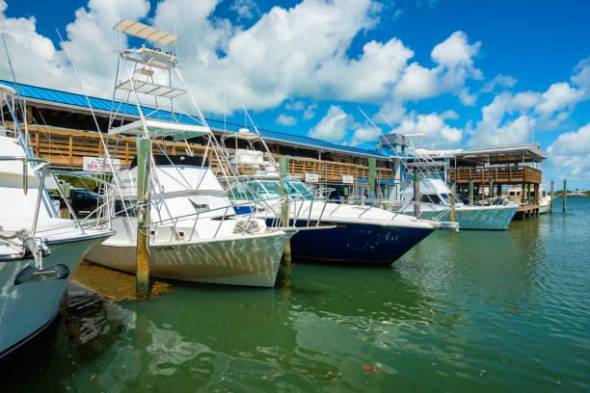
The boat affects your comfort, available fishing space, and access to different waters. Smaller boats may be suitable for shallow flats and backcountry fishing, while larger offshore vessels are designed for longer journeys into deeper water.
Ask about the boat’s capacity, seating, shade, restroom availability, and safety equipment. If you are traveling with children, older adults, or someone who has mobility concerns, discuss their needs before booking.
The right boat should fit the planned trip and the size of your group. Avoid choosing a charter based on price alone without checking whether the vessel is appropriate for your fishing plans.
5. What Happens if the Weather Changes?
Weather conditions are especially important when planning a fishing trip in the Florida Keys. Wind, rain, lightning, and rough seas can affect where a captain can safely operate and whether the trip should proceed.
Ask about the charter’s cancellation, rescheduling, and refund policies before paying a deposit. Find out who makes the final decision if conditions become unsafe and how you will be notified about changes.
A clear weather policy helps prevent confusion and gives you a backup plan if your original trip cannot go ahead.
Key Takeaways
-
-
Ask whether the charter focuses on inshore, backcountry, or offshore fishing.
-
Confirm what the booking fee includes and whether additional costs apply.
-
Check the captain’s local experience and ability to accommodate your skill level.
-
Choose a boat suited to your group size, comfort needs, and planned fishing location.
-
Understand the weather, cancellation, and rescheduling policies before paying.
-
Confirm the meeting point, trip duration, and recommended items to bring.
-