

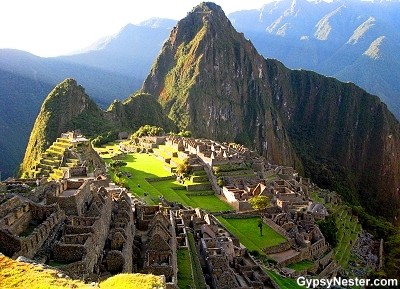
Ten days sounds like a reasonable number when you’re staring at a map of Peru, but it evaporates fast once you factor in altitude adjustment, the distance between regions, and the reality that Machu Picchu alone eats up a full day even if you’re efficient about it. Most travelers underestimate how spread out the country’s highlights actually are. Cusco, the Sacred Valley, the Amazon, and the coast aren’t quick hops from one another, and treating Peru like a weekend-city-break destination usually backfires.
Why Trip Length Depends on Your Priorities
Peru rewards travelers who pick a focus rather than trying to see everything. Someone chasing the classic Inca Trail experience needs a different itinerary than someone prioritizing Amazon wildlife or coastal food tours in Lima. Before settling on a number of days, decide whether this trip is about hiking, history, wildlife, or some combination — because that choice changes everything downstream, from flights to altitude acclimatization.
A trip built around Cusco and Machu Picchu alone can work in 6 to 7 days. Add the Amazon rainforest or the Lake Titicaca region, and you’re realistically looking at 12 to 14 days. Try to do all three regions plus Lima and you should budget closer to 16 days, or accept that some stops will feel rushed.
The Minimum for Machu Picchu and Cusco
Seven days is the practical floor for a trip centered on Cusco, the Sacred Valley, and Machu Picchu. That breaks down roughly as: one day arriving and adjusting to altitude in Cusco (11,152 feet), two days exploring the Sacred Valley towns of Pisac and Ollantaytambo, one day for the train to Aguas Calientes and Machu Picchu itself, and a buffer day for weather delays or train schedule changes, which happen more often than guidebooks admit.
Skipping the altitude adjustment day is the most common mistake. Cusco sits high enough that headaches, nausea, and fatigue hit even fit travelers within the first 24 hours. Flying in from Lima and heading straight to a hike is a fast way to ruin the first half of a trip.
Why the Inca Trail Adds Extra Days
If hiking the actual Inca Trail rather than taking the train is the goal, add at least 4 to 5 days to the itinerary. The classic trek runs 4 days and 3 nights, permits must be booked months in advance (often 5-6 months for peak season), and there’s usually a rest day built in before starting given the elevation gain, which tops out near 13,828 feet at Dead Woman’s Pass.
Alternative treks like Salkantay or Lares take similar amounts of time and offer more availability if Inca Trail permits sell out, which they frequently do between May and September. Either route turns a 7-day Cusco trip into an 11 or 12-day commitment.
Fitting in the Amazon Rainforest
The Peruvian Amazon deserves its own block of time, not a rushed add-on. Getting to a lodge near Puerto Maldonado or Iquitos takes a flight plus a boat ride, meaning a single day trip is nearly impossible to do well. Budget a minimum of 3 full days, which allows for arrival, one full day of jungle activity, and a departure day.
Four or five days is better if the goal is actually spotting wildlife, since animals in the rainforest don’t operate on tourist schedules and multiple dawn and dusk excursions increase the odds of seeing macaws, caimans, or monkeys. Combining the Amazon with Cusco pushes a trip to at least 12 days once flights and transitions are factored in.
Adding Lake Titicaca and the South
Lake Titicaca, the floating Uros Islands, and the city of Puno add another 2 to 3 days, typically slotted in after Cusco since there’s a direct bus or train route between the two. The train, run by PeruRail, takes about 10 hours and is scenic enough to count as an activity rather than dead travel time.
Travelers who want the fuller southern circuit — Lima, Cusco, Sacred Valley, Machu Picchu, and Titicaca — should plan for 13 to 15 days minimum. This is also the point where working with an outfitter starts to pay off, since coordinating trains, permits, and regional flights independently takes real planning time. A number of companies run some of the best Peru adventure tours specifically built around this longer southern route, bundling the logistics so travelers aren’t booking six separate segments themselves.
What a Realistic Two-Week Trip Looks Like
For travelers with 14 days, a workable structure looks like: 2 days in Lima, 2 days acclimatizing and exploring Cusco, 2 days in the Sacred Valley, 2 days for Machu Picchu and travel back, 3 days in the Amazon, and 3 days around Puno and Lake Titicaca. This pace allows for actual rest rather than back-to-back travel days, and it leaves room for delays, which are common with mountain weather and rural transport.
Planning Around What You Actually Have
Anyone with less than 7 days should narrow the trip to Lima and Cusco only, skip the Amazon entirely, and accept seeing Machu Picchu via train rather than trekking. Trying to cram in more just means spending vacation days in transit instead of experiencing anything. The honest answer to how many days Peru needs is: 7 as an absolute minimum, 10 to 12 for a satisfying single-region-plus-extra trip, and 14 to 16 if the Amazon and Titicaca are both on the list. Build backward from what matters most, not forward from an arbitrary number of vacation days.