

Ketchikan sits on the southern tip of Alaska’s Inside Passage, and it packs a lot into a town of roughly 8,100 people. Rain gear, salmon runs, totem poles, and floatplanes are all part of daily life here, and visitors who show up unprepared often miss what makes the place worth the trip. Whether arriving by cruise ship or ferry, a little planning changes the experience from rushed to genuinely memorable.
Pack for Rain, Not Just Cold
Ketchikan averages over 140 inches of rain a year, making it one of the wettest cities in the United States. Temperatures in summer typically hover between 50 and 65 degrees Fahrenheit, so cold isn’t usually the issue — staying dry is. Bring a waterproof jacket rather than a heavy coat, and pack quick-dry layers underneath so you’re not stuck in soggy cotton for the rest of the day.
Sturdy waterproof shoes or boots matter more than fashion here. Wooden boardwalks, wet docks, and muddy trailheads are common, and flip-flops or canvas sneakers will leave you miserable within an hour. A small dry bag for phones and cameras is worth the extra ounce in your daypack.
Time Your Visit Around Cruise Ship Schedules
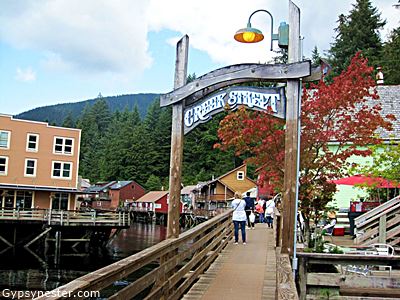
Ketchikan’s downtown can go from quiet to packed with several thousand people within an hour, depending on how many cruise ships are docked. Checking the daily ship schedule, usually posted online by the port authority or local visitor centers, helps you plan around the busiest windows. Arriving at popular sites like Creek Street or the Totem Heritage Center early in the morning or later in the afternoon often means smaller crowds and better photos.
If flexibility allows, visiting during shoulder months like May or September can mean fewer ships in port overall. Fall also brings salmon runs at Ketchikan Creek, where you can watch fish leap the falls right in the middle of town.
Book Excursions Before You Arrive
Popular activities like the Misty Fjords flightseeing tours, zip-lining through the rainforest canopy, and salmon fishing charters fill up quickly, especially during peak cruise season from June through August. Booking a week or more in advance, rather than waiting until you’re in port, gives you far more options and often better pricing. Walk-up availability exists but tends to be limited to less popular time slots or smaller operators.
For travelers who want more flexibility than a group excursion allows, private tours of Ketchikan offer a way to set your own pace, choose specific stops like Saxman Native Village or George Inlet, and skip the standardized itinerary that comes with larger bus tours. This option works particularly well for families or small groups who want a guide’s local knowledge without the crowd logistics.
Bring Cash for Small Vendors and Tips
Many smaller shops, food carts, and independent guides in Ketchikan still operate on a cash-preferred basis, particularly outside the main cruise terminal area. While larger stores and restaurants accept cards, having some cash on hand avoids awkward situations at places like the fish market stalls near Creek Street. Tipping for fishing guides, wildlife tour operators, and shuttle drivers is customary, generally in the 15 to 20 percent range, similar to mainland service norms.
ATMs exist downtown but can have lines during peak ship hours, so withdrawing cash before your trip or early in the day saves time later.
Learn the Basics of Local Wildlife Etiquette
Black bears are commonly spotted near Ketchikan Creek during salmon season, particularly July through September, and they’re accustomed to human presence but not to being approached. Keeping a distance of at least 100 yards, not feeding wildlife, and staying on marked paths at viewing areas like the Ketchikan Creek boardwalk are basic rules that protect both visitors and animals. Bald eagles are also everywhere, often perched on light poles or docks, and while they’re less dangerous, getting too close can still disturb nesting behavior.
If a bear tour or wildlife viewing excursion is part of your plans, listen closely to the guide’s instructions rather than treating it like a casual photo opportunity. Local guides know current animal behavior patterns that change from week to week based on salmon activity.
Explore Beyond the Downtown Waterfront
The cruise ship dock area, with its jewelry shops and souvenir stores, represents only a small slice of what Ketchikan offers. The Tongass Historical Museum, Deer Mountain trailhead, and the Southeast Alaska Discovery Center all sit within walking distance but see a fraction of the foot traffic. Renting a car or bike for a few hours opens up viewpoints and quieter neighborhoods that most day-trippers never see.
Check Ferry and Floatplane Schedules Carefully
Getting around Ketchikan and its surrounding islands often means relying on the Alaska Marine Highway ferry system or floatplane charters, both of which run on limited daily schedules that can shift with weather. Confirming departure times a day ahead, rather than assuming a fixed schedule, prevents missed connections. Floatplanes in particular can be delayed or canceled due to fog, so building a buffer day into your itinerary is a smart move if a specific excursion matters to you.
Ketchikan rewards visitors who plan a little ahead but stay flexible once they arrive. The town’s weather, wildlife, and transportation all operate on their own rhythm, and travelers who work with that rhythm instead of fighting it tend to leave with better stories and drier socks.