

Travel has a way of changing your plans. A quick trip can turn into a six month adventure. A remote work escape can become a year abroad. In those moments, one practical question comes up fast: what should you do with your belongings while you are gone?
Long term storage matters because your things still need protection even when life is on pause at home. Furniture, documents, seasonal gear, business supplies, family keepsakes, and hobby equipment all need a safe place to stay until you return. The right storage option can save money, reduce stress, and make coming home much easier.
Here are five strong long term storage options for travelers, including the pros, the limits, and the kind of traveler each one fits best.
1. Self Storage Units for Flexibility and Convenience
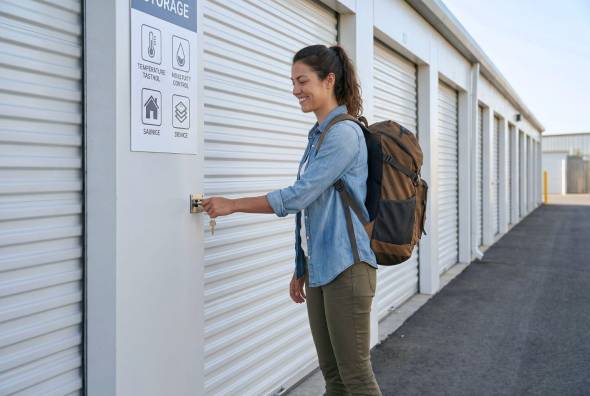
A traditional self storage unit is one of the most common choices for long term travel, and for good reason. These facilities are easy to find in most cities, and they usually offer a range of sizes that work for anything from a few boxes to the contents of a full house.
For travelers, convenience is the biggest advantage. Many self storage businesses offer month to month plans, security gates, camera systems, and easy online billing. If your trip gets extended, you can usually keep your unit without much effort. If a friend or family member needs to stop by and grab something for you, many facilities make access simple.
The main downside is ongoing cost. Over a long period, monthly rent can add up. Prices also rise quickly if you need climate control or a larger unit. Still, for many travelers, the peace of mind is worth it. A clean, secure storage unit can be a reliable home for your belongings while you explore the world.
2. Climate Controlled Storage for Valuable or Sensitive Items
Some items need more than just a locked room. Electronics, artwork, musical instruments, important papers, leather goods, antiques, and certain fabrics can all suffer from moisture, temperature swings, or excessive heat. In that case, climate controlled storage is often the smartest path.
This type of storage keeps the interior environment far more stable than a basic storage unit. That matters if you plan to be gone for many months or even years. Heat can warp wood, humidity can invite mold, and cold can damage delicate materials. A stable indoor setting helps prevent those problems before they start.
The tradeoff is price. Climate controlled units usually cost more than standard units, sometimes much more depending on the market. They may also have stricter access hours. Even so, if your storage includes things you cannot easily replace, the added protection can make this option a smart investment.
Climate controlled storage is ideal for travelers who are leaving behind possessions with high financial or sentimental value.
3 Portable Storage Containers for Door to Door Simplicity
Portable storage containers have become popular with travelers who want convenience without a lot of moving parts. The basic idea is simple. A company drops a container at your home, you load it at your pace, and then the company transports it to a storage facility or another destination.
This setup is especially useful if you are preparing for a long trip while also dealing with a move, home renovation, or lease change. Instead of renting a truck, loading everything in one day, and rushing to a storage location, you can pack more gradually. That makes the process far less stressful.
Portable storage containers are a strong fit for families, busy professionals, and anyone who wants to avoid hauling furniture across town. They also reduce the number of times your belongings get handled, which can lower the chance of damage.
The main drawback is cost. Delivery, pickup, transportation, and long term storage fees can add up. Access may also be less immediate than with a self storage unit, since your container may be kept at an off site facility.
4. Shipping Containers for Large Scale or Outdoor Storage Needs
For travelers with a lot to store, a shipping container can be a surprisingly practical long term solution. This option makes sense for people with access to private property, a business yard, or a rural location where a container can sit safely for an extended period.
Shipping containers are durable, spacious, and built to handle rough conditions. They can hold furniture, tools, recreational equipment, business inventory, and household items with room to spare. A 20 foot shipping container is often a strong middle ground because it offers serious capacity without taking up as much space as a larger model.
This option can work well for long term travelers who need to store bulky belongings that would be expensive to place in multiple storage units. It is also useful for people who want their items nearby instead of stored at a commercial facility across town.
There are a few important things to think through. Containers are secure and weather resistant, but temperature swings inside can be intense if the unit is left in direct sun or cold weather. That is why details like ventilation and shipping container insulation can matter if you are storing items that are sensitive to heat, moisture, or condensation.
5. Trusted Family Property or a Private Garage for Low Cost Storage
Not every good storage option comes from a company. For some travelers, the best answer is much simpler: using space at a trusted family member’s home, a friend’s garage, or another private property arrangement.
This can be one of the most affordable long term storage options available. If someone you trust has a clean basement, spare room, workshop, barn, or detached garage, you may be able to store your belongings for little cost or none at all. That can free up travel funds for flights, housing, or emergencies on the road.
This option works best when the relationship is strong and the expectations are clear. It helps to organize your items carefully, label everything, and keep an inventory list. Good bins, furniture covers, pallets, and moisture protection can make a big difference in keeping items safe.
The biggest risk is inconsistency. Private spaces may not offer the same security, climate protection, or insurance options as a commercial facility. Access can also become awkward over time if the arrangement drags on longer than expected. For that reason, clear communication matters from the start.
Choosing the Right Storage Option for Your Trip
The best long term storage option for travelers depends on one simple question: what matters most to you while you are away? If you want flexibility and easy access, self storage may be the answer. If you are protecting valuable items, climate control may be worth the extra cost.
If convenience is everything, portable containers stand out. If you have a lot to store and the right space, a shipping container can be a strong solution. If your budget is tight, trusted private storage may work just fine.
Before making a decision, think about your timeline, your budget, your local climate, and the value of the items you plan to store. A little planning now can save you from stress, damage, and unnecessary expense later.

I appreciate you sharing this blog post. Thanks Again.