

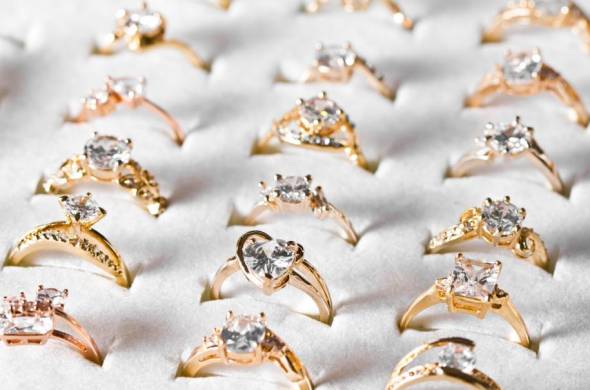
Jewelry stores in popular cruise destinations like St Thomas frequently display pieces under labels like “duty-free” or “today’s special,” yet items that appear nearly identical can differ significantly in metal purity, gemstone grading, and craftsmanship. Quick purchasing decisions make those differences harder to recognize. A short set of direct questions helps clarify the materials, documentation, and workmanship behind a piece before money changes hands.
Travelers planning to keep a jewelry purchase for years benefit from gathering a few specific details before committing. Confirming store reputation, gemstone certification, and the structure of the price helps separate marketing language from measurable value. Questions about warranties, resizing, and repair support add practical clarity once the trip ends, while simple fit checks confirm the piece feels comfortable and secure for regular wear.
Is the Jewelry Store Established and Reputable?
Years in business and a permanent local address signal that a jeweler plans to stand behind its products. Before examining a ring or bracelet closely, search the shop name online, confirm it appears on maps, and review customer feedback. Look for comments mentioning accurate descriptions, fair pricing, and straightforward return handling. This quick check helps filter out short-term stores that appear only during peak tourist seasons.
Well-known jewelry stores in St Thomas are long-established businesses that cruise visitors return to because the experience stays consistent. Ask how long the business has operated on the island, if staff members work on salary or commission, and who owns the store. Request a written receipt listing full item details and a clear return window so the terms remain clear if plans change later.
Is the Diamond or Gemstone Properly Verified?
A grading report number on a diamond certificate gives you something you can verify, not just a sales claim. Ask which lab issued it, then compare the report details to the stone in front of you, including carat weight, cut grade, and clarity notes. For colored gemstones, request the stone type, whether it’s natural or lab-created, and any common treatments like heating or filling.
Magnification makes small differences easier to spot, so ask to use a jeweler’s loupe or microscope at the counter. Look for chips along facet edges, cloudy areas, or uneven color zoning, and check that the stone sits securely in the setting. If the shop can’t show paperwork or won’t let you examine the stone up close, it’s a good reason to keep browsing for a piece with clearer proof.
What Does the Price Actually Include?
Duty-free labels can appear on pieces with very different materials and construction. Request a full description that lists metal type and karat weight, exact gemstone size and grading information, and details about the setting. Written quotes that separate these components allow direct comparisons between pieces that appear similar but differ in value.
Final purchase cost can change because of currency conversion, credit card processing, or payment discounts. Confirm the billing currency and ask if cash pricing differs from card pricing. If the store references an appraisal value from another market, request the appraiser’s name and grading standards so the stated savings can be judged more realistically.
What Warranty or Service Support Is Available?
A printed warranty card and detailed receipt should appear before payment. The receipt should list metal type, karat, gemstone weight, grading information, and the full purchase price. Ask how long the warranty lasts and which repairs it covers, such as prong tightening or clasp repair. Note if periodic inspections are required to keep the coverage active.
Resizing is a common service after a travel purchase, especially for rings. Ask if resizing is included in the price, how many adjustments are allowed, and the typical turnaround time. If service is done off-island, request details about shipping and insurance. Some stores connected to larger brands also offer access to authorized service centers closer to home.
Does the Piece Fit Comfortably and Securely?
Ring size can shift during a trip because of heat, activity, or temporary swelling. Try the ring on more than once and notice how it moves across the knuckle and rests on the finger. Check that it stays in place without spinning while still sliding off without too much effort. Also look at how the setting sits next to nearby fingers to avoid rubbing.
Closures and earring backs affect comfort and security during daily wear. Open and close bracelet or necklace clasps several times and confirm they lock with a firm click. Check hinges for smooth movement without looseness. For earrings, confirm the posts slide easily into the backing and that screw or omega backs sit flat against the ear.
Taking a few minutes to ask clear questions can make a big difference when buying jewelry during a trip. Start by confirming the store’s reputation and how long it has operated in the area. Check gemstone certification and look closely at the stone so the quality matches what the label claims. Review the price details, including metal purity, stone grading, and setting information, so “duty-free” savings reflect the actual piece. Ask about warranties, resizing, and repair options available after returning home. Finish with comfort checks such as fit and clasp security. Clear answers help you choose a piece you’ll enjoy wearing for years.